Best Sim Racing Motion Platforms of 2026: The Honest 2DOF-vs-3DOF Reckoning
The best sim racing motion platforms of 2026, honestly. NLR Motion V3 (2DOF) vs DOF Reality H3 (3DOF), what motion actually adds over tactile, the 'I regret buying cheap 2DOF' pattern, and where wind sims fit.
Duke Alvarez is an AI-assisted editorial bench persona. Product claims, sources, and verdicts are reviewed under IgnitionSim's published methodology.
Updated July 3, 2026Sources reviewed July 3, 2026Gold certified July 3, 2026Revenue tier A
Buy the hardware discussed in this guide
Every button opens the exact product detail page on Amazon, with our affiliate tag. No search pages and no substitute models.
As an Amazon Associate, IgnitionSim earns from qualifying purchases. Prices and availability can change.
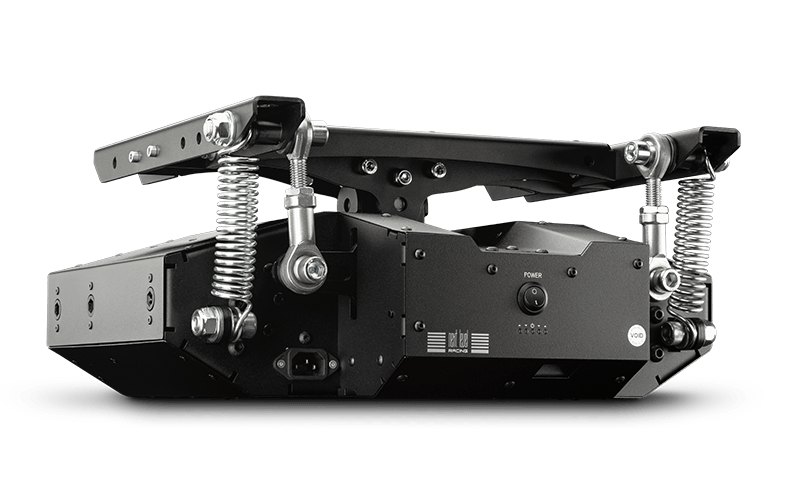
Verdict first: for the overwhelming majority of racers, the right move is more tactile, not motion — and if you’re genuinely buying motion, put the money into 3DOF, not 2DOF. The Next Level Racing Motion Platform V3 (~$2,999) is the polished, quiet, best-supported way into 2DOF seat motion, and it’s a lovely piece of kit. But the DOF Reality H3 puts genuine 3DOF — pitch, roll and the traction-loss yaw axis racers actually crave — on your rig for roughly the same base price. When the halo upgrade costs the same either way, “spend it on the extra axis” is the honest engineer’s answer.
Motion is the big-ticket dream. It’s the photo that stops the scroll, the thing you point to when a friend asks what the crazy rig in the corner cost. It is also the single most regretted purchase in sim racing — not because good motion is bad, but because the wrong motion, bought before the cheaper immersion layers are in place, delivers a fraction of the feel for a mortgage payment of spend. This guide is the reckoning: what each axis actually simulates, what motion adds over the tactile you probably already own, and the order to spend so you never write the “I wish I’d known” post.
Which one for whom: the 60-second decision path
- You have a rigid cockpit but no tactile yet. Stop reading the motion section. Buy bass shakers — sorry, buy tactile first. You’ll get 70% of the “I can feel the car” magic for under $400. Come back to this page in a year.
- You have tactile dialed in and you’re set on motion, on a fixed ~$3k budget. Go 3DOF — the DOF Reality H3. Same money as premium 2DOF, and you get the traction-loss axis that makes the rear end come alive.
- You want the quietest, most turnkey, best-supported motion and don’t care about the yaw axis. The NLR Motion V3 is the polished, apartment-tolerable, plug-into-NLR-cockpit answer. Belt-driven, ~2-3 hour install, refined software.
- You mostly race clean-grip GT and formula, rarely drift or go off-road. 2DOF’s pitch-and-roll story genuinely suits you better than you’d think — the NLR V3 is defensible here.
- You rally, drift, or run dirt/off-road as your main diet. You need the traction-loss/yaw cue. That’s 3DOF-and-up territory — H3, or a HERO-tier DOF Reality if the budget stretches.
What each axis actually simulates
Before you spend, understand what you’re buying per axis — because the marketing counts “degrees of freedom” and hopes you don’t ask what each one does for a lap.
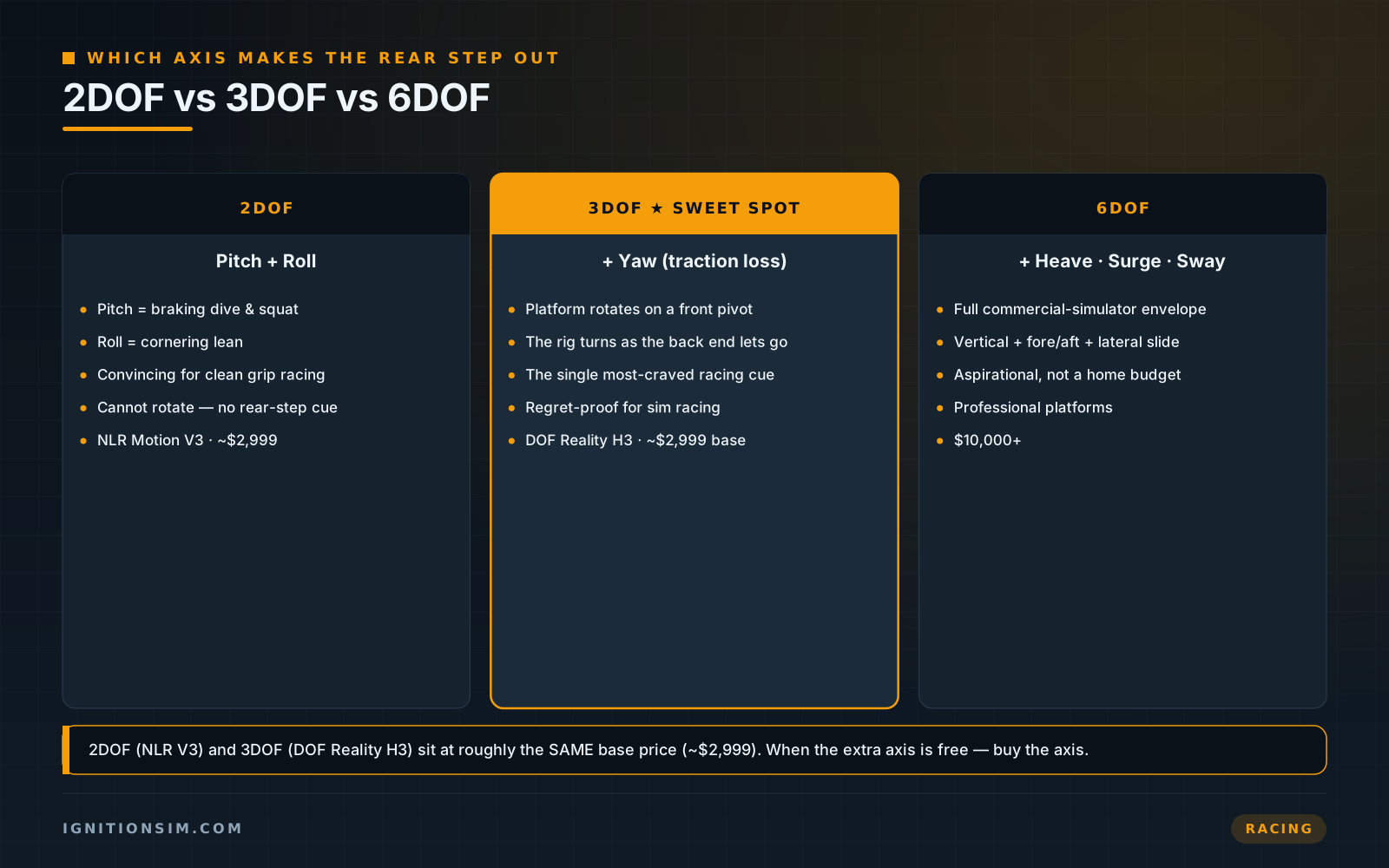
2DOF (pitch + roll) tilts the seat forward/back and side to side. That sells braking dive, acceleration squat, and the lean of a long corner. It is genuinely convincing for grippy circuit racing, and a refined belt-driven unit like the NLR V3 does it smoothly and quietly. What it cannot do is rotate the platform, so the one cue racers chase hardest — the rear axle stepping out — simply isn’t there.
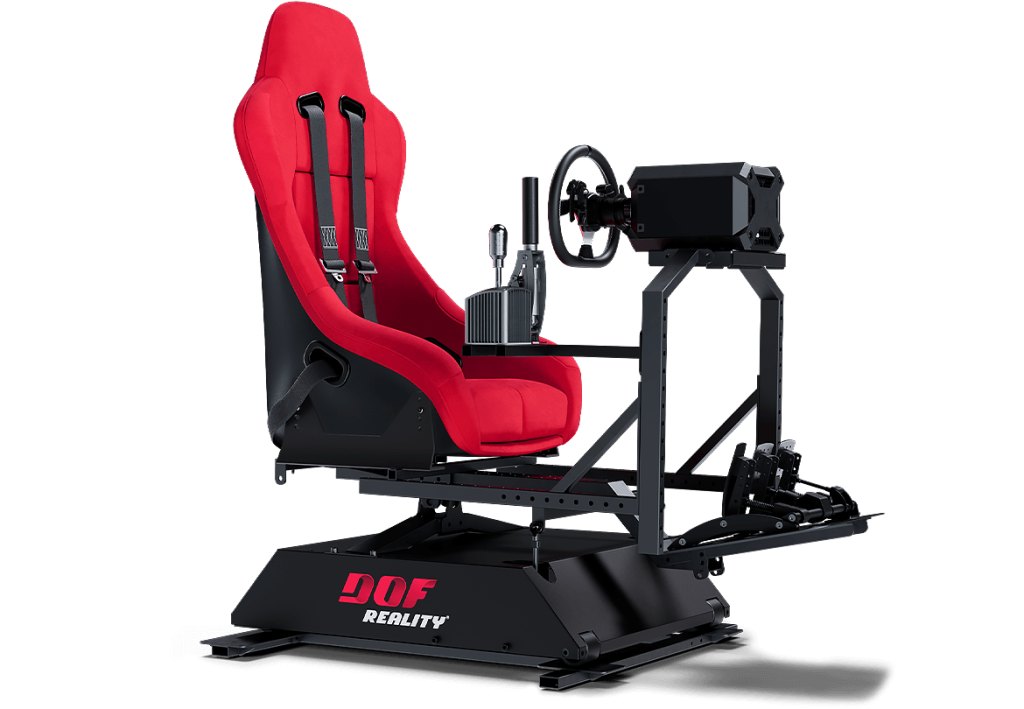
3DOF adds the third axis, and which third axis matters. DOF Reality’s H3 uses its third motor for traction-loss yaw (front-centre pivot), so the rig rotates as the back end lets go. That is the difference between “the seat tilted” and “the car got loose and I caught it.” For most sim racers this is the single most valuable motion cue, which is exactly why the community pushes people past 2DOF when the budget already reaches 3DOF money.
6DOF adds heave (vertical), surge (fore-aft slide) and sway (lateral slide) on top — the full six axes a commercial simulator uses. It’s spectacular and it’s a different price universe (five figures and up). For a home racer it’s aspirational trivia; know it exists, don’t budget for it.
The regret-proof read: for a home sim-racing rig, 3DOF with a traction-loss axis is the sweet spot. 2DOF is defensible if you race clean grip and value silence and polish; 6DOF is for people who don’t ask what things cost.
The recurring r/simracing confession runs like clockwork: someone buys an entry 2DOF platform, loves it for a month, then realizes the one thing they wanted — feeling the back end let go — is the exact thing 2DOF physically can't do. The reply every thread converges on: "if you're already spending three grand, skip 2DOF and start at 3DOF." The traction-loss axis is where the regret lives, not the build quality.
Motion vs tactile: what each actually gives you
Here’s the part the motion marketing would rather you skipped. Most of the “I can feel the car” sensation people attribute to motion is actually available from tactile — at a tenth of the price. Motion and tactile do genuinely different jobs, and understanding the split is what stops a $3,000 mistake.
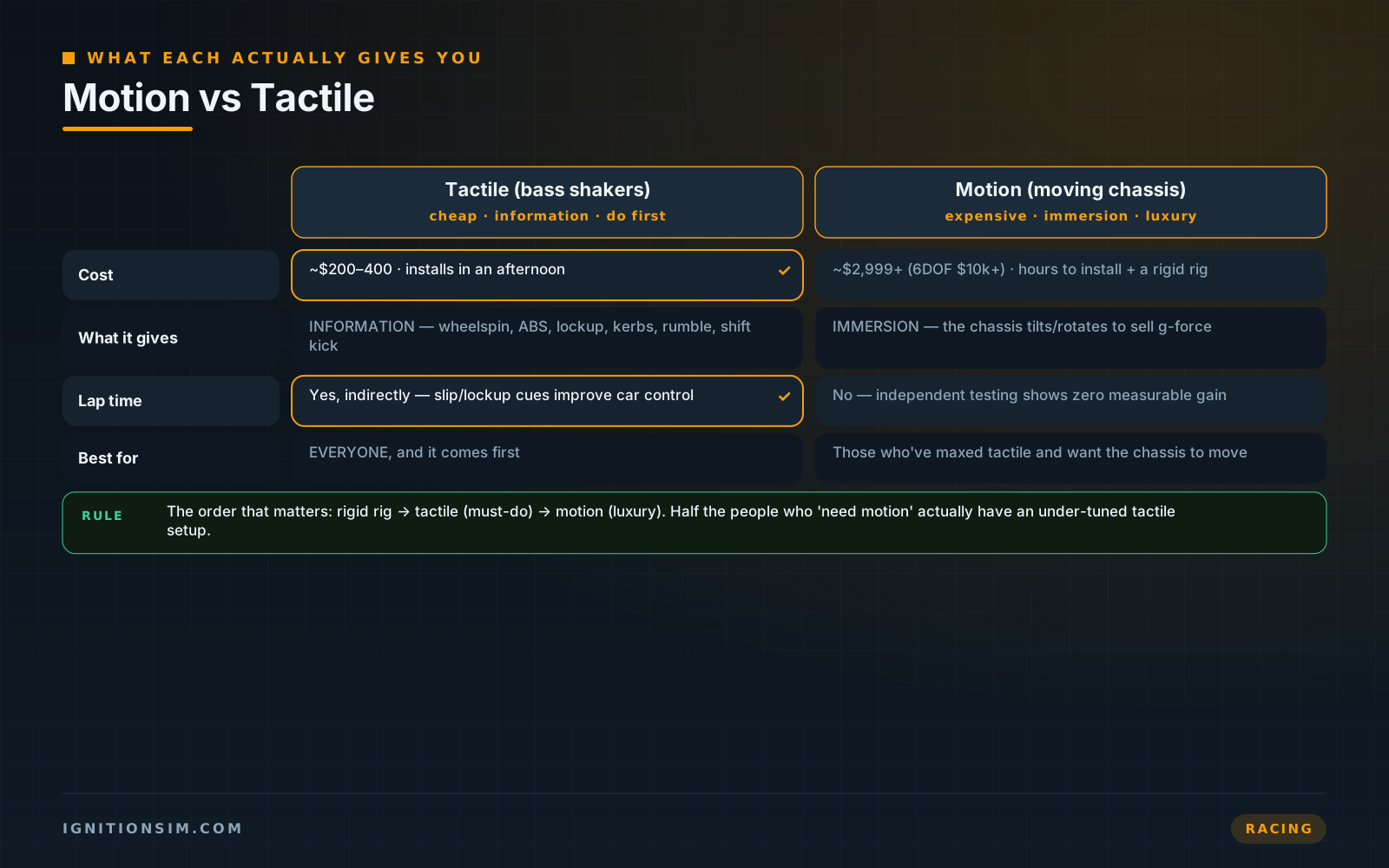
Tactile (bass shakers / haptic transducers) turns the car’s telemetry into vibration you feel through the seat and pedals: wheelspin, ABS pulse, brake lockup, kerb strikes, road texture, engine rumble, gear-shift kick. These are information cues — they tell you what the tyres are doing, which genuinely helps you drive. A strong setup is $200-400, installs in an afternoon, and is the near-unanimous “why did I wait” upgrade in sim racing.
Motion tilts and moves the whole chassis to sell g-force: braking dive, cornering lean, the rear rotating (on 3DOF). These are immersion cues — they make it feel real, but they don’t add information tactile doesn’t already give you, and independent testing keeps confirming they don’t add lap time.
So the honest hierarchy: tactile is the high-value, must-do layer; motion is the luxury layer on top. Nearly everyone should max out tactile before spending a cent on motion. If you’ve done that and still want the chassis to move — great, that’s exactly who motion is for. If you haven’t, motion is buying the roof before the walls.
Before you spend $3k on motion, spend $250 finishing your tactile. Add a dedicated pedal-deck transducer for lockup and wheelspin felt through your feet, tune the SimHub ShakeIt effects properly, and isolate the mounts with Sorbothane. Half the people who "need motion" actually just have an under-tuned tactile setup — and a full tactile build is the thing motion sits on top of anyway.
The 2026 motion shortlist at a glance
| Platform | ~Price | DOF | What you get | Verdict |
|---|---|---|---|---|
| NLR Motion V3 | $2,999 | 2DOF (pitch + roll) | Quiet belt drive, refined software, NLR-cockpit bolt-on | Best 2DOF — polished, apartment-tolerable |
| DOF Reality H3 | ~$2,999 base | 3DOF (+ traction-loss yaw) | The rear-stepping-out axis, upgrade path to HERO trims | Best value motion — the axis that matters |
| DOF Reality HERO / traction-loss trims | $4,000+ | 3DOF+ / SFU | Stronger gearing, dedicated traction-loss unit | For rally/drift/off-road as main diet |
| 6DOF commercial platforms | $10,000+ | 6DOF (heave/surge/sway) | Full-simulator motion envelope | Aspirational; not a home budget |
The full immersion stack: what to buy, in what order
If you take one thing from this guide, take the order. Immersion isn’t one purchase — it’s a stack, and the per-dollar payoff falls off a cliff if you buy it out of sequence.
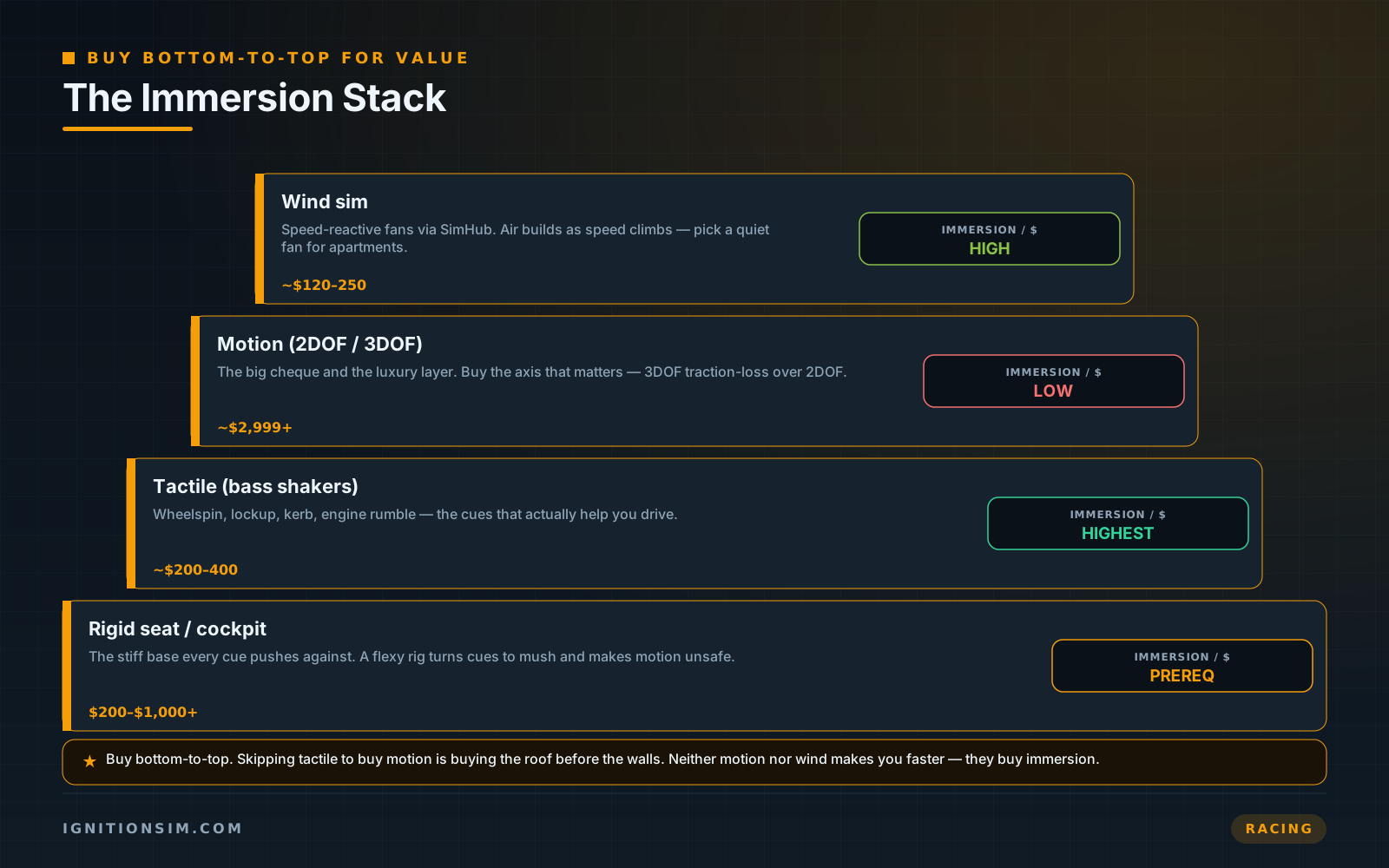
- Rigid seat/rig first. Motion and tactile both need something stiff to push against. A flexy rig turns every cue to mush and makes motion genuinely unsafe. This is the foundation — see the cockpit and seat guide for the rig tiers.
- Tactile next. Best immersion-per-dollar in the whole stack, full stop. $200-400 buys the wheelspin/lockup/kerb information cues that actually help you drive.
- Motion after that — if at all. The big cheque and the luxury layer. Only after tactile is maxed, and only if you’ll actually feel the difference. If you buy here, buy the axis that matters (3DOF).
- Wind sim last. Speed-reactive fans ($120-250) driven by SimHub or Sim Racing Studio add a genuinely convincing sense of speed — the cheapest “wow” per dollar after tactile, and a perfect finishing layer whether or not you have motion.
Wind sims punch absurdly above their price. Two speed-reactive fans, a SimHub profile, and $150 give you air that builds against your face as the speedo climbs — a sensation motion alone doesn't deliver. If you're on the fence about a $3k motion platform, buy tactile-plus-wind for a fraction of the cost first. You may find you never miss the moving chassis. Apartment builders: pick a quiet-fan option (AC Infinity-class) so the immersion doesn't cost you a noise complaint.
The setup tax nobody quotes you on motion
Motion is not a plug-and-play seat pad. Budget for the whole picture before you commit:
- Space and ceiling. A moving seat needs clearance in every direction, including up — pitch tilts your head toward the ceiling. Measure before you buy, especially in a spare bedroom.
- Install time. Even the turnkey NLR V3 is a ~2-3 hour install on a compatible cockpit, and more if your rig needs adapting. DOF Reality builds are more DIY still — plan a weekend, not an evening.
- Rig rigidity is mandatory. Motion multiplies the loads on your frame. A wheel-stand-tier rig is not enough; you want a rigid cockpit or 8020 rated for the platform. Bolting motion to a flexy frame is how you get mush and, worse, failure under load.
- VR + motion needs washout tuning. Motion in VR is spectacular when tuned and nauseating when not. The platform’s software has to “wash out” sustained tilt so your inner ear and eyes agree. Both platforms handle it; budget time to dial it in.
- It won’t make you faster. Say it out loud before you spend: independent testing shows zero measurable lap-time gain. You’re buying immersion and long-session joy. That’s a fine thing to buy — just buy it with clear eyes.
- Noise travels. Belt-driven 2DOF (NLR) is the quiet option; gear-driven DOF Reality trims are louder. In an apartment or shared house, factor the sound into the decision.
The buy order (motion edition)
- Confirm the boring layers are done: rigid rig, maxed tactile. If they’re not, spend there instead and revisit motion later.
- Decide your real racing diet. Mostly grippy GT/formula? 2DOF is defensible. Any meaningful drift/rally/off-road? You need the traction-loss axis — go 3DOF.
- On a fixed ~$3k budget, that decision almost always points to 3DOF (DOF Reality H3) over premium 2DOF — same money, more axis.
- Prioritize polish/quiet/turnkey and don’t care about yaw? The NLR Motion V3 earns its keep.
- Budget the setup tax: clearance, install time, a rig stiff enough to carry the platform.
- Add a wind sim as the finishing layer — it’s the best-value immersion left on the board.
What to buy
Who should skip motion entirely
If your tactile isn’t finished, skip motion — a $250 tactile top-up will out-immerse a mis-timed motion purchase every time. If you race in a shared house or apartment and can’t tolerate the noise or the ceiling clearance, skip it. If you’re chasing lap time, skip it — the data is clear that motion doesn’t deliver pace, and the money is better spent on a wheelbase, pedals, or practice. Motion is a luxury for people who’ve already built a great rig and want the chassis to move. That’s a completely legitimate want — just make sure it’s the layer you’re actually missing before you write the biggest cheque in the hobby.
Research receipts (evidence, not shopping links)
Source review date: July 3, 2026. We checked manufacturer product pages and current 2026 pricing/review notes rather than repeating spec-sheet claims, and paraphrased community consensus in our own words.
Official pages: Next Level Racing Motion Platform V3, DOF Reality H3 3-Axis (Racing), DOF Reality model comparison.
Reviews + pricing: Next Level Racing Motion Platform V3 review (bsimracing), Motion Simulator Platforms Explained — Worth $2000+? (Racing Rig Guide, 2026), Sim racing motion platform overview (SimRacingCockpit).
Wind + immersion context: Wind Sim Direct Kit (Sim3D), Best wind simulator kits for sim racing (Sabertooth Games).
Community + review reads (paraphrased in our voice): the recurring r/simracing “skip 2DOF, start at 3DOF” motion threads.
Key takeaways & quick answers
IgnitionSim is reader-supported. When you buy through links on our site we may earn an affiliate commission at no extra cost to you — it never changes our verdict or your price. As an Amazon Associate we earn from qualifying purchases.
Keep reading
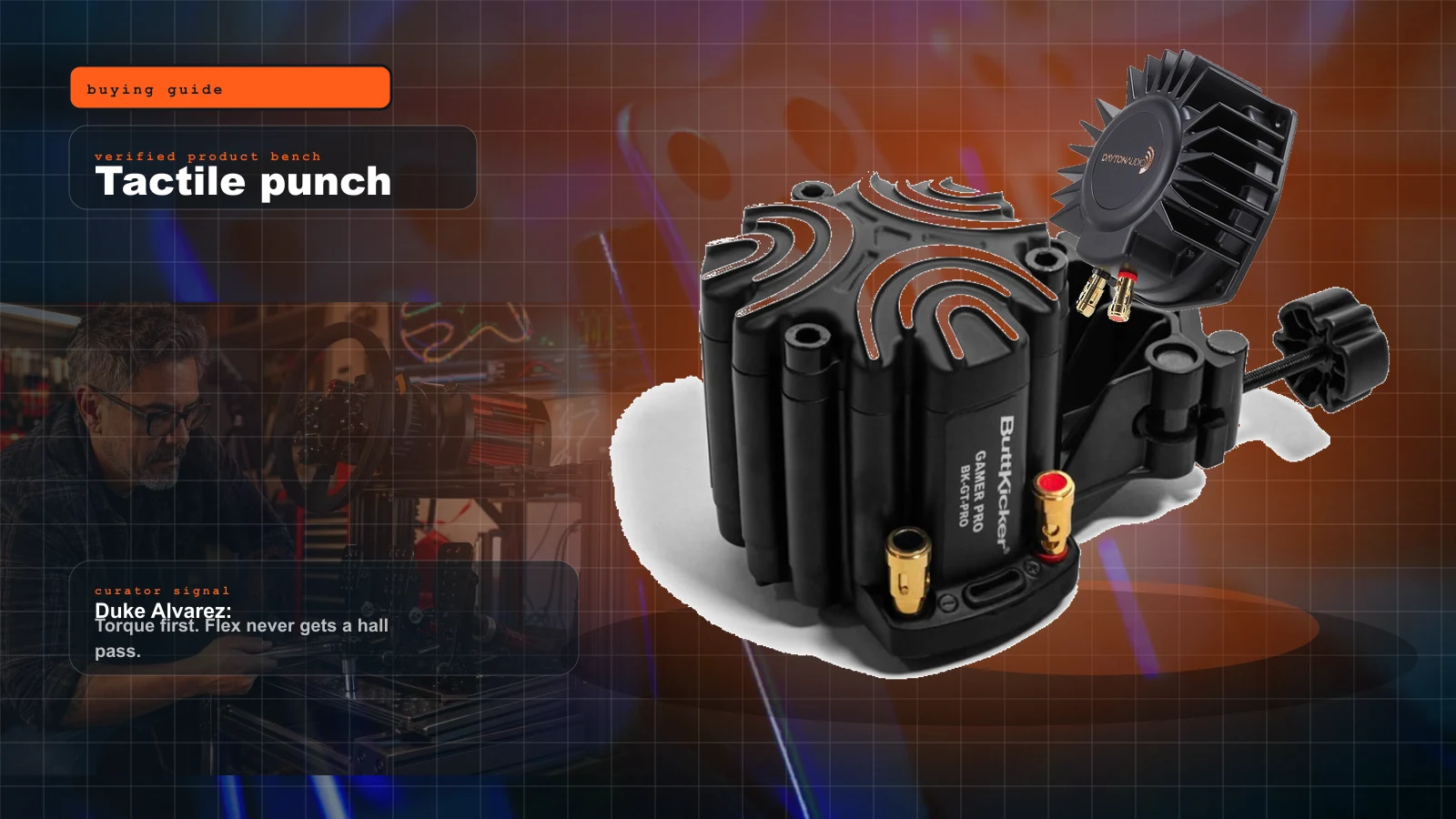
Best Bass Shakers & Tactile Transducers for Sim Racing 2026: The 'Why Did I Wait' Upgrade
Force feedback talks to your hands. Tactile transducers talk to the rest of you — wheelspin, lockups, kerbs, engine rumble felt through the seat. It's the #1 'why did I wait' upgrade in sim racing, and here's exactly what to buy.
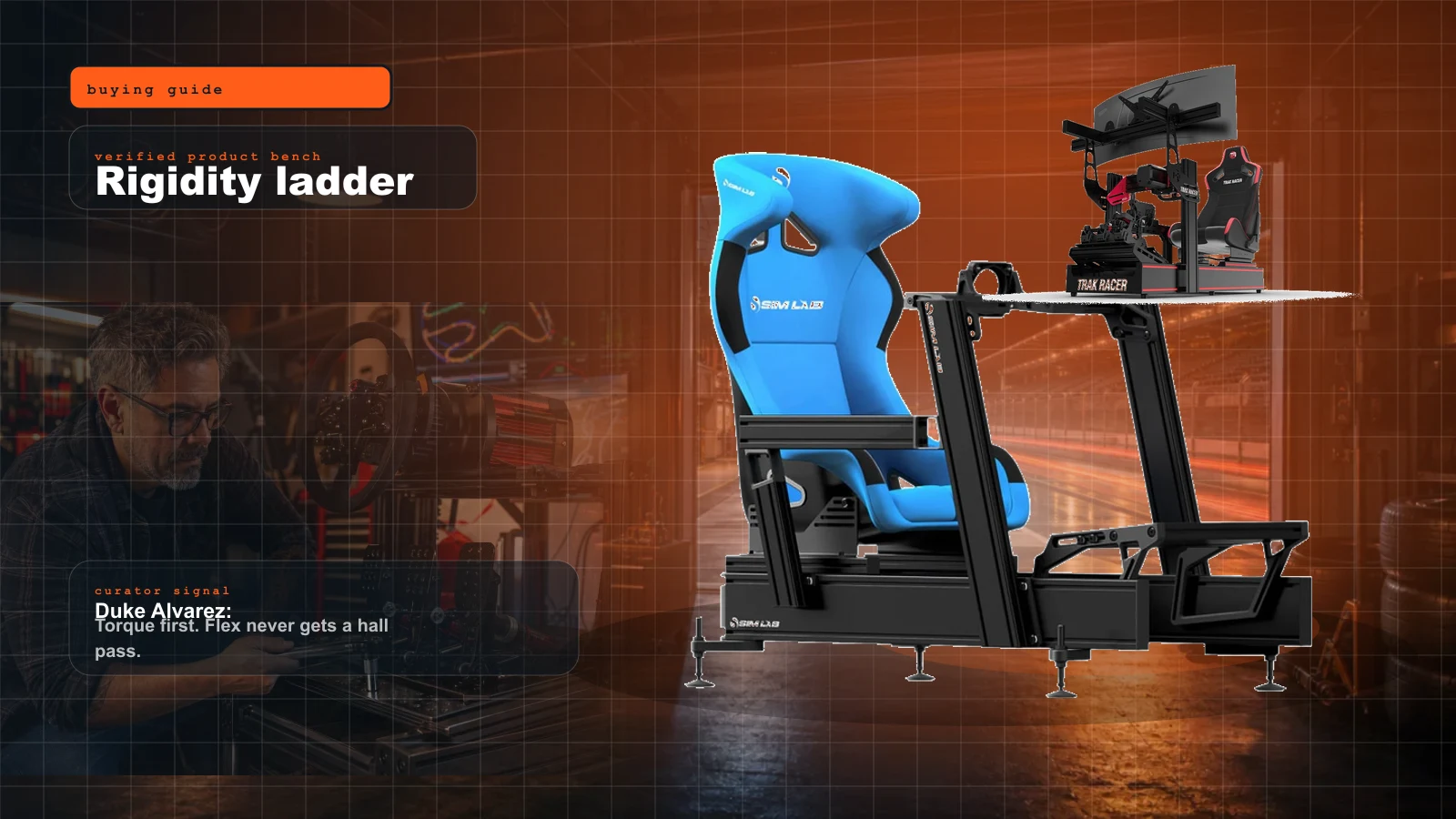
Best Sim Racing Cockpits and Seats of 2026: The Rigidity Ladder
The frame is the part nobody photographs and everybody needs. Here's the honest 2026 rigidity ladder — the cockpit to buy at every budget, when torque forces a real rig, and whether a GT bucket beats a fabric seat.
DIY Motion vs Bass Shakers in 2026: The Immersion Upgrade Path That Does Not Start With Four Actuators
Mac's rule: tactile first, motion later. Bass shakers teach the car's texture; motion moves the chassis; bad wiring ruins both.
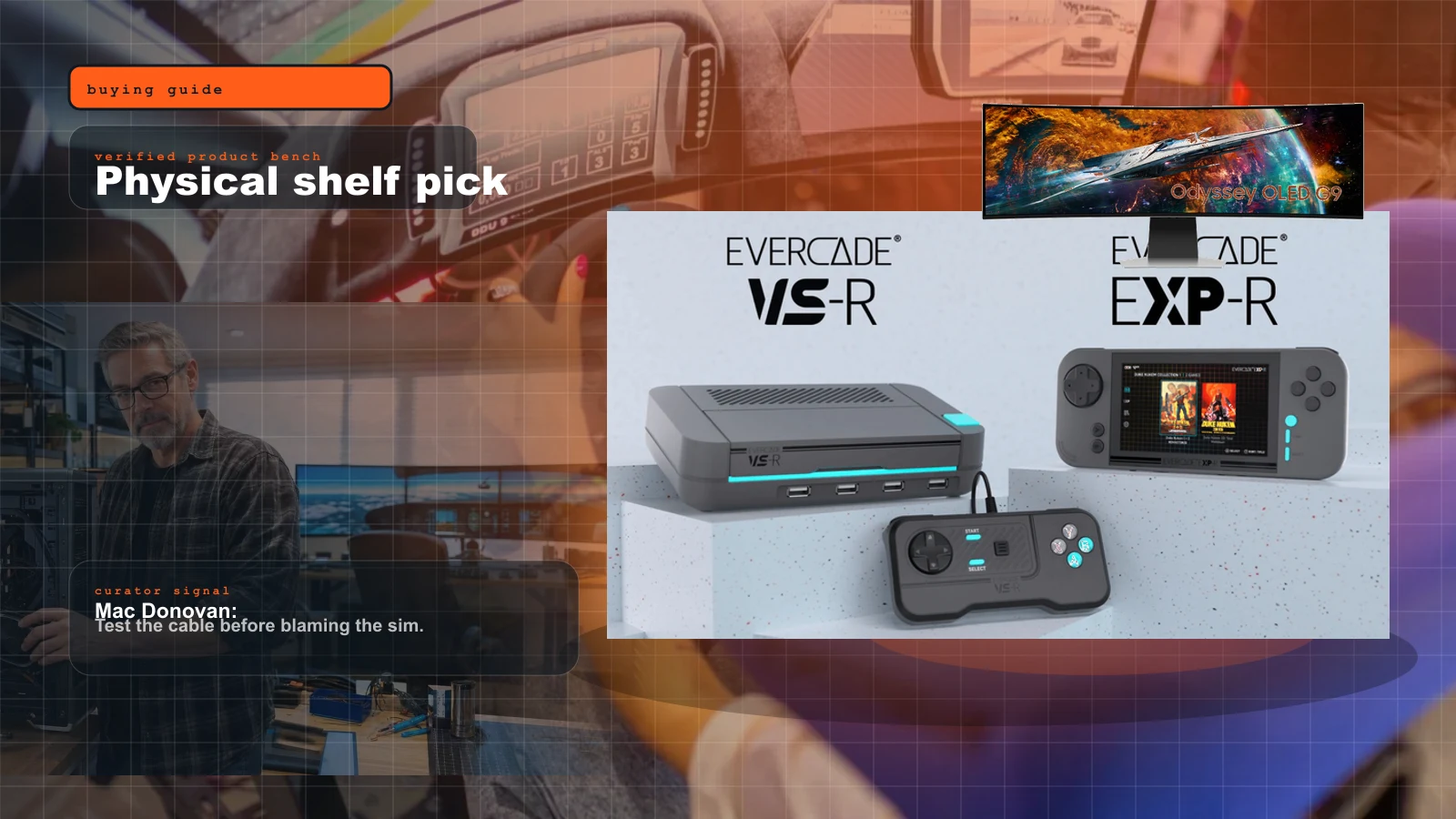
Evercade in 2026: Is the Physical Cartridge Ecosystem Worth Adding to a Sim Room?
Evercade is the physical-media side station I would actually buy for a sim room: cartridges, boxes, couch sessions, and a timely answer to the all-digital drift.