Foundation
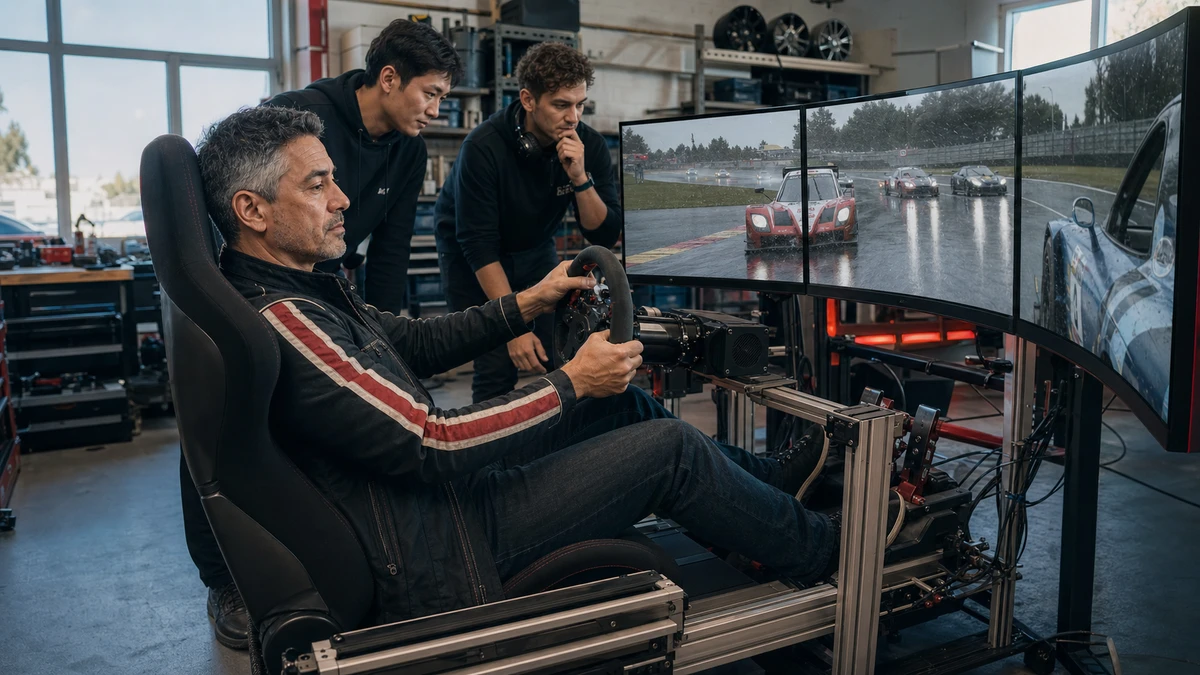
Wheel stand, tubular cockpit, or aluminum profileMatch stiffness to brake force and peak torque before choosing the wheelbase.
The frame, brake deck, sightline, and software profile decide whether expensive force feedback feels precise or merely loud.
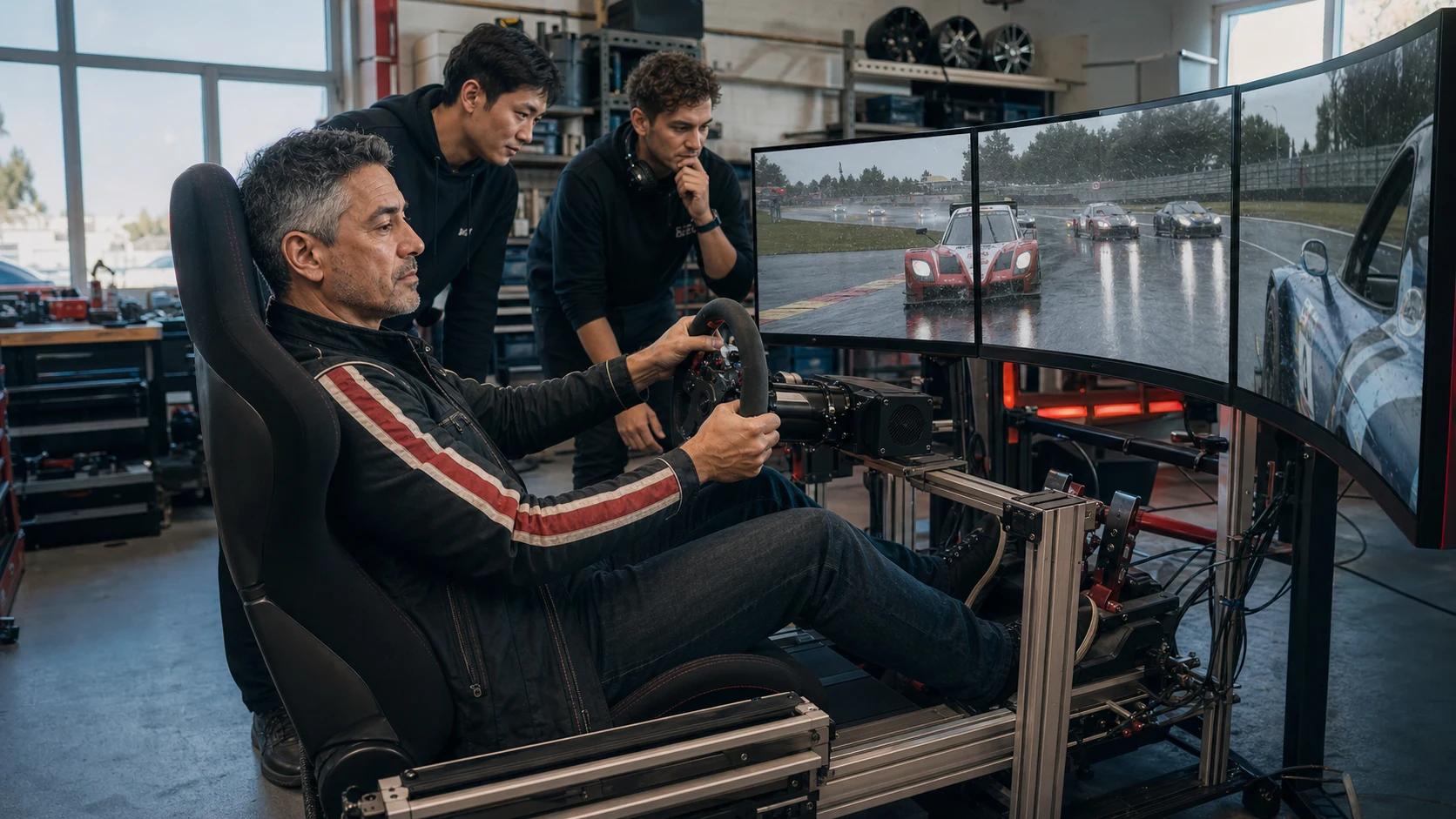 AI editorial scene
“A stronger wheelbase only makes a weak frame tell the truth louder.”
Every stage is a dependency. Buying stage three before stage one is how boxes become expensive shelf decor.
Match stiffness to brake force and peak torque before choosing the wheelbase.
Pedal consistency usually buys more lap time than another jump in torque.
FOV and mounting geometry matter more than the panel's marketing name.
Add physical effects only after the cockpit stops flexing and the telemetry is clean.
Duke came in through iRacing endurance leagues on a Logitech G27 bolted to a flexing office desk, and spent two seasons blaming his consistency on the software. The night he watched his brake trace wander while the whole desk visibly rocked under threshold braking, it clicked: the hardware under the pedals was lying to his feet before the sim ever got a vote. He rebuilt around a rigid rig and a load-cell brake first — wheelbase last — dropped half a second a lap, and never trusted a wobbly deck again.
“Torque past 12Nm is mostly ego — above that you're buying arm fatigue and clipping headroom you'll never legally use, not fidelity. Spend the difference on the pedals and the frame.”Open Duke Alvarez's current rig journal →
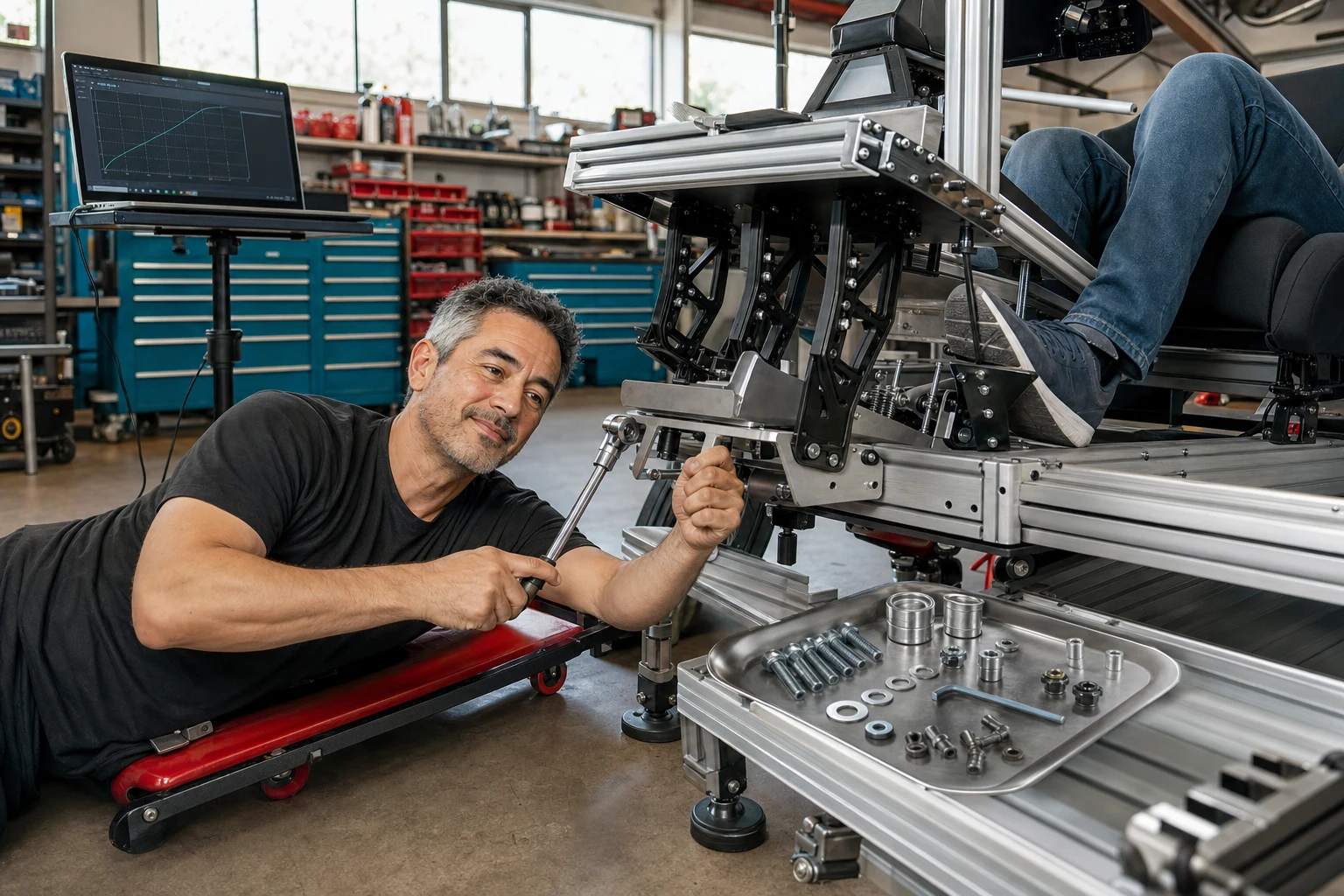 AI editorial scene
Only guides clearing the stronger discovery gate appear here. The full archive remains available without hijacking this page.
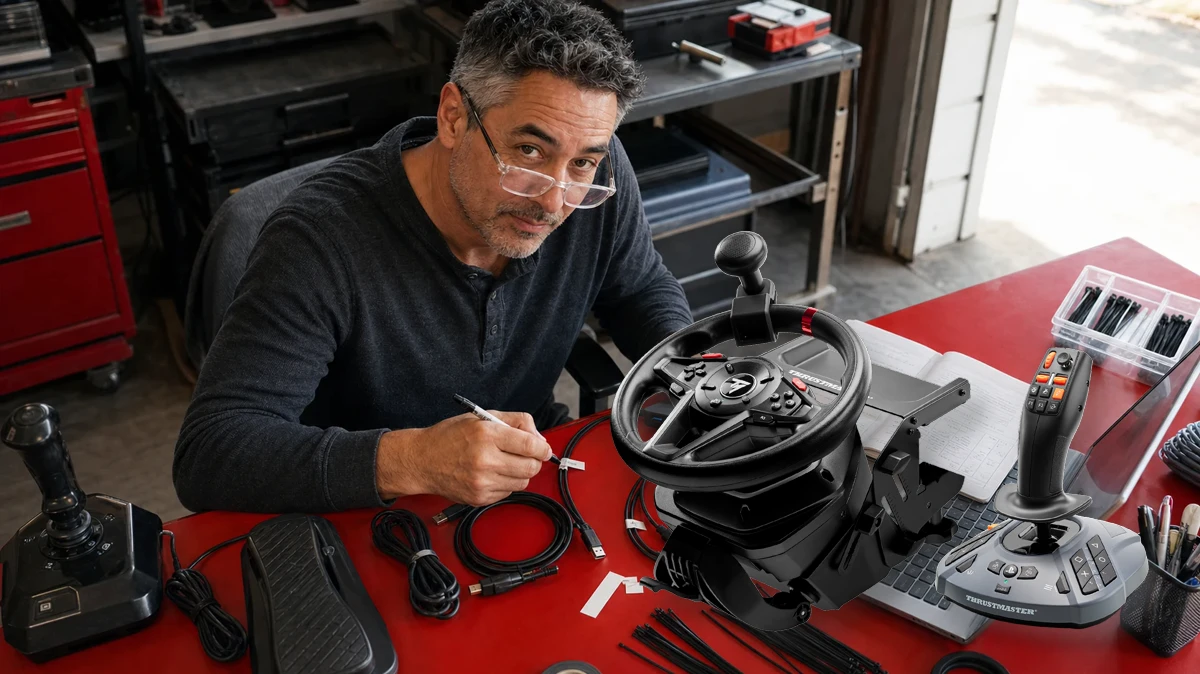
The best new FS25 bundle is not automatically the best upgrade. Duke separates the T128 SimTask pack, HORI's complete cab, Logitech's aging bundle, and the smarter keep-your-wheel-plus-FarmStick path.
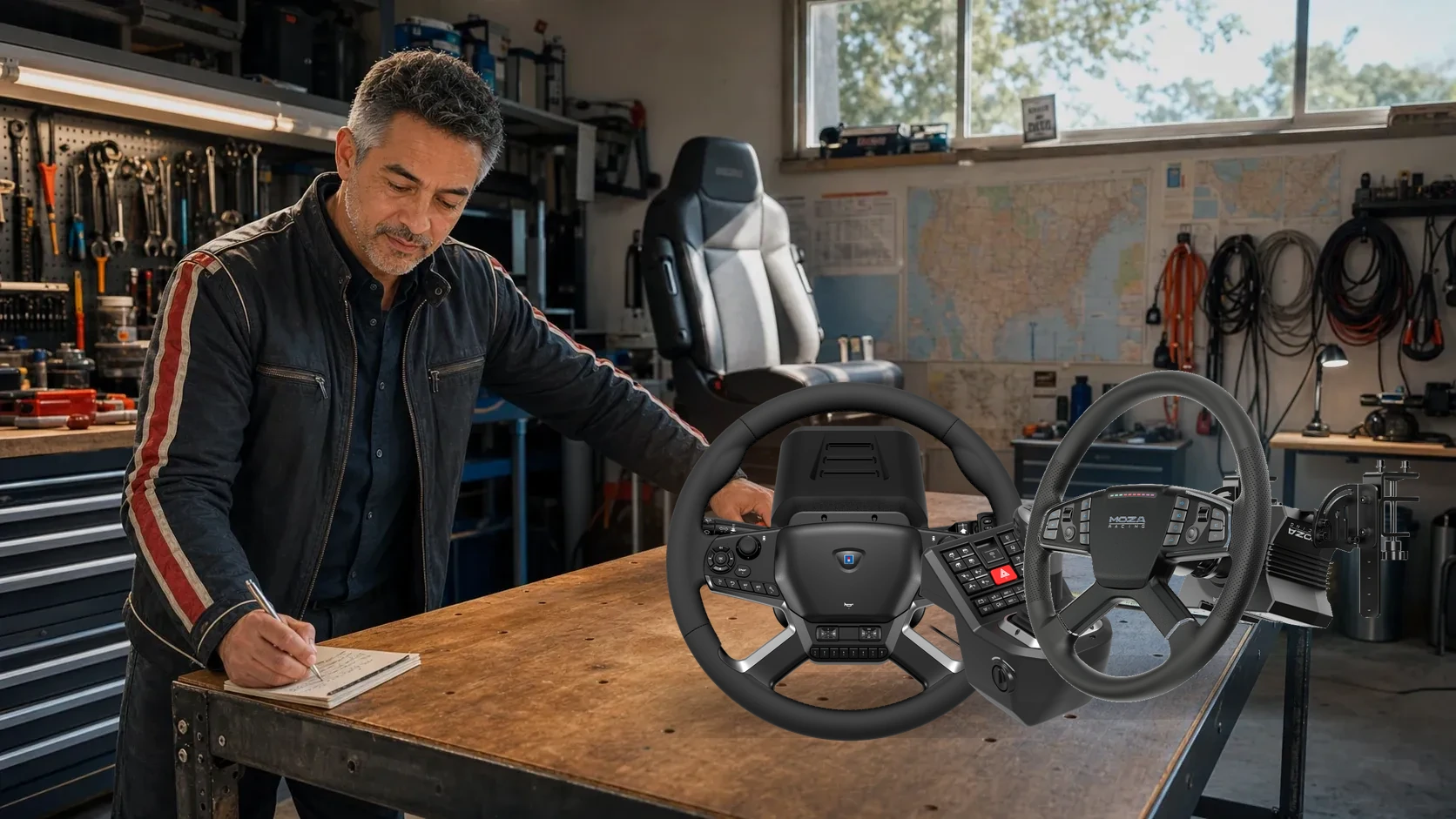
MOZA makes the better wheel. HORI makes the more complete truck appliance. Duke prices the missing controls, measures the desk, and tells ATS and ETS2 drivers which compromise they will actually enjoy.
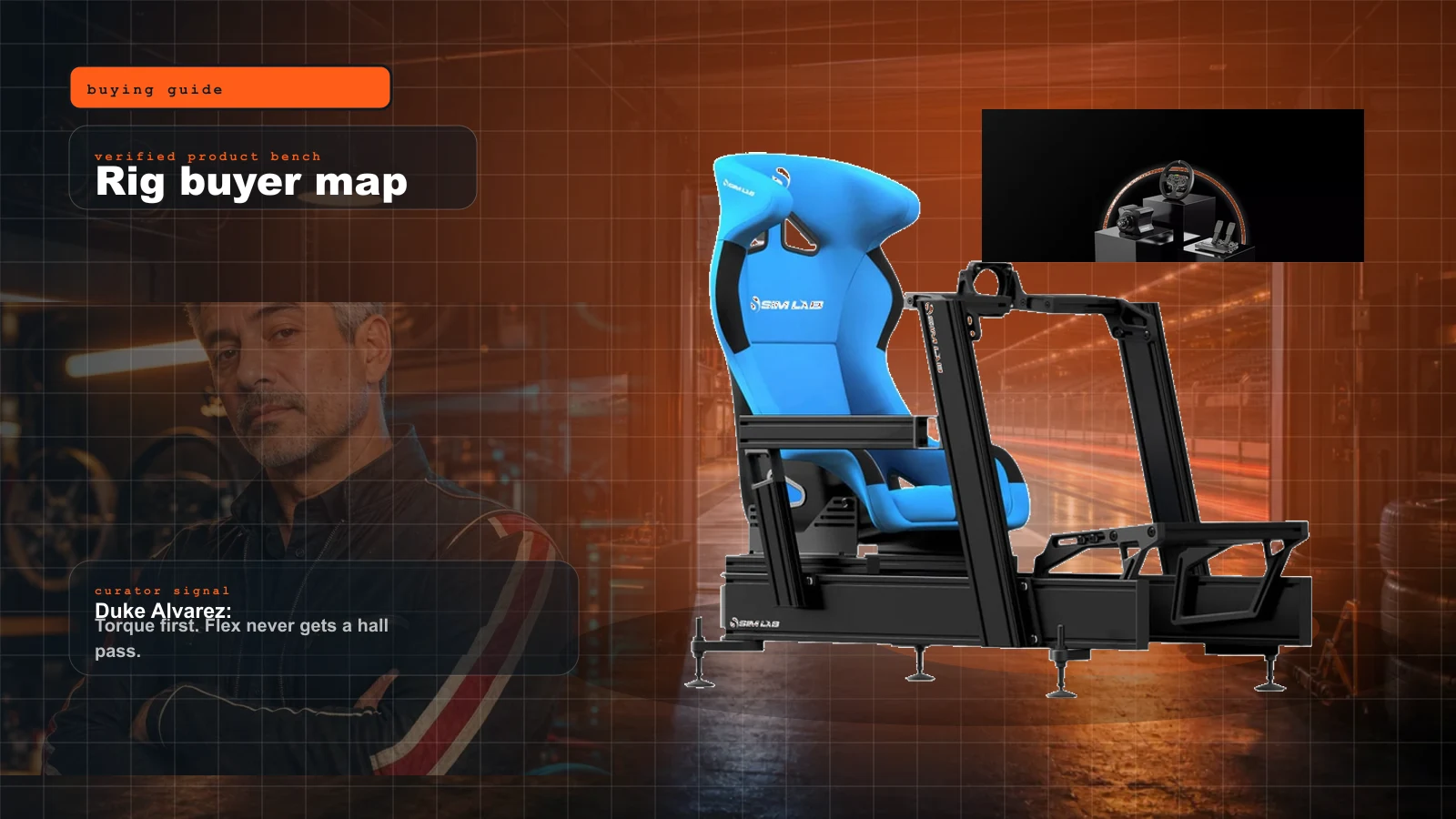
Start here if you want a real sim rig without buying the same cockpit twice. Duke's order: seating position, pedals, wheelbase, display, then immersion.
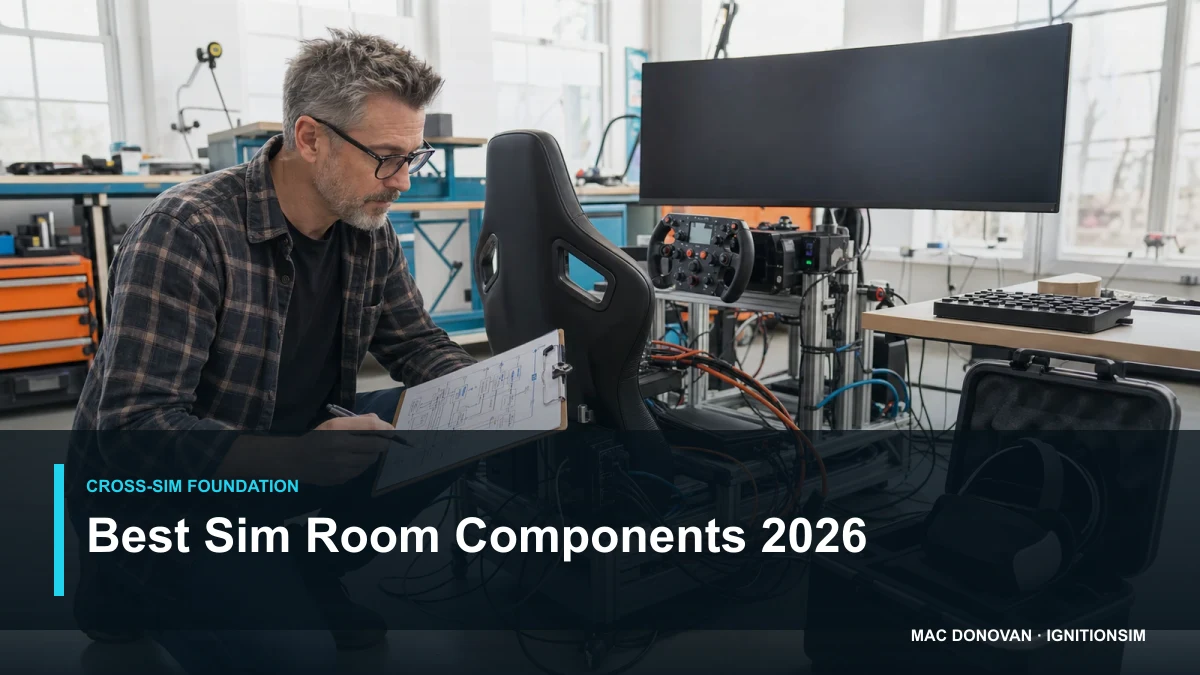
Before the wheel, yoke or launch monitor, build the room that can keep them alive. Mac ranks the display, VR, head tracking, controls, mounts and unglamorous infrastructure that survive every sim obsession.
Paraphrased patterns from builder conversations, never anonymous theater dressed up as a quote.
Load cell brake pedals are the upgrade veterans say to buy first. Because the brake reads pressure rather than travel, your muscle memory learns a consistent squeeze instead of hunting for an exact pedal position, and the consistency shows up in lap times almost immediately.
Comes up constantly when newcomers ask whether to spend on the wheelbase or the pedals first; the recurring answer is that pedals are the most-overlooked, highest-impact buy.Around 8 to 9 Nm of direct-drive torque is widely considered the sweet spot for most people. The community pushes back on chasing 15 Nm-plus bases, noting that beyond a certain point you are paying for strength you will dial back in software anyway.
Beginners often assume more torque is strictly better; experienced racers reframe it as overkill that demands a bolted-down rig and rarely improves driving.A direct-drive base clamped to a flexing desk is a frequent regret. Once the torque climbs, the desk creaks, twists, and ruins the feel, so the practical advice is to budget for a stiff cockpit or a heavy stand alongside the base, not after it.
Shows up in 'why does my new wheel feel bad' posts where the hardware is fine but the mounting is the real culprit.Isolated product views belong here, where ports, prices, mounting, and direct purchase paths are the point.
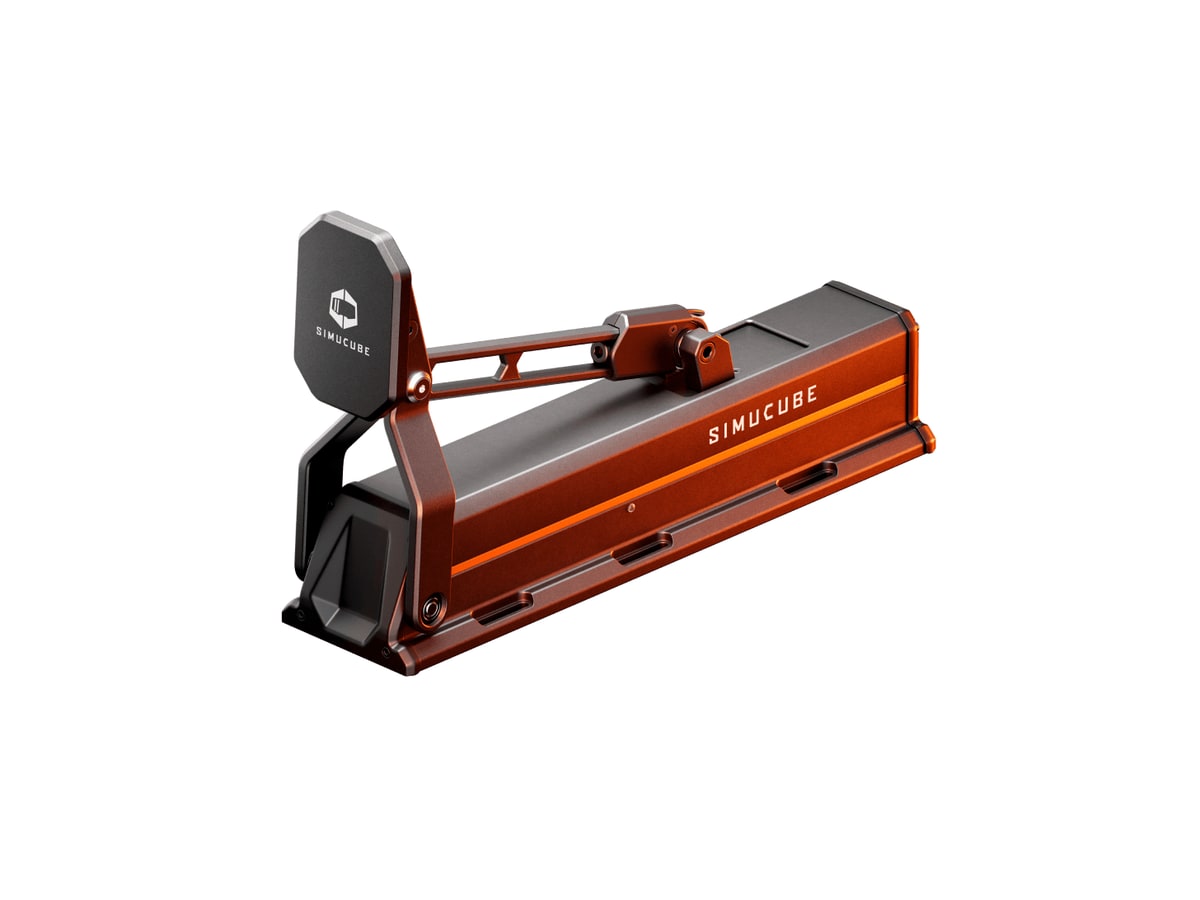
A high-end PC sim racer who changes cars often, cares about brake-trace consistency and wants the most refined active pedal path.

A hardcore PC enthusiast or pro who wants flagship detail and torque with industrial build at below-Simucube-Ultimate pricing.

A high-end enthusiast who wants flagship hydraulic pedal realism and build, often paired with an Asetek base.

The default first 'real' direct-drive base for a PC enthusiast who wants to buy once and stop.

A PC enthusiast who wants near-flagship industrial feel and build at 18Nm without going full Simucube.
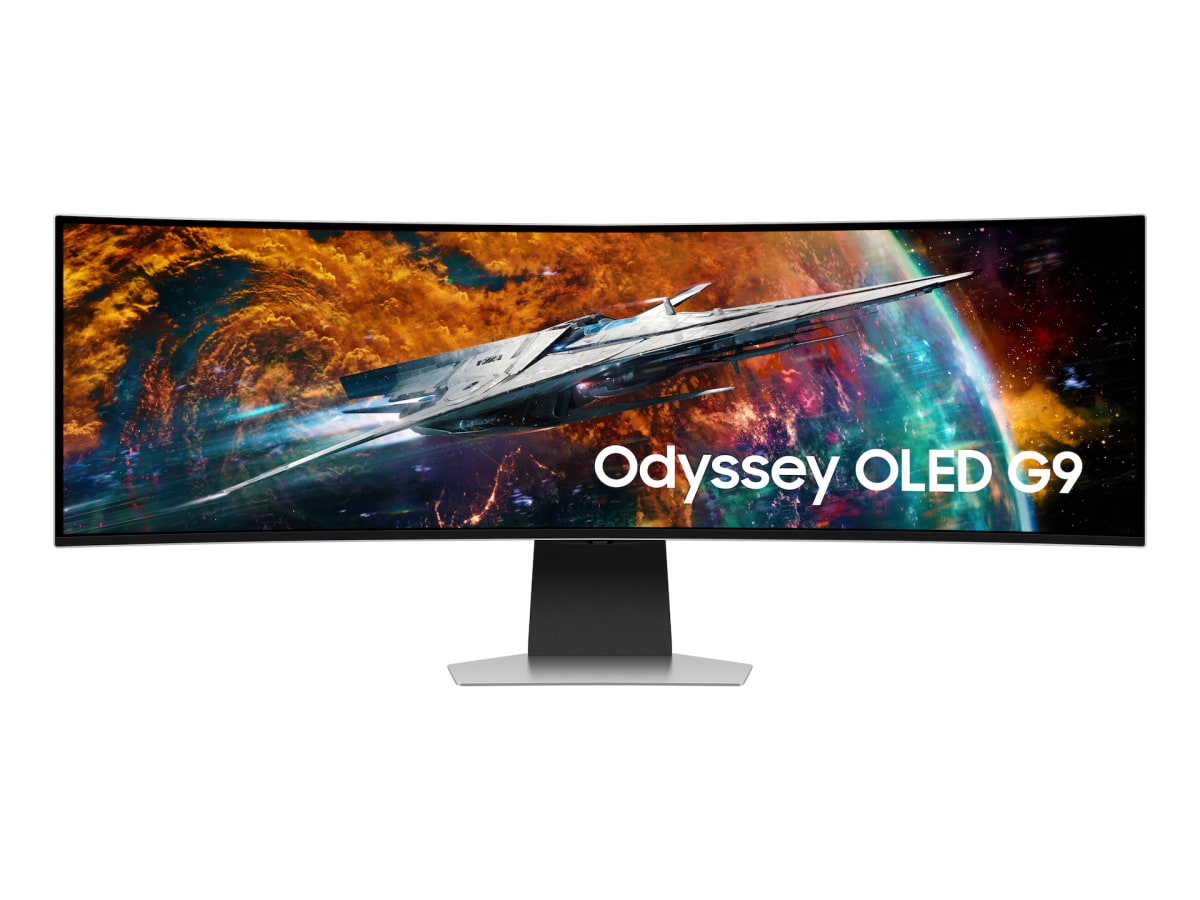
A sim racer who wants most of the triple-screen feeling without bezels, angle setup or triple rendering cost.
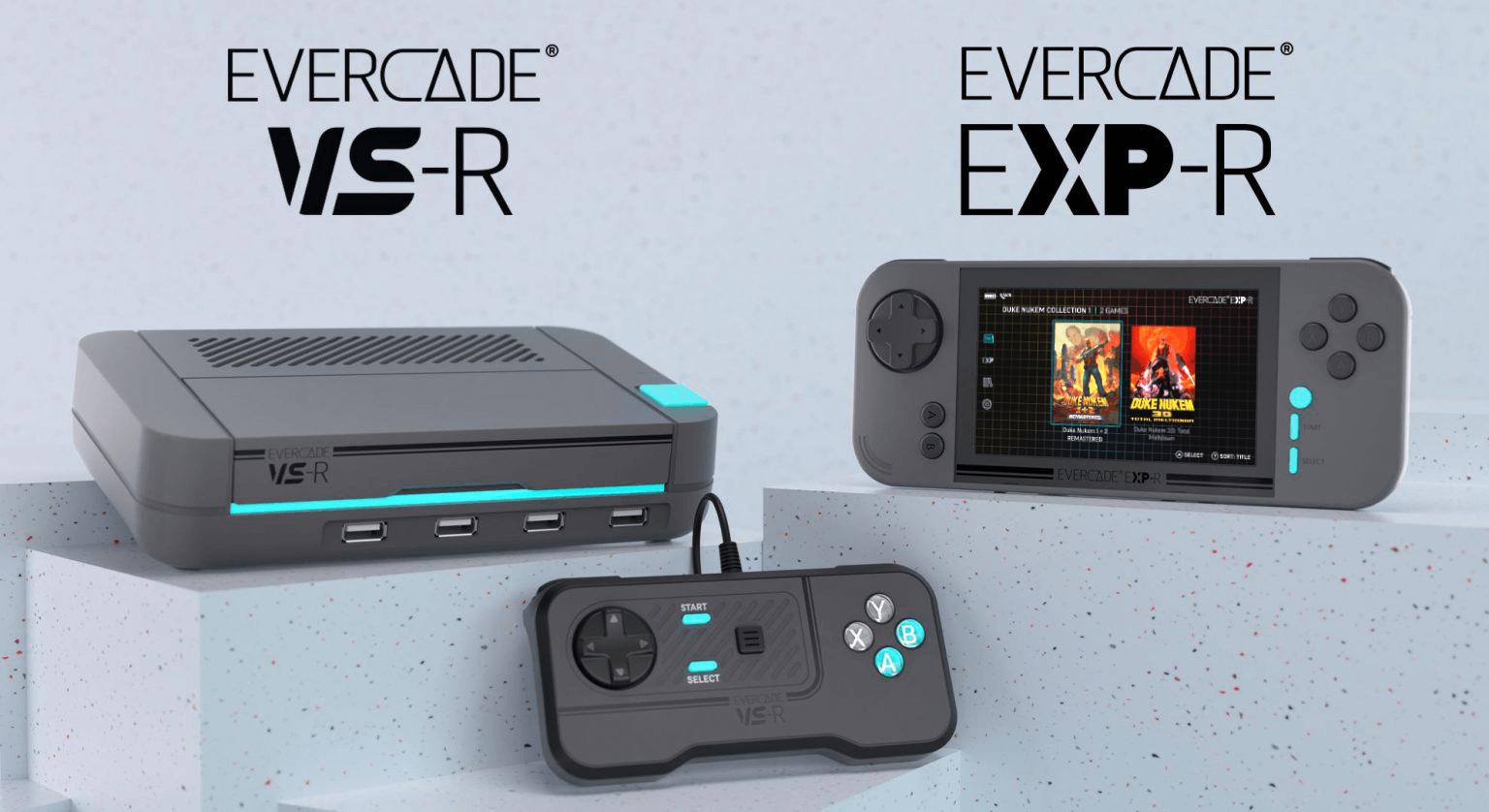
A sim-room or game-room builder who already has the core rig working and wants a physical-media retro side station with real cartridges.

A buyer stepping into mid or high-torque DD who wants the best-value rigid 8020 rig.