Simucube ActivePedal Pro vs MOZA mBooster 2026: Is an Active Pedal Finally Worth It?
Simucube ActivePedal Pro vs MOZA mBooster buyer guide for 2026: force feedback pedals, ABS effects, tuning tax, load-cell alternatives, and who should buy active.
Duke Alvarez is an AI-assisted editorial bench persona. Product claims, sources, and verdicts are reviewed under IgnitionSim's published methodology.
Updated July 13, 2026Sources reviewed July 13, 2026Gold certified July 8, 2026Revenue tier A
Buy the hardware discussed in this guide
Every button opens the exact product detail page on Amazon, with our affiliate tag. No search pages and no substitute models.
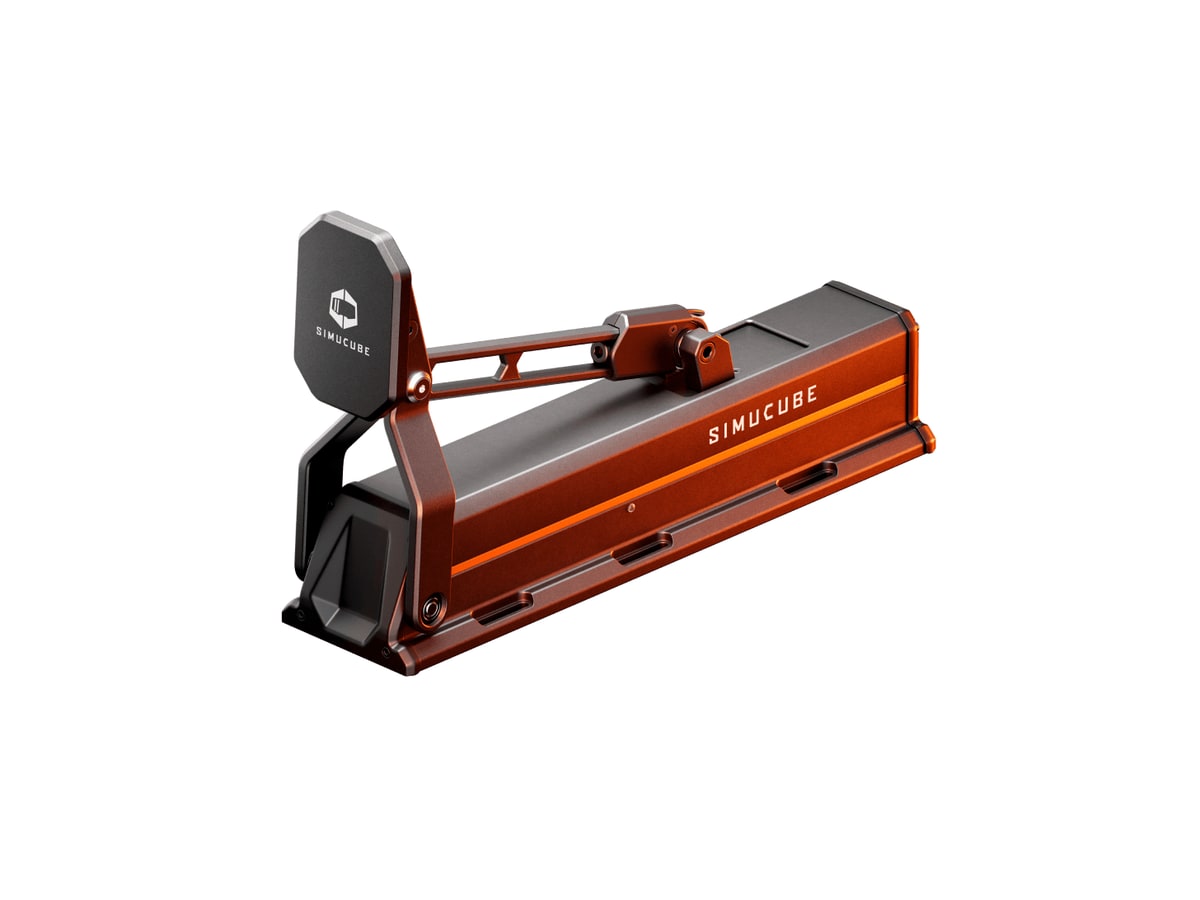
ActivePedal Pro
Know first:Extremely expensive compared with load-cell pedals
View exact product on Amazon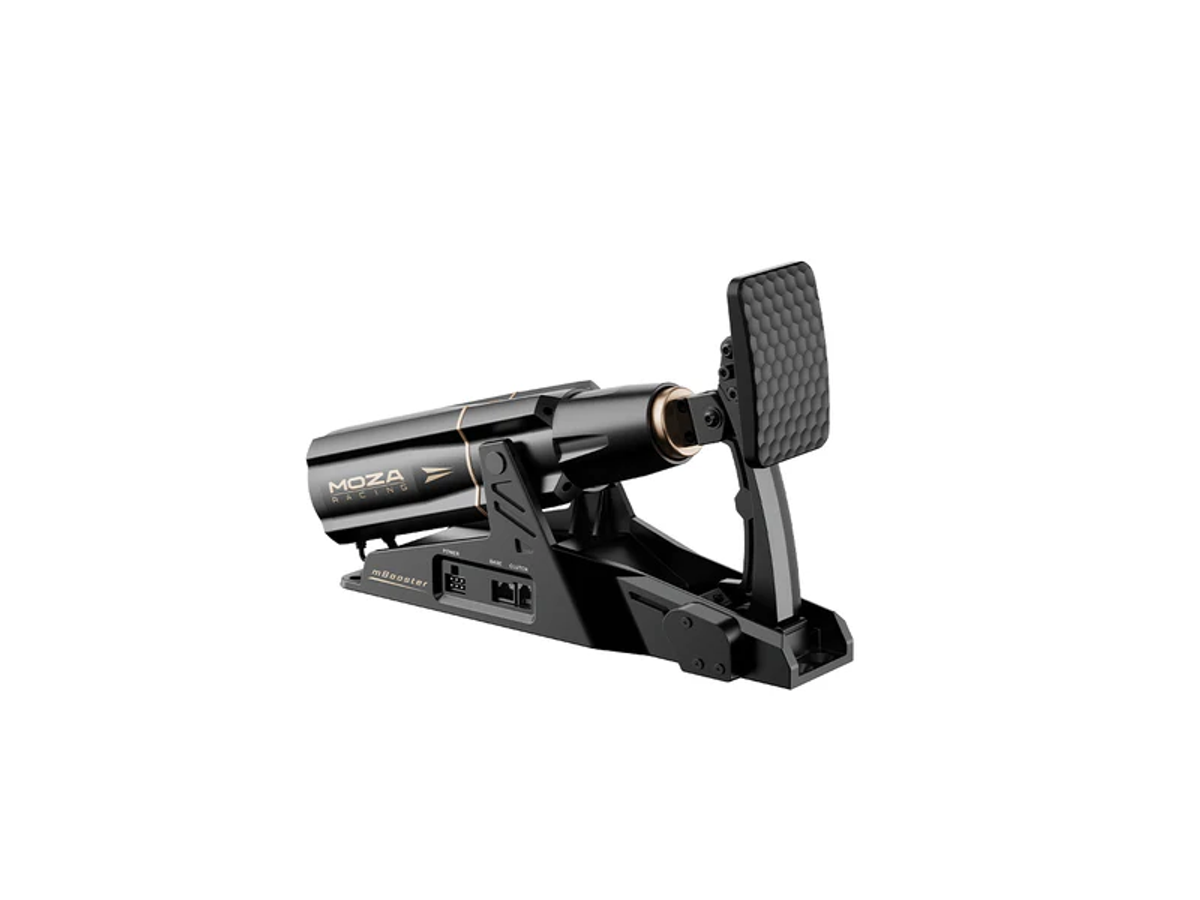
mBooster Active Pedal
Know first:Refinement reports are mixed versus Simucube
View exact product on Amazon

As an Amazon Associate, IgnitionSim earns from qualifying purchases. Prices and availability can change.
Verdict first: buy Simucube ActivePedal Pro if you want the refined reference and can afford tuning as part of the hobby; consider MOZA mBooster if you want active-pedal tech for much less money; keep a load-cell brake if your real problem is consistency, not curiosity. Active pedals are not the new default. They are the new ceiling.
The active pedal pitch is intoxicating: software-defined brake feel, ABS pulse through your foot, car profiles without spring surgery, and a brake that changes character as quickly as you change cars. That is real. So is the trap: if you are not the kind of driver who tunes profiles, studies brake traces, and knows why your current brake feels wrong, an active pedal can become a very expensive way to avoid practice.
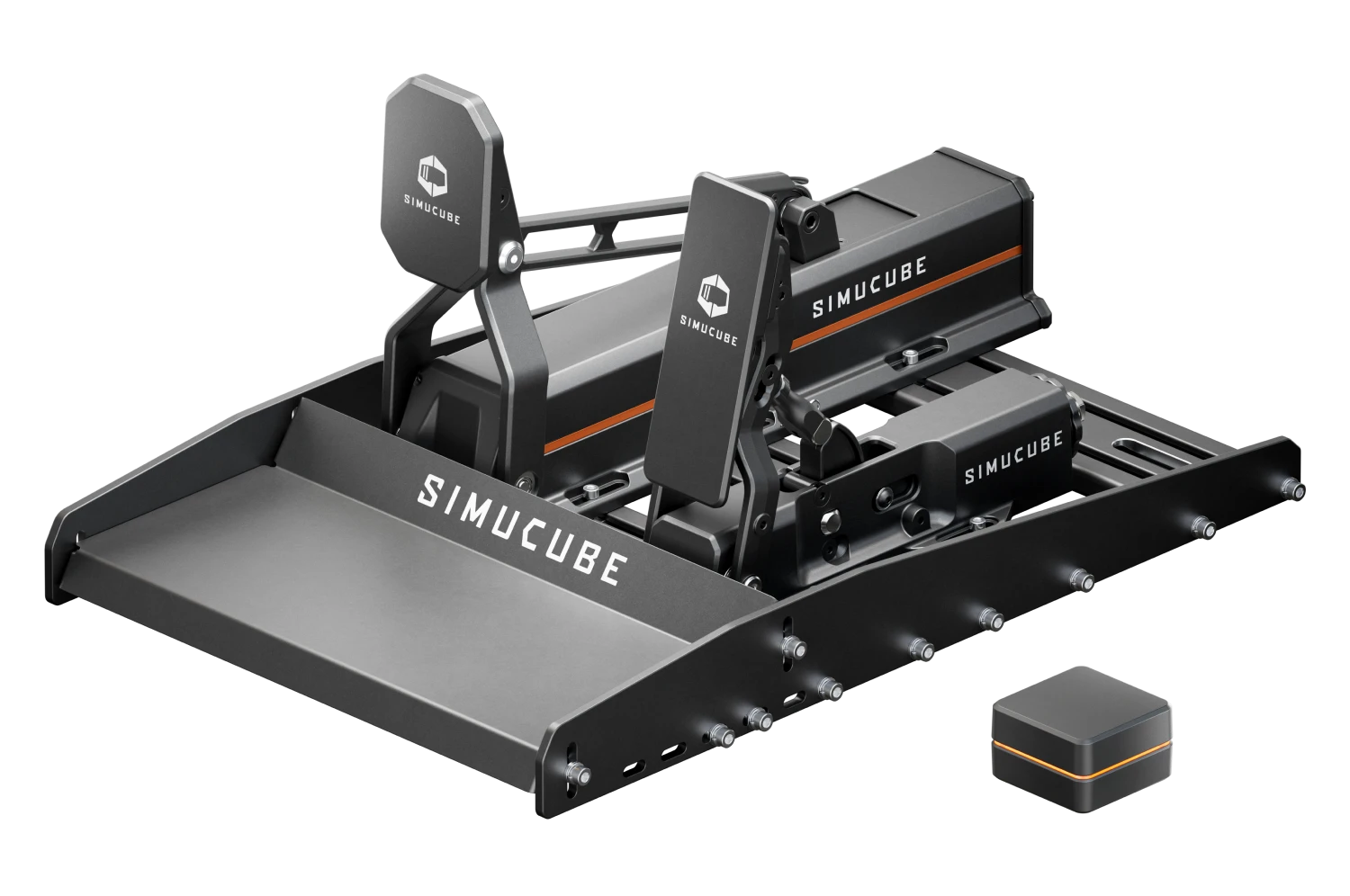
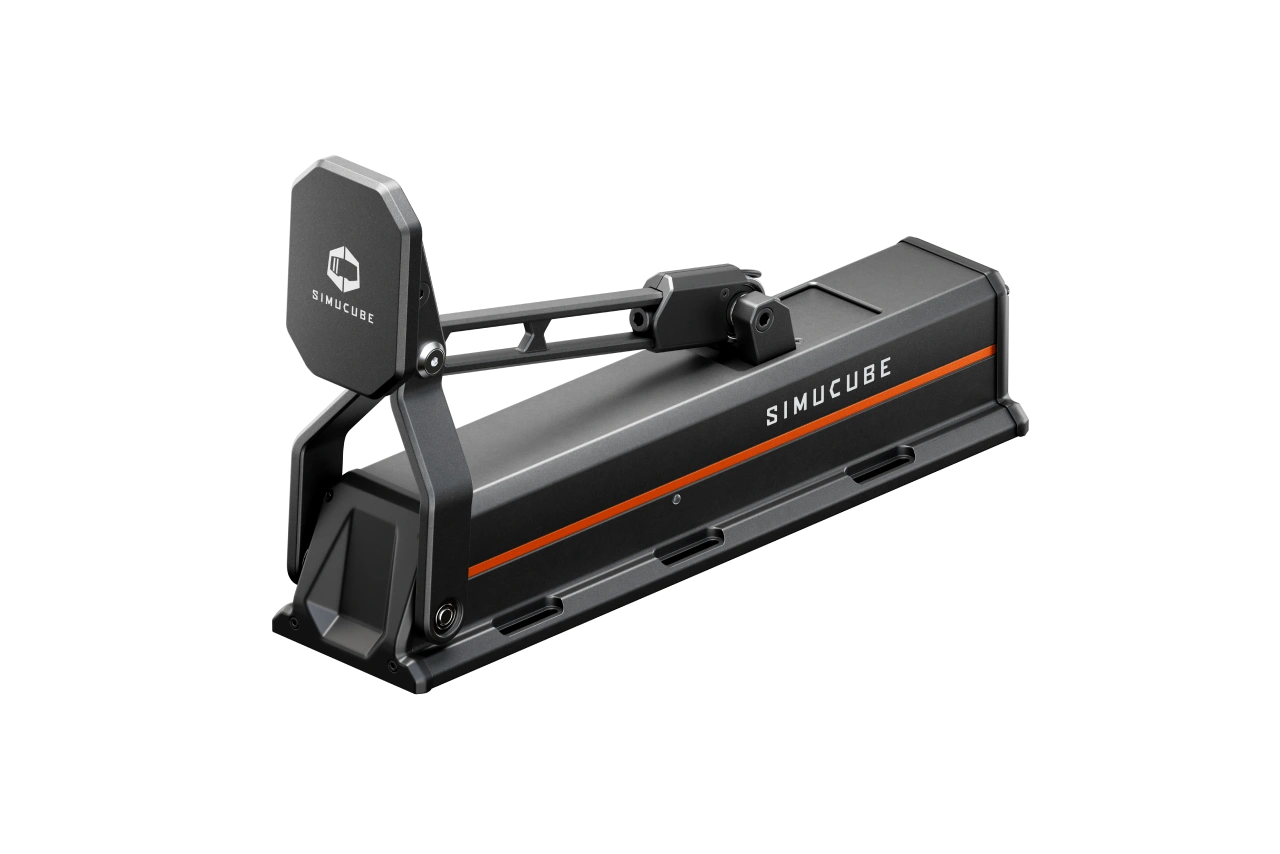
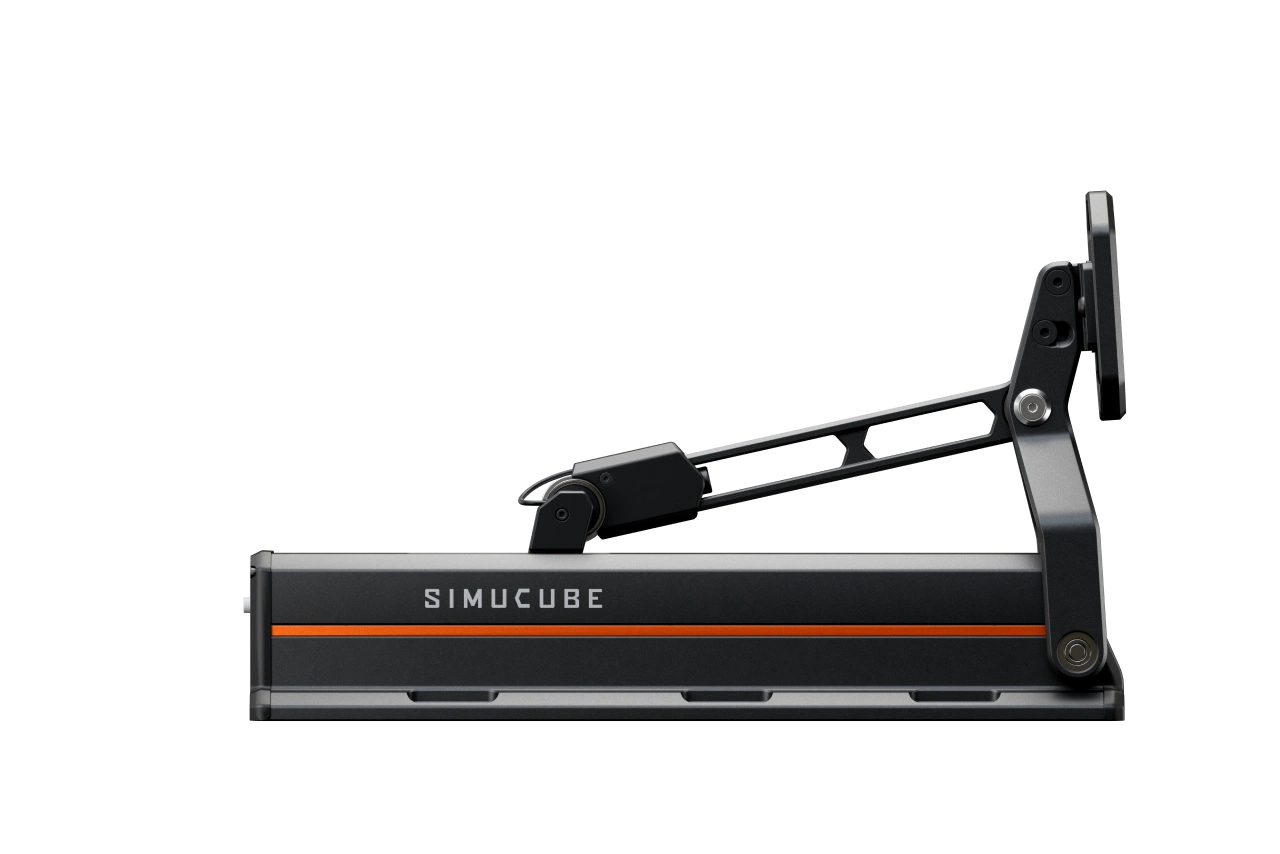
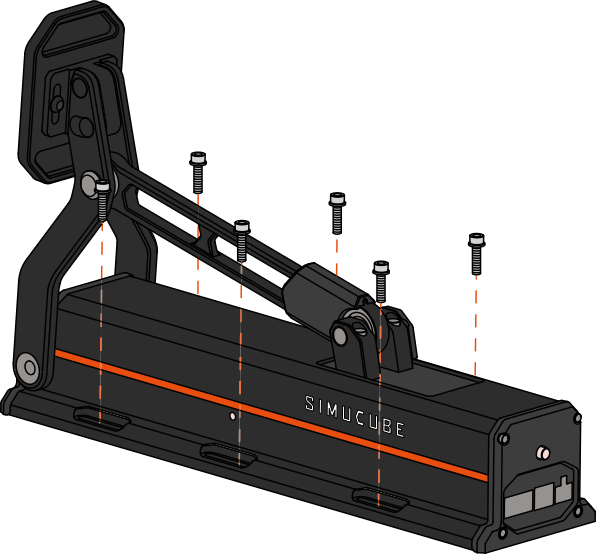
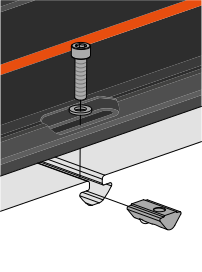
Real product proof: the size, mounting, and control box are part of the purchase

The short answer
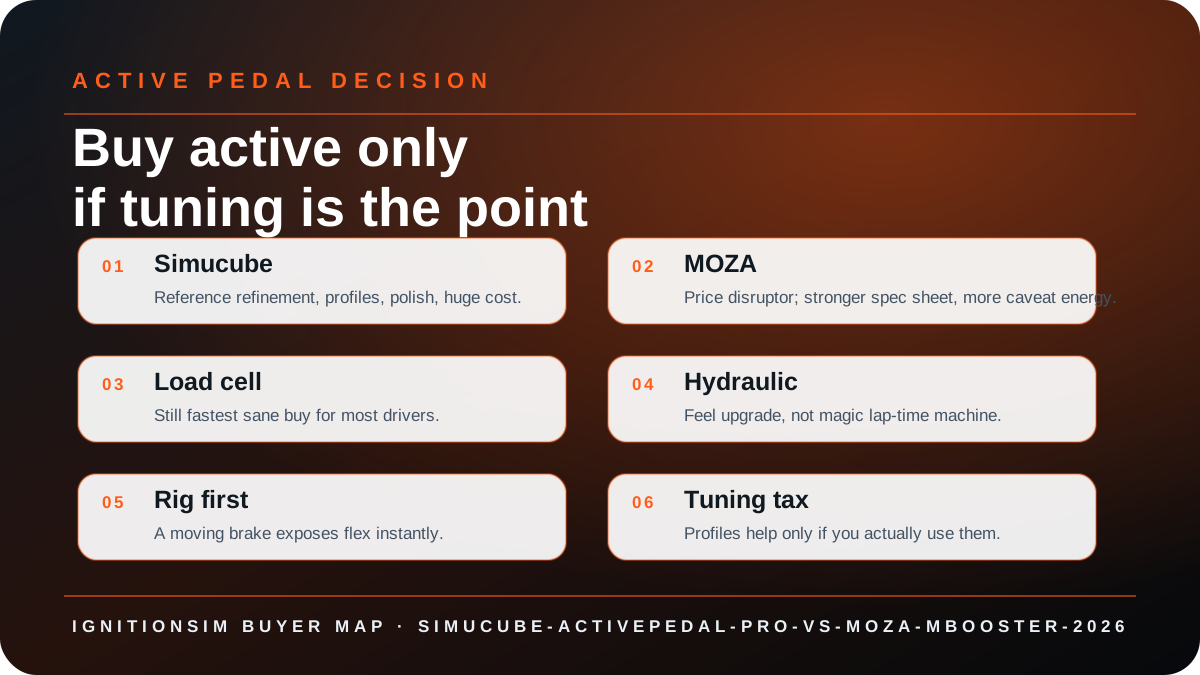
Simucube is the lower-regret flagship. MOZA is the value disruptor. Load cell is still the best ROI. Hydraulic is the feel-first middle lane. If you are new enough that you are still moving your brake pedal every week, do not buy active yet.
The recurring serious-racer pattern is not “active pedal made me fast.” It is “active pedal made tuning easier after I already knew what brake feel I wanted.” That difference matters.
Simucube ActivePedal Pro
The Simucube ActivePedal Pro is the one people measure against because it feels less like a spec-sheet stunt and more like a mature system. Simucube lists software-defined force/travel, up to 110 kg of force, 5-74 mm travel, and Simucube Link/passive pedal integration. The buy case is profile control and feedback refinement.
What Simucube is charging for
The ActivePedal Pro is physically large: Simucube publishes dimensions of 100 x 255 x 418 mm, a product weight just under 6 kg, six M5 mounting slots, up to 110 kg of force, and up to 74 mm of travel. It can be assigned as brake, throttle, or clutch and appears to a PC as a standard USB game controller. That last point is important: basic pedal input is broadly compatible, while telemetry effects are a separate support question.
The expensive part is not merely a motor resisting your foot. The software can define the force-travel curve, friction, damping, dead zones, role, and output mapping. Supported telemetry can drive ABS, traction control, G-force, RPM, lockup, and other effects. Simucube’s own documentation warns, in effect, that the active effect set varies by game. Brake-threshold vibration and clutch bite-point cues can work without telemetry; a specific title’s ABS or lockup signal may not.
That makes the Pro appealing to three kinds of builder. The first changes between cars with meaningfully different pedal behavior. The second coaches or shares a rig and needs repeatable profiles. The third enjoys tuning as part of the hobby. A single-car driver who wants one stable brake can buy a superb passive set for far less and spend the difference on cockpit, display, coaching, or track time.
MOZA mBooster
MOZA mBooster is the reason this category suddenly feels less absurd. It brings active force feedback, software profiles, and strong sensor specs far below Simucube money. That does not make it automatically better. It makes it the aggressive value play where early-owner reports, firmware maturity, and ecosystem fit matter more.
What MOZA changes in the equation
MOZA’s current US product page lists a regular price materially below Simucube and describes a servo/ball-screw active system, dual 200 kg load cells, and software-defined roles and effects through Pit House. The official support page is more useful than the sales copy because it exposes the setup reality: external power is required; a MOZA-base setup can use RJ45; a third-party-base setup connects by USB; up to three mBoosters can be linked; and mixed CRP2/mechanical configurations have their own baseplate and extension-plate rules.
The same support page also documents a firmware-specific overheating/loss-of-feedback symptom after one update path and tells affected owners to recalibrate the motor. That is not a reason to declare the product bad. It is exactly why a lower-priced active system still requires a return window, known-good firmware notes, exported profiles, and a willingness to troubleshoot. The mBooster is a strong value proposition for the buyer who accepts that active-pedal ownership is partly software ownership.
MOZA publishes different angle-sensor descriptions across product/support material, so we do not use the bit-depth number as a deciding claim. Sensor marketing is not more useful than repeatable calibration, stable firmware, supported telemetry, and whether the complete pedal/baseplate system fits the rig.
The comparison that matters after checkout
| Ownership question | Simucube ActivePedal Pro | MOZA mBooster | Good load-cell set |
|---|---|---|---|
| Pedal feel | Fully software-defined | Fully software-defined | Mechanical elastomer/spring adjustment |
| Telemetry effects | Deep Tuner effect system; title/effect support varies | Pit House effects; title/effect support varies | Usually external haptics if desired |
| Mechanical fit | 418 mm deep; six M5 slots; Link ecosystem | Long active body; official baseplate paths matter | Usually easier and shallower |
| Setup tax | High, but mature documentation | High, with firmware and mixed-pedal caveats | Low to medium |
| Best use | Profiles, coaching, car switching, feedback experimentation | Lower-cost entry into active pedals | Reliable braking and skill development |
| Failure mode to plan for | Software/profile/telemetry troubleshooting | Firmware, calibration, power and connection troubleshooting | Elastomer wear, sensor calibration, flex |
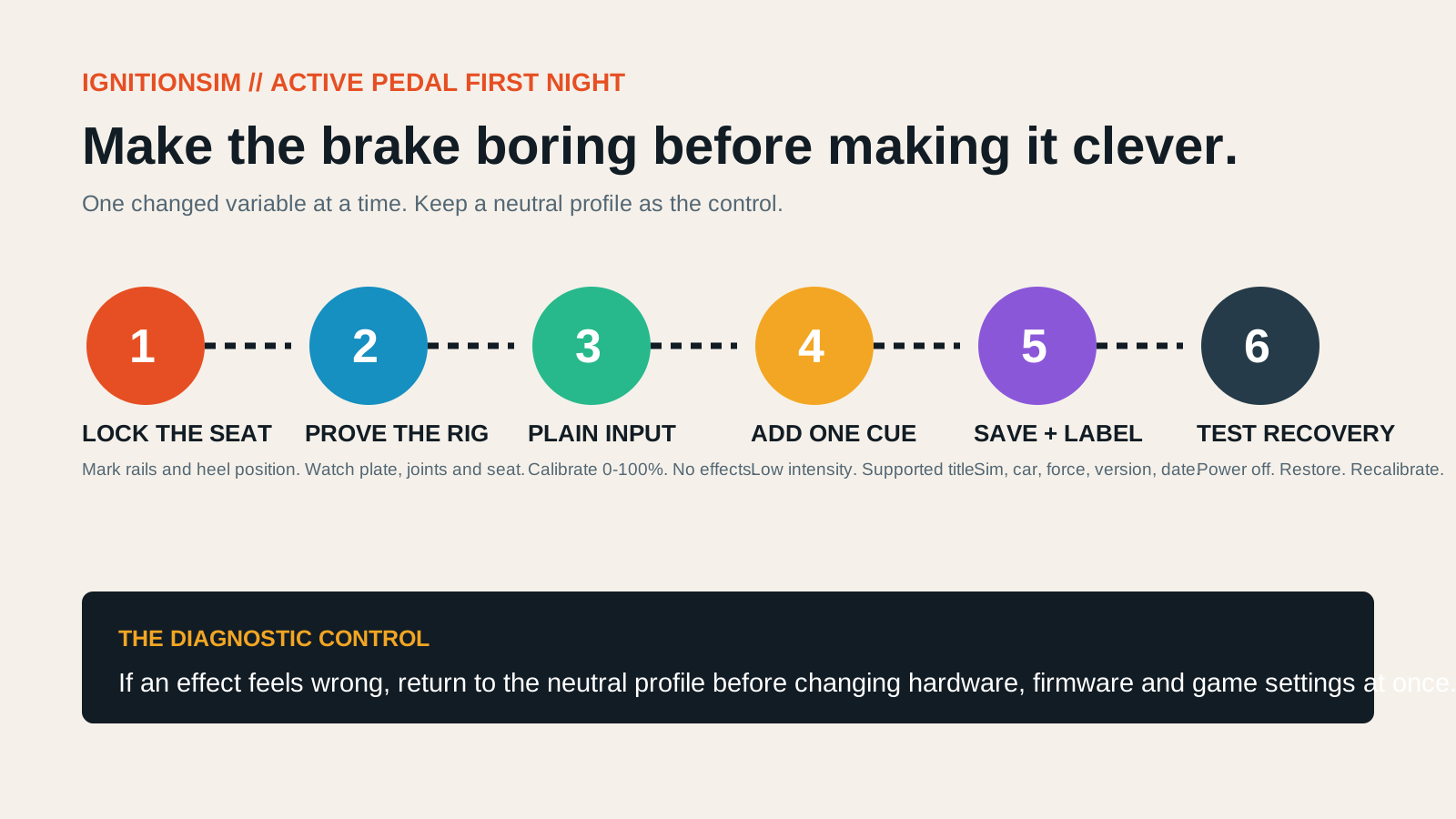
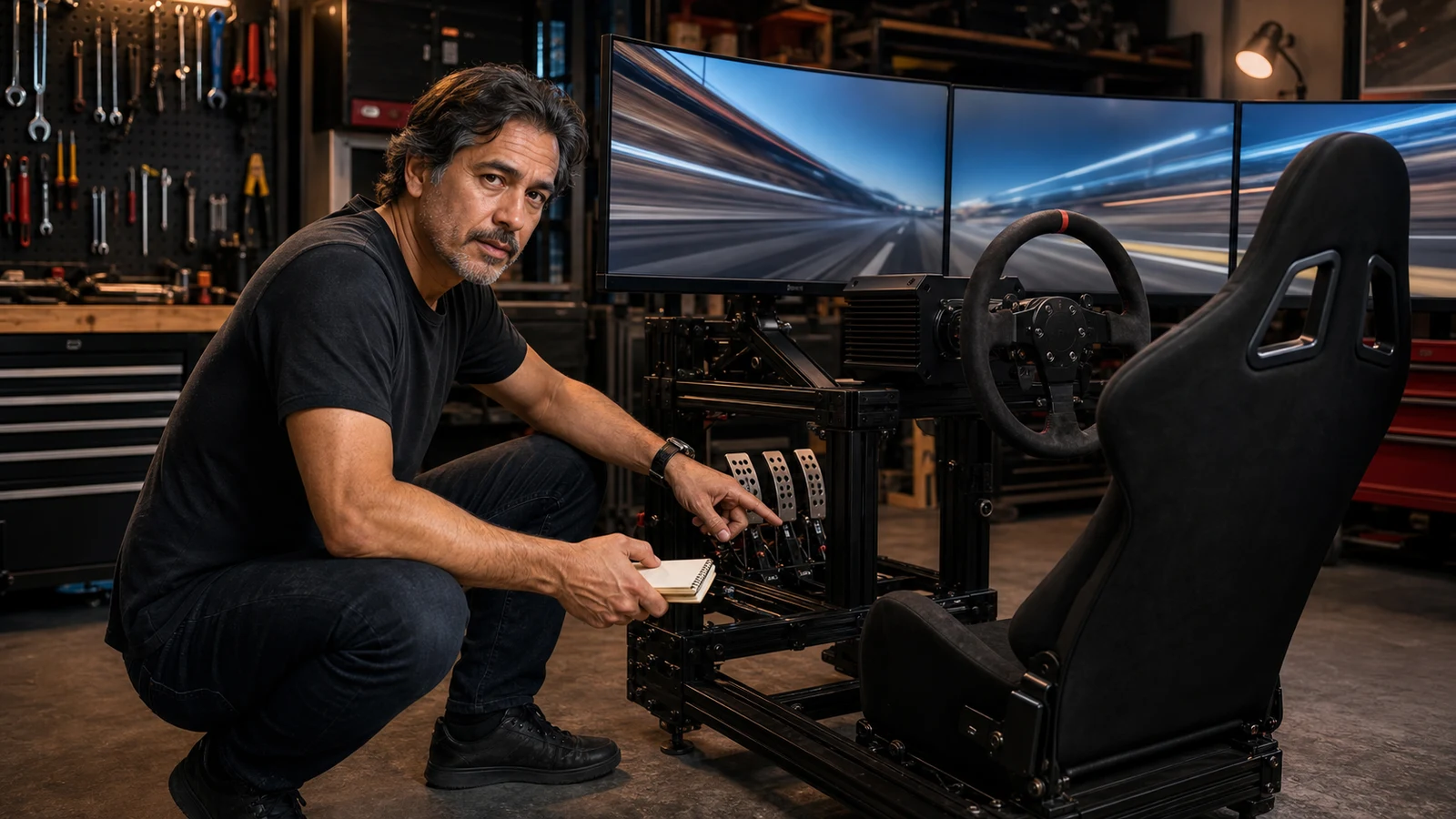
Commission one neutral brake before chasing effects
Lock the body position. Set seat distance, back angle, pedal-face height, heel support, and lateral position. Mark the seat rails. If the body moves, the force curve is not the only changing variable.
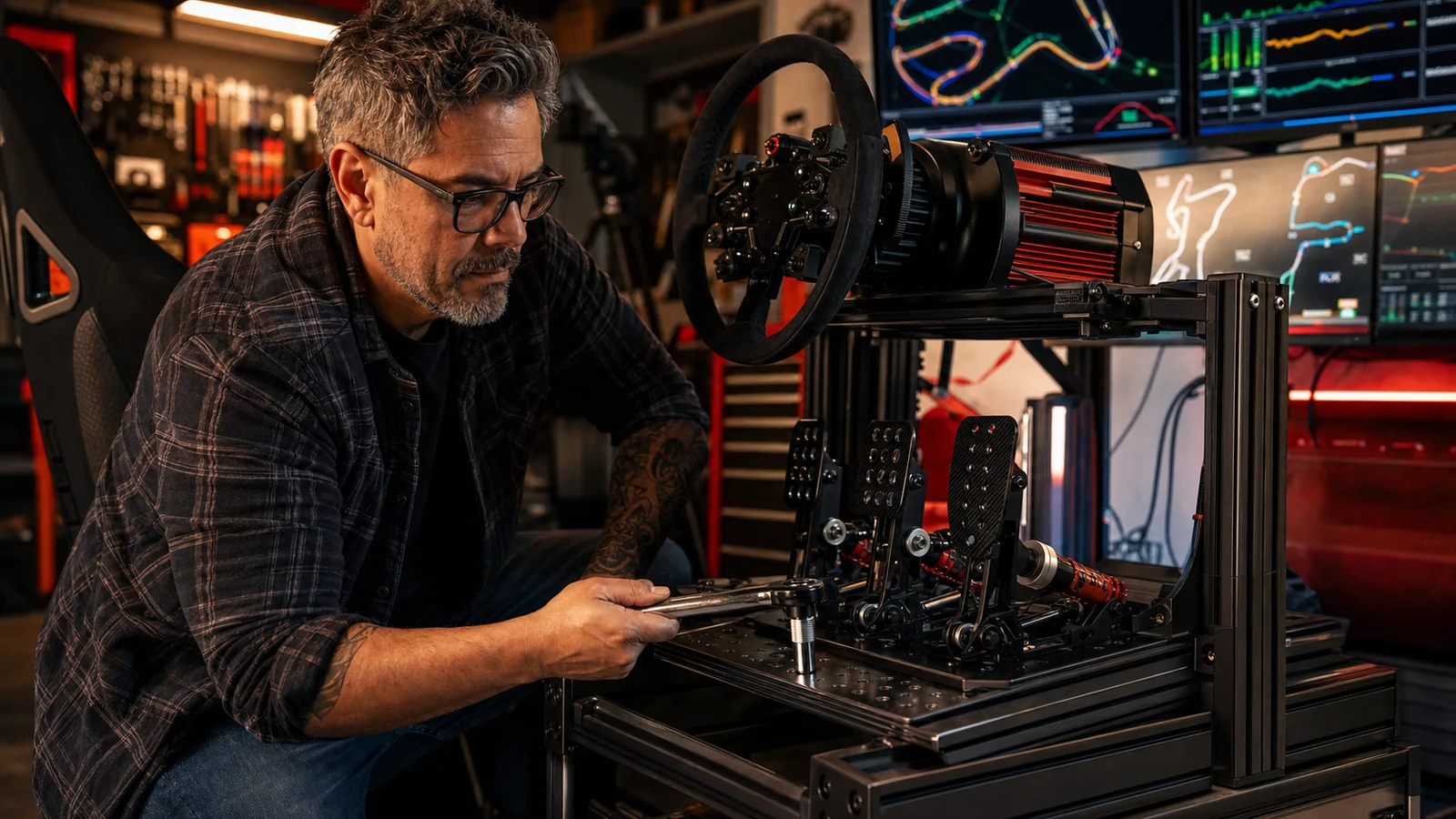
Prove the structure. Press beyond the force you expect to use while another person watches the pedal plate, profile joints, and seat. Active hardware can deliver excellent information through a bad mounting surface; it just arrives mixed with flex.
Calibrate plain input. Create a neutral brake with no telemetry effects. Set a force ceiling you can repeat ten times without lifting your hip or bracing on the wheel. Confirm 0% and 100% input in both the pedal software and simulator.
Add one cue. Begin with a low-intensity threshold or ABS cue in a title known to support it. Drive enough laps to decide whether the cue changes a decision. If it merely makes the pedal feel busy, reduce or remove it.
Save and label. Include simulator, car class, pedal role, maximum force, effect set, date, and software version in the profile name or notes. Export the known-good profile before firmware changes. Keep the neutral profile as the diagnostic control.
Test failure recovery. Know how to stop the pedal, remove power, recalibrate, and restore a profile. Route the power and data cables so a moving seat or heel cannot pull them. An active brake is not the place for a mystery extension cord under the rig.
What owners love, and what wears them down
The strongest buy case is repeatability without mechanical surgery. A GT brake can be longer and progressive; a formula profile can be short and firm; a road-car clutch can have a defined bite cue. Shared rigs can return to a known setting. Drivers who understand their braking can use a threshold vibration as a training instrument rather than a party trick.
The fatigue comes from option overload. Too many effects can turn the footwell into noise. Telemetry support is not universal. Firmware, power, software, and a motor add failure points that a passive load-cell brake simply does not have. The physical units are deeper and heavier than many buyers expect. And because the product is fascinating, it is easy to spend a weekend tuning sensations while avoiding the lap analysis that would actually improve consistency.
Keep one boring, known-good brake and one experimental profile. When the exciting one feels wrong, the boring one tells you whether the problem is the game, the firmware, the effect, or your imagination.
Buy now, buy later, or skip
Buy Simucube now when the rig is already rigid, the budget includes the baseplate/Link path, and profile control is a real need. It is the lower-regret premium route because the hardware, documentation, mapping, and effect system form a coherent product.
Buy MOZA with caveats when active feedback is the feature you want but Simucube pricing ends the conversation. Use official mounting drawings, confirm the complete connection plan, record the shipped firmware, and test every required simulator inside the return window.
Buy a load cell instead when the current brake is entry-level, the cockpit flexes, the seating position moves, or you cannot name the problem active feedback will solve. A strong passive brake is not the consolation prize. For most drivers it is still the rational endpoint.
Skip the second active pedal initially. One active brake plus a compatible passive throttle captures most of the decision value. Add active throttle or clutch only after you can explain which profile/effect requires it.
Who should not buy active
Skip active if your cockpit flexes, your seating position changes, your brake calibration is inconsistent, or your current load-cell pedal is still underused. Active pedals amplify setup slop. They do not cure it.
| Buyer | Better choice | Why |
|---|---|---|
| New DD racer | Load-cell brake | Best skill ROI |
| Serious car-hopper | Active pedal | Profiles and feel changes matter |
| Endurance driver | Simucube ActivePedal Pro | Refinement and repeatability |
| Budget experimenter | MOZA mBooster | Active tech at lower risk |
| Real-car feel chaser | Hydraulic pedals | Better feel without active tuning tax |
The weekend-killer warnings
Active pedals add software, power, firmware, mounting load, and tuning. Budget time for profiles, game effects, and pedal-force calibration. A perfect active pedal bolted to a weak pedal plate is still a bad brake.
The first setup session should establish one neutral brake profile, not twelve car imitations. Fix seat distance and heel position, set a force ceiling you can repeat without hip movement, then add ABS and texture effects at low amplitude. If every effect is loud, none of them is information. Export the working profile before firmware changes and keep a plain load-cell profile as the diagnostic baseline.
Sources checked
Source review date: July 13, 2026. Hard specifications, mounting, software, and current caveats were checked against the Simucube ActivePedal Pro product page, Simucube specification sheet, mounting documentation, first-use guide, input-mapping guide, effects guide, game-telemetry support matrix, Tuner change log, MOZA mBooster product page, MOZA mBooster support and known-issue page, MOZA pedal manuals/tutorials, and MOZA mounting diagrams. Manufacturer claims are specifications, not independent lap-time evidence.
Key takeaways & quick answers
IgnitionSim is reader-supported. When you buy through links on our site we may earn an affiliate commission at no extra cost to you — it never changes our verdict or your price. As an Amazon Associate we earn from qualifying purchases.
Keep reading
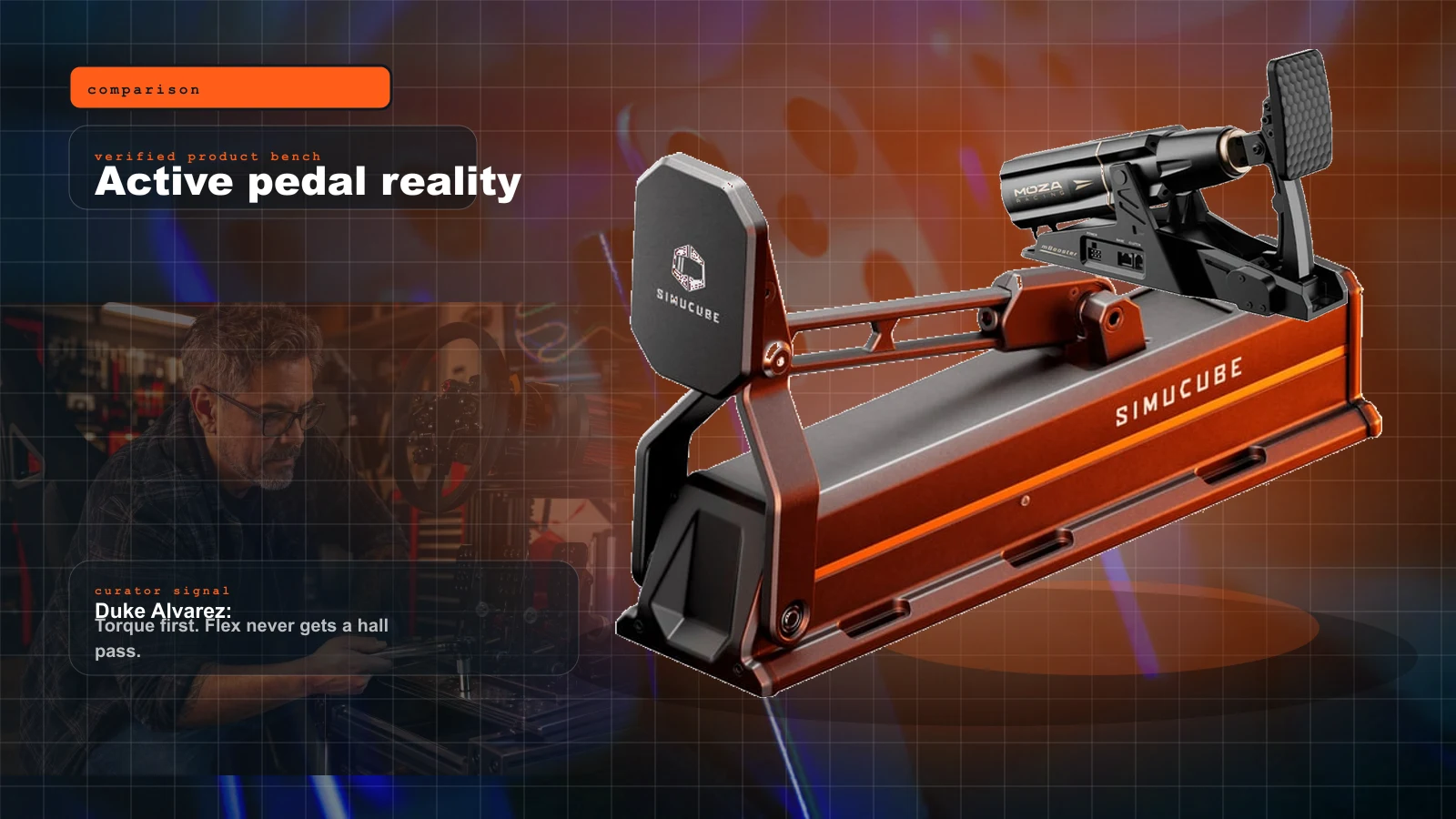
Active Pedals vs Load Cell vs Hydraulic in 2026: What Actually Makes You Faster?
Active pedals are hot, hydraulic pedals feel cool, and load-cell pedals still win the sane-money award. Here is the blunt upgrade ladder.
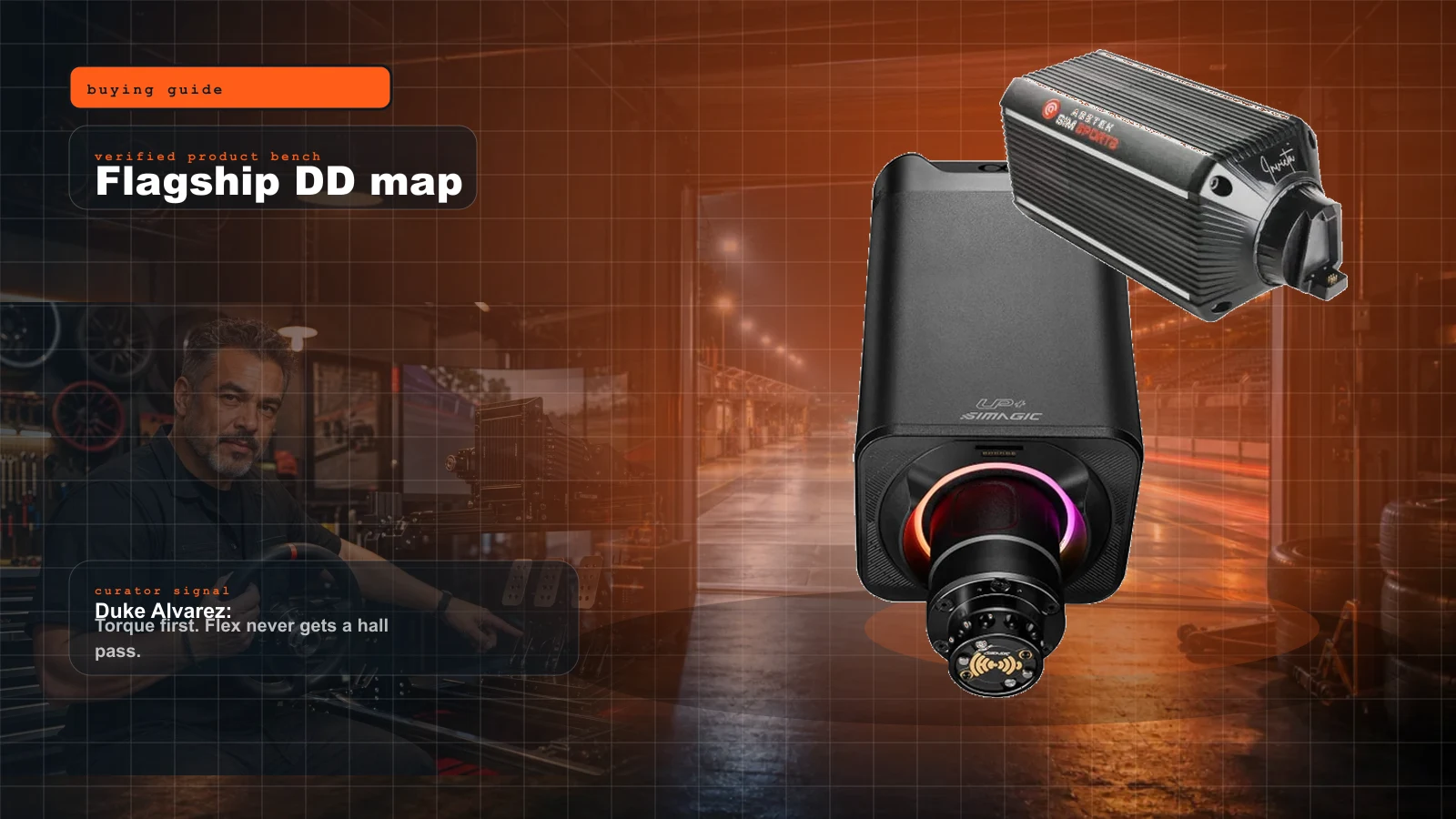
Flagship Direct Drive Wheelbase Buyer Map 2026: Simucube vs Asetek vs Simagic vs Fanatec
Past 12 Nm, torque gets cheap and clean detail gets expensive. Duke maps Simucube, Asetek, Simagic, Fanatec, and the point where you should stop spending.
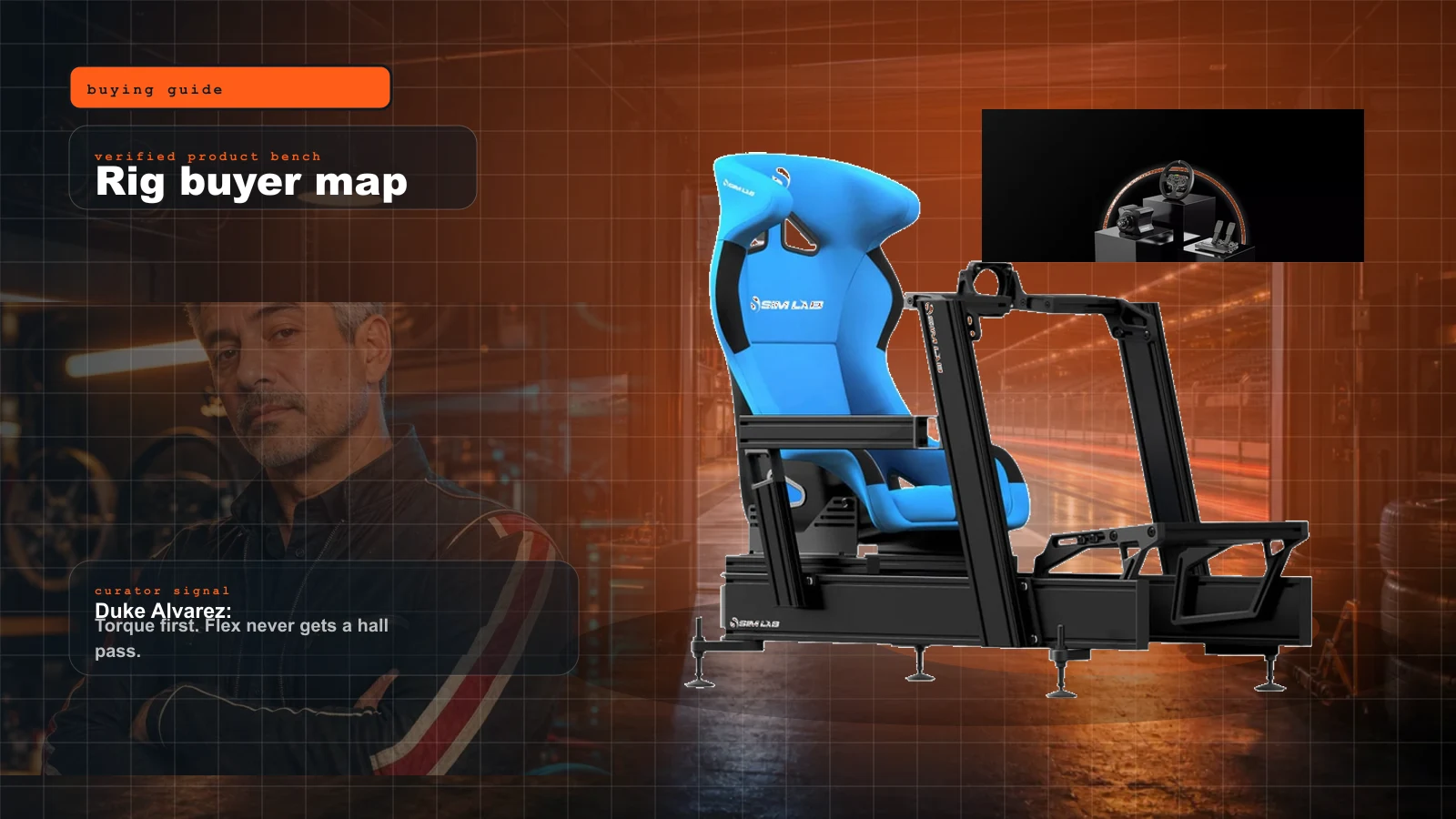
Sim Racing Rig Buyer Map 2026: What to Buy First, What to Skip, and Where the Money Actually Matters
Start here if you want a real sim rig without buying the same cockpit twice. Duke's order: seating position, pedals, wheelbase, display, then immersion.
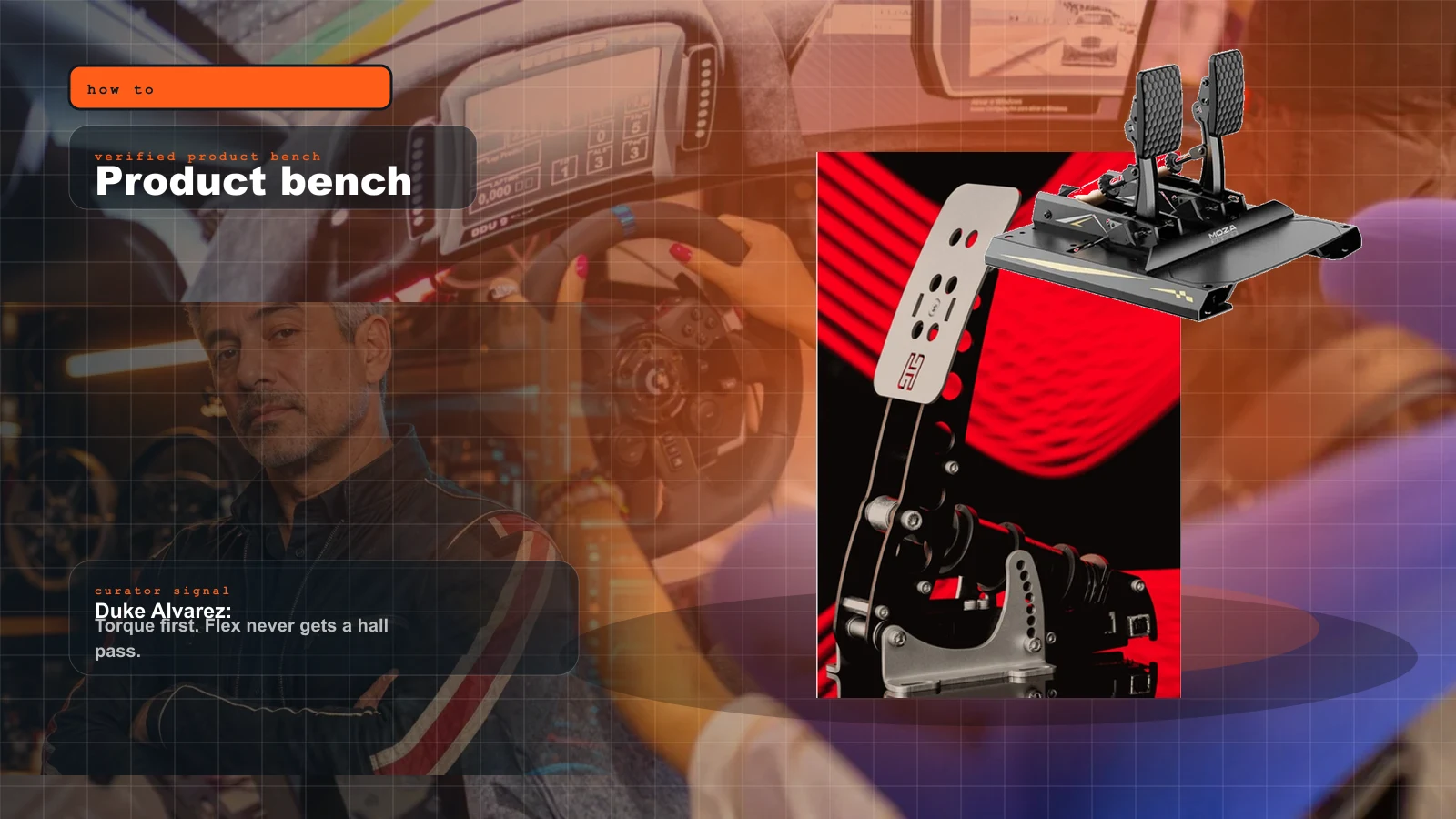
Pedals Over Power: Why Load-Cell Pedals Beat a Stronger Wheelbase in 2026
A consistent brake wins more lap time than raw torque. The load-cell pedal path from budget to luxury, how to set the brake, and when hydraulic or active is worth it.