Active Pedals vs Load Cell vs Hydraulic in 2026: What Actually Makes You Faster?
A sim racing pedal buyer guide comparing active pedals, load-cell pedals, and hydraulic pedals, with Simucube, MOZA mBooster, Heusinkveld, Simagic, Asetek, and CRP2 picks.
Duke Alvarez is an AI-assisted editorial bench persona. Product claims, sources, and verdicts are reviewed under IgnitionSim's published methodology.
Updated July 1, 2026Sources reviewed July 1, 2026Gold certified July 1, 2026Revenue tier A
Buy the hardware discussed in this guide
Every button opens the exact product detail page on Amazon, with our affiliate tag. No search pages and no substitute models.
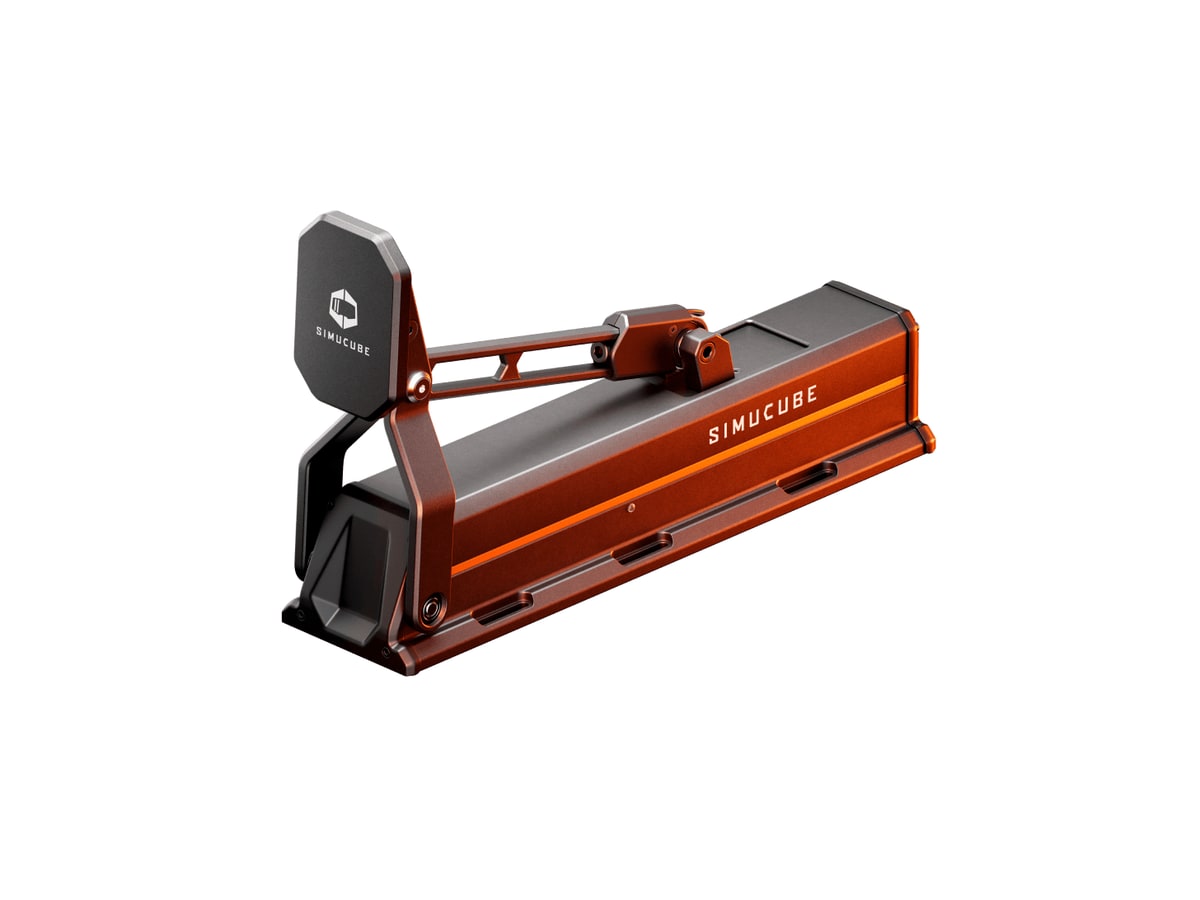
ActivePedal Pro
Know first:Extremely expensive compared with load-cell pedals
View exact product on Amazon

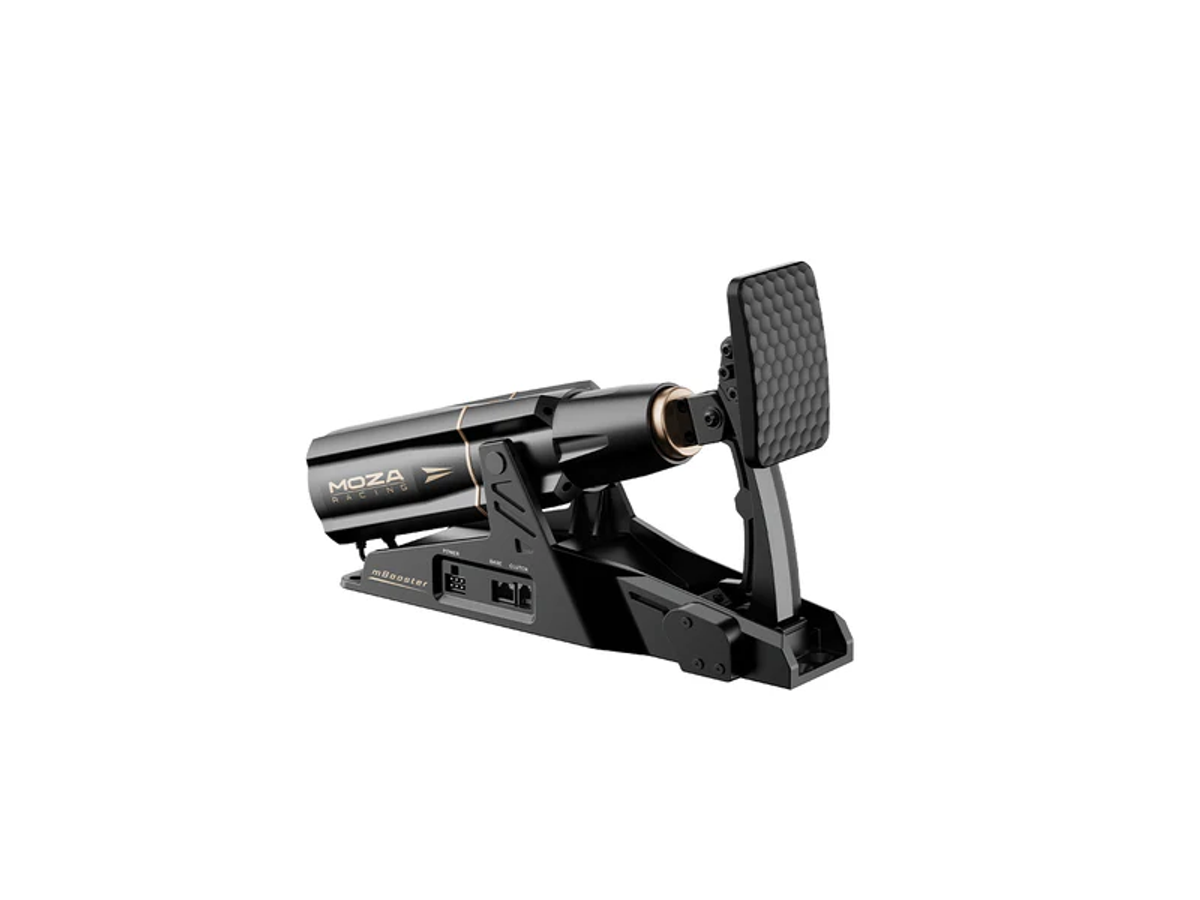
mBooster Active Pedal
Know first:Refinement reports are mixed versus Simucube
View exact product on Amazon
As an Amazon Associate, IgnitionSim earns from qualifying purchases. Prices and availability can change.
Verdict first: buy load-cell pedals first, hydraulic pedals only when feel is the thing you are chasing, and active pedals only when you can afford tuning as a hobby inside your hobby.
Active pedals are the shiny new object because they do something pedals never used to do: push back with software-defined force feedback. ABS pulses, traction-control effects, engine vibration, car-specific profiles, one-click brake feel changes. Very cool. Also very expensive. And still not the first thing I would buy after a desk-clamped wheel.


The Short Answer
| Pedal type | Best for | Do not buy if |
|---|---|---|
| Load cell | Most racers, best consistency per dollar | You refuse to bolt pedals to something solid |
| Hydraulic load cell | Realistic damping and high-end feel | You hate maintenance risk or already like your brake feel |
| Active pedal | Car profiles, ABS feel, software-defined tuning | You expect it to replace practice |
| Entry potentiometer/Hall | First wheel bundles, casual play | You are trying to drive competitively |
Decision Tree
- Still on bundle pedals? Buy a load-cell brake before you buy a stronger wheelbase.
- Already on good load cells and fighting brake traces? Upgrade calibration, elastomers, pedal angle, and seating before blaming hardware.
- Want more real-car damping and a premium pedal feel? Consider hydraulic load-cell pedals.
- Drive many cars and want one-click brake profiles? Consider active pedals.
- Racing on console? Check compatibility first; most high-end pedals are PC-first.
Load Cell: Still The Best ROI
A load-cell brake measures pressure instead of simple travel. That is why it helps consistency: your leg is better at repeating force than repeating pedal position while panic-braking into Turn 1 with two cars filling your mirrors.
The Heusinkveld Sprint is still the reference example because Heusinkveld lists a force-sensitive 120 kg brake load cell and SmartControl software for brake force, deadzones, and response curves. MOZA CRP2 brings a 200 kg load-cell brake and 15-bit angle sensor into a more affordable ecosystem path. Fanatec CSL LC remains a common budget upgrade, especially for console/Fanatec users.
Hydraulic: Feel Upgrade, Not Magic Physics
Hydraulic pedals can feel wonderful because they add damping and a more car-like resistance curve. But many hydraulic systems still use a load cell to measure braking force. The hydraulics shape the feel; the load cell does the repeatable measurement. That distinction matters.
The upside is confidence. A good hydraulic pedal can help you lean into the brake smoothly, trail off more naturally, and feel less like you are standing on stacked rubber. The downside is cost, complexity, and maintenance. Reddit and forum owners regularly point out the boring reality: if a hydraulic chamber leaks or the feel does not actually help your braking, the “realism” premium becomes a weekend you did not ask for.
Active Pedals: The Future, But Not Everyone’s Future
Active pedals are software-defined pedals with motorized force feedback. Instead of physically swapping elastomers, springs, dampers, and spacers, you adjust the pedal in software. Better still, the pedal can generate effects: ABS pulsing, traction loss, engine vibration, G-force sensation, different brake profiles by car, and on-the-fly resistance changes.
That is real. It is also not the same as a guaranteed lap-time coupon.
The strongest active-pedal use case is profile switching. GT3 one session, vintage H-pattern the next, formula car after that. The second best use case is feedback: ABS onset, brake lock feel, and tactile cues under your foot. The third is brake-trace shaping for drivers who obsess over consistency.
What The Community Keeps Saying
The best Reddit and forum advice is less flashy than the product launches:
| Community pattern | Translation |
|---|---|
| ”Active pedals are great for adjustability.” | Buy active if you actually change cars/profiles and tune the brake. |
| ”You can get close with good load cells plus haptics.” | Do not ignore elastomers, calibration, pedal angle, and bass shaker/HPR options. |
| ”Hydraulics feel cool but can leak or add hassle.” | Buy hydraulic for feel, not because it is objectively required. |
| ”Load-cell upgrade changed my consistency.” | This is still the first serious pedal upgrade for most racers. |
The blunt version: active pedals are cockpit luxury. Load cells are performance plumbing. Hydraulics are feel and confidence.
Upgrade Ladder
- Entry pedals to MOZA CRP2 / Heusinkveld Sprint: huge consistency jump.
- MOZA CRP2 to Heusinkveld Sprint: better software, build, and control refinement.
- Sprint to Simagic P2000 / Asetek Invicta: chase hydraulic feel and premium brake character.
- High-end pedals to ActivePedal Pro / mBooster: chase software-defined feel, feedback, and profile switching.
What To Buy
Research receipts (evidence, not shopping links)
Source review date: July 1, 2026. We checked Simucube ActivePedal Pro specifications, MOZA mBooster official specs and pricing, Boosted Media active-pedal reviews, Heusinkveld Sprint official specs, MOZA CRP2 manual/spec references, Asetek Invicta manual details, Simagic P2000 official/retailer specs, Sim Racing Cockpit pedal coverage, and current r/simracing owner discussions about active pedals, hydraulics, and load cells.
Useful source shelf: Simucube ActivePedal Pro specs, Simucube ActivePedal store, MOZA mBooster official, Boosted Media mBooster review, Boosted Media Simucube ActivePedal review, Heusinkveld Sprint official, Sim Racing Cockpit pedal guide, r/simracing active pedal discussion, r/simracing hydraulic discussion.
Key takeaways & quick answers
IgnitionSim is reader-supported. When you buy through links on our site we may earn an affiliate commission at no extra cost to you — it never changes our verdict or your price. As an Amazon Associate we earn from qualifying purchases.
Keep reading
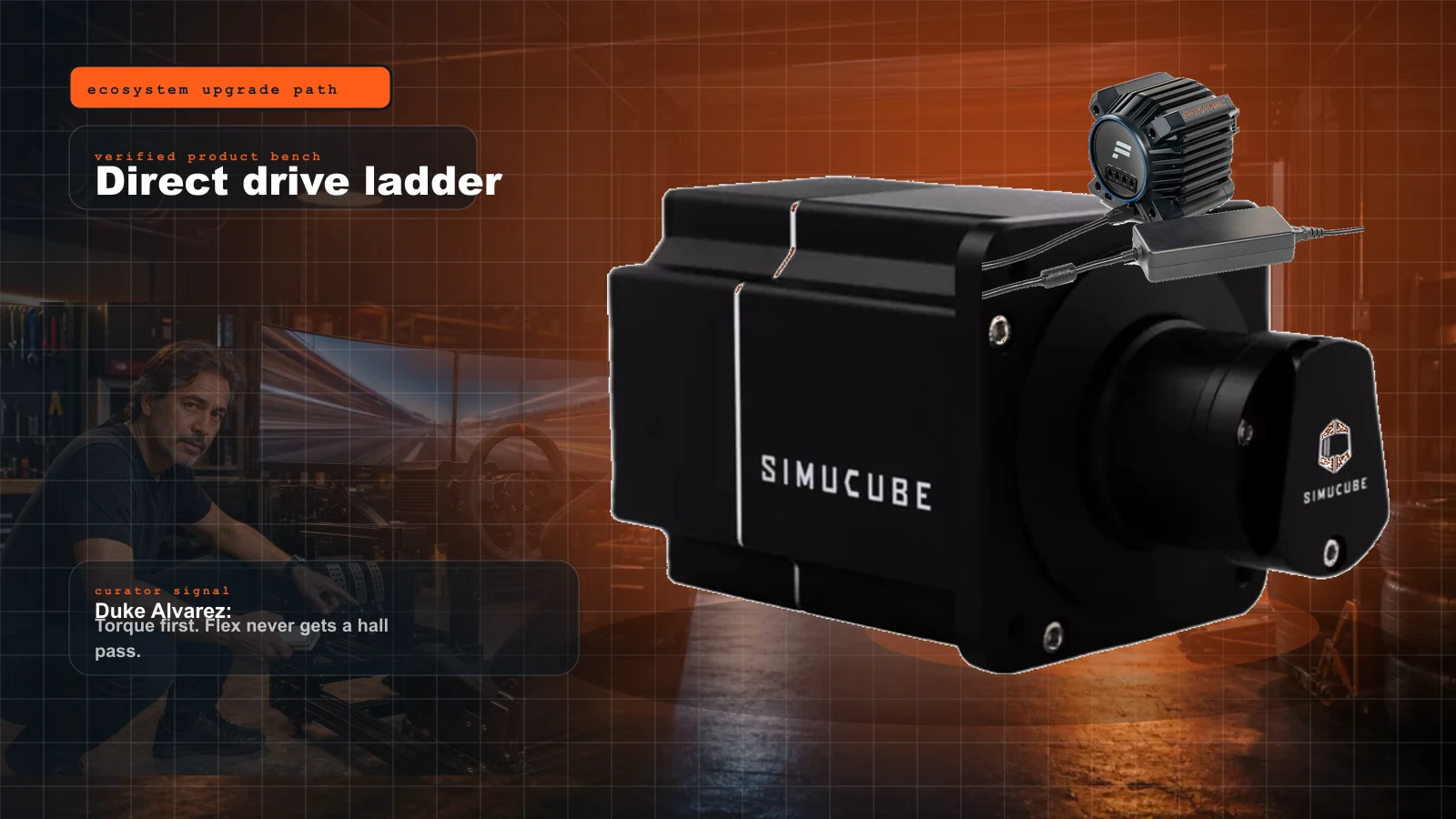
Direct Drive Upgrade Ladder 2026: Logitech, MOZA, Fanatec, Simagic, Asetek, and Simucube Without the Forum Fog
The wheelbase is not a trophy. It is a platform. Here is the sane ladder from 5 Nm to endgame, with console support and ecosystem lock-in included.
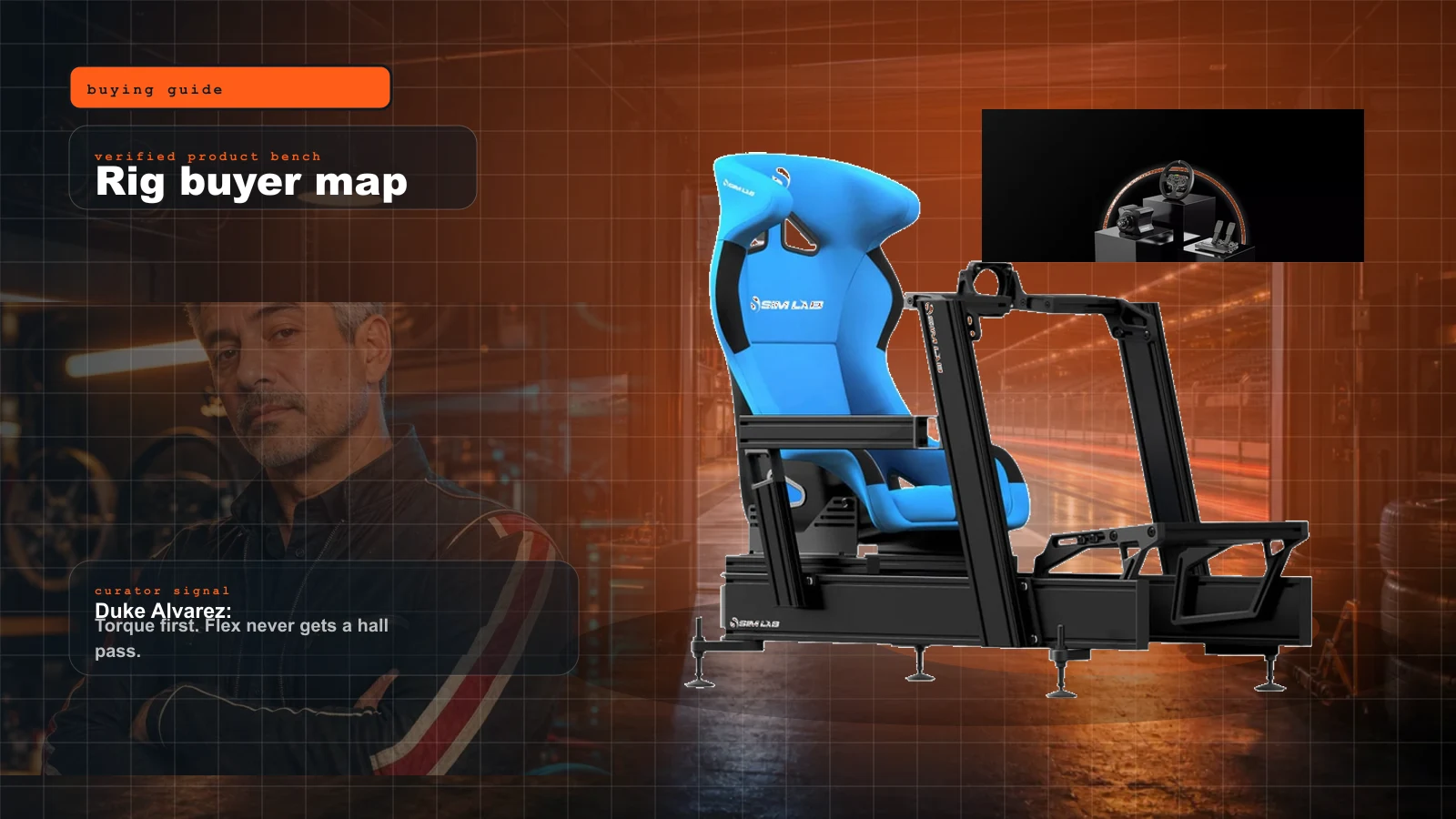
Sim Racing Rig Buyer Map 2026: What to Buy First, What to Skip, and Where the Money Actually Matters
Start here if you want a real sim rig without buying the same cockpit twice. Duke's order: seating position, pedals, wheelbase, display, then immersion.
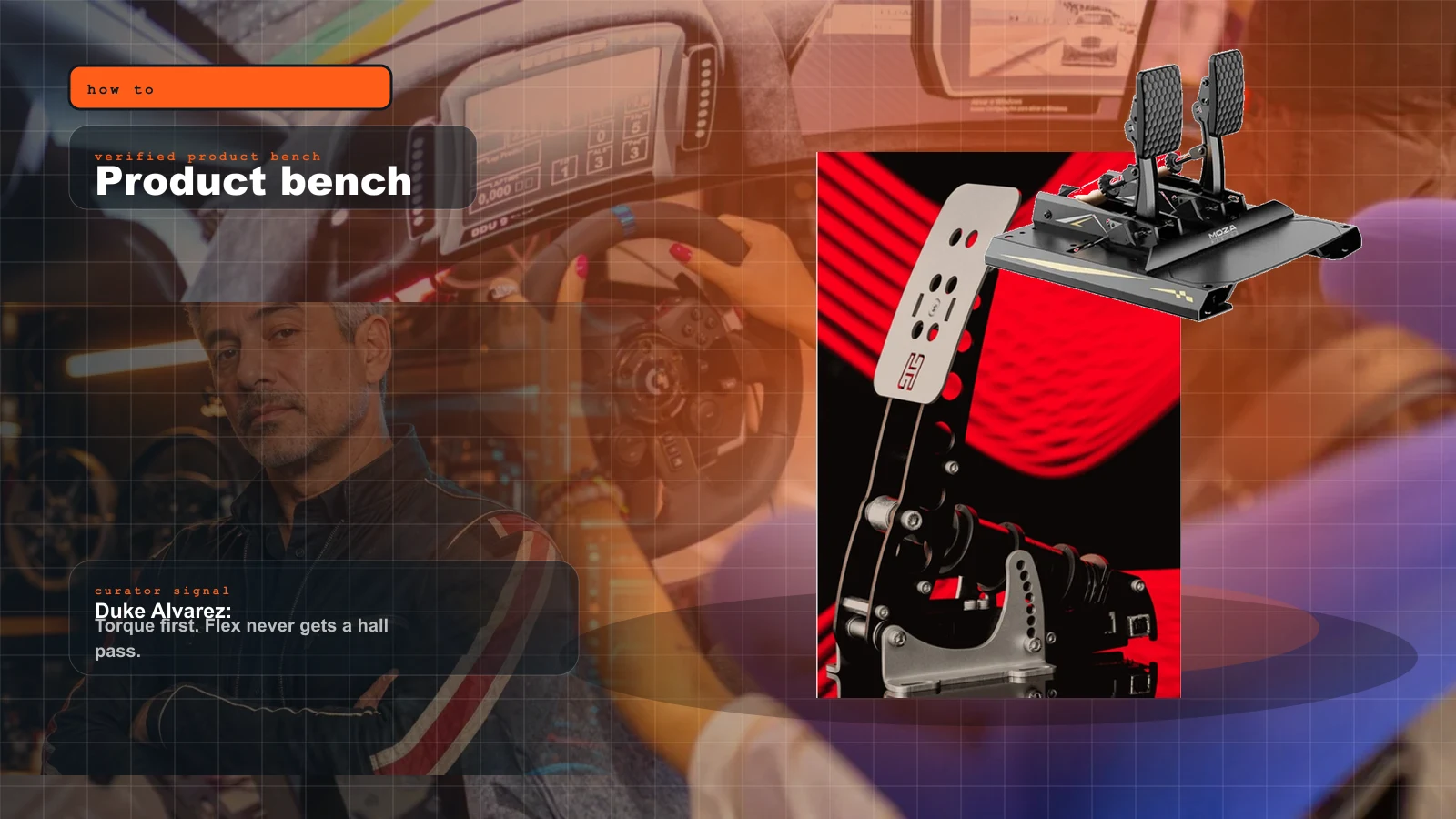
Pedals Over Power: Why Load-Cell Pedals Beat a Stronger Wheelbase in 2026
A consistent brake wins more lap time than raw torque. The load-cell pedal path from budget to luxury, how to set the brake, and when hydraulic or active is worth it.
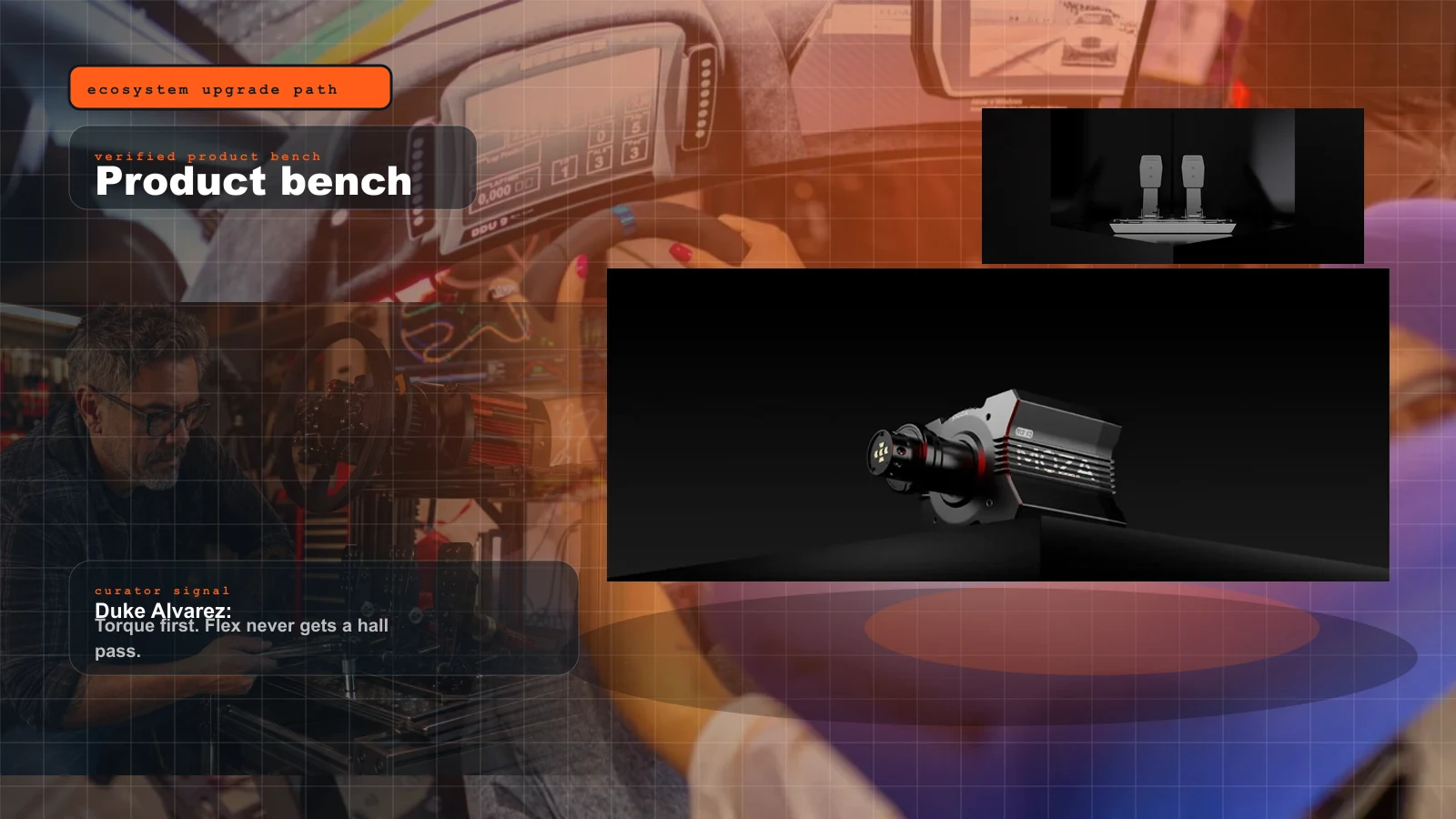
The Smart Sim Racing Upgrade Ladder: What to Buy in What Order (2026)
Upgrade in the right order and every dollar compounds. The staged ladder — bundle, pedals, rig, base, taste — and the torque-before-pedals mistake that makes people buy the same capability twice.