
Flagship Direct Drive Wheelbase Buyer Map 2026: Simucube vs Asetek vs Simagic vs Fanatec
Flagship direct drive wheelbase guide for 2026: Simucube 2 Sport, Asetek Invicta, Simagic Alpha Evo Ultra, Fanatec ClubSport DD+, torque, detail, rig requirements, and what to buy.
Duke Alvarez is an AI-assisted editorial bench persona. Product claims, sources, and verdicts are reviewed under IgnitionSim's published methodology.
Updated July 13, 2026Sources reviewed July 13, 2026Gold certified July 8, 2026Revenue tier A
Buy the hardware discussed in this guide
Every button opens the exact product detail page on Amazon, with our affiliate tag. No search pages and no substitute models.

As an Amazon Associate, IgnitionSim earns from qualifying purchases. Prices and availability can change.
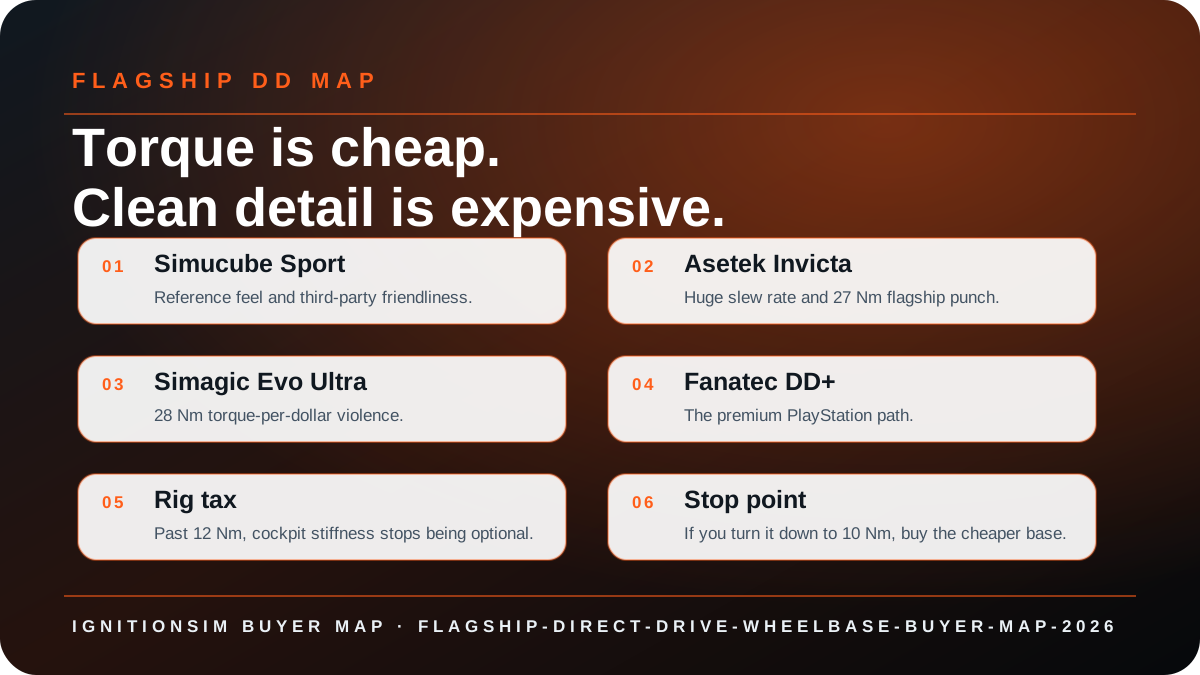
Verdict first: buy Simucube if you want the lowest-regret PC reference, Asetek Invicta if you want huge-force response and ecosystem polish, Simagic Alpha Evo Ultra if torque-per-dollar is the game, and Fanatec ClubSport DD+ if PlayStation support matters. Do not buy a flagship wheelbase because the number is larger. Buy it because the rest of the rig can tell the truth.
Past 12 Nm, the problem changes. You are no longer trying to escape toy-wheel mush. You are deciding how much clean headroom, slew rate, ecosystem lock-in, quick-release confidence, and rig stiffness you want to pay for. Torque is not the whole product. Torque is the loud part of the product.

The high-end split
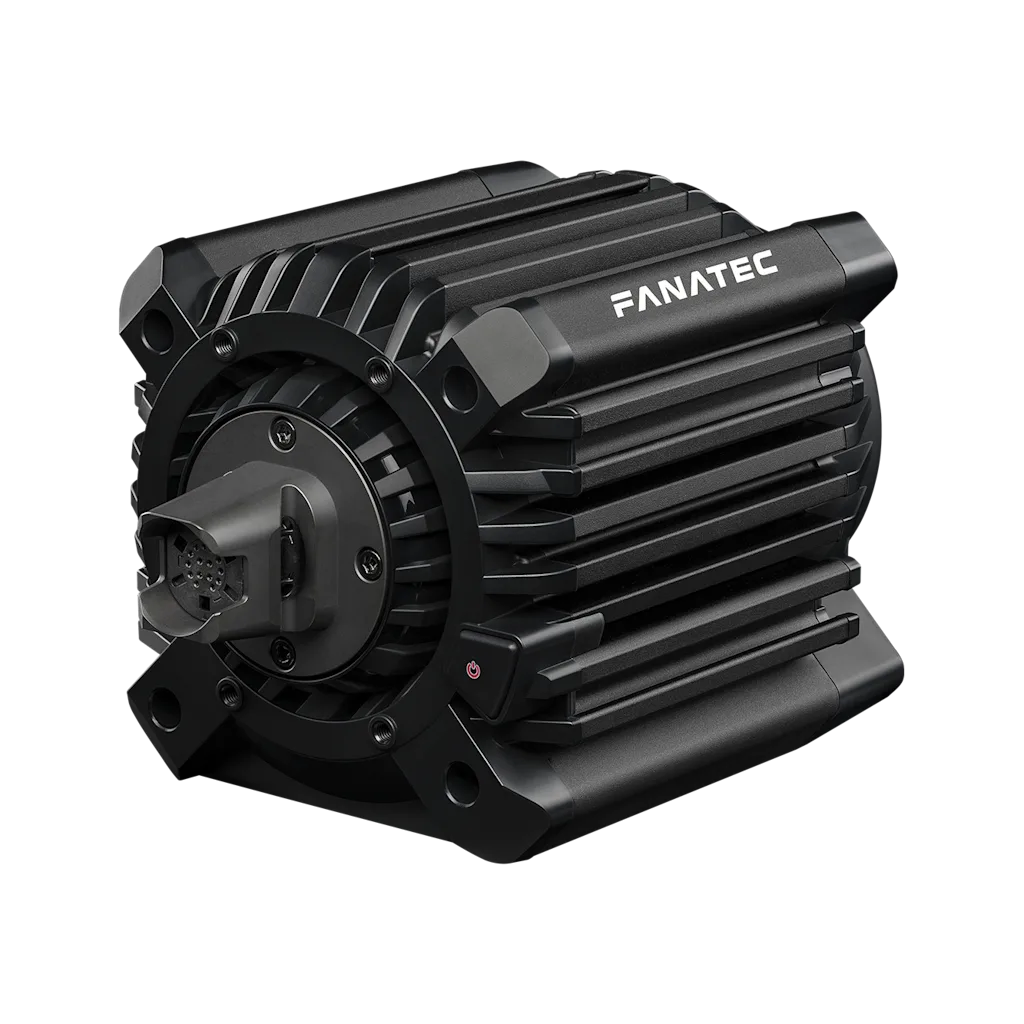
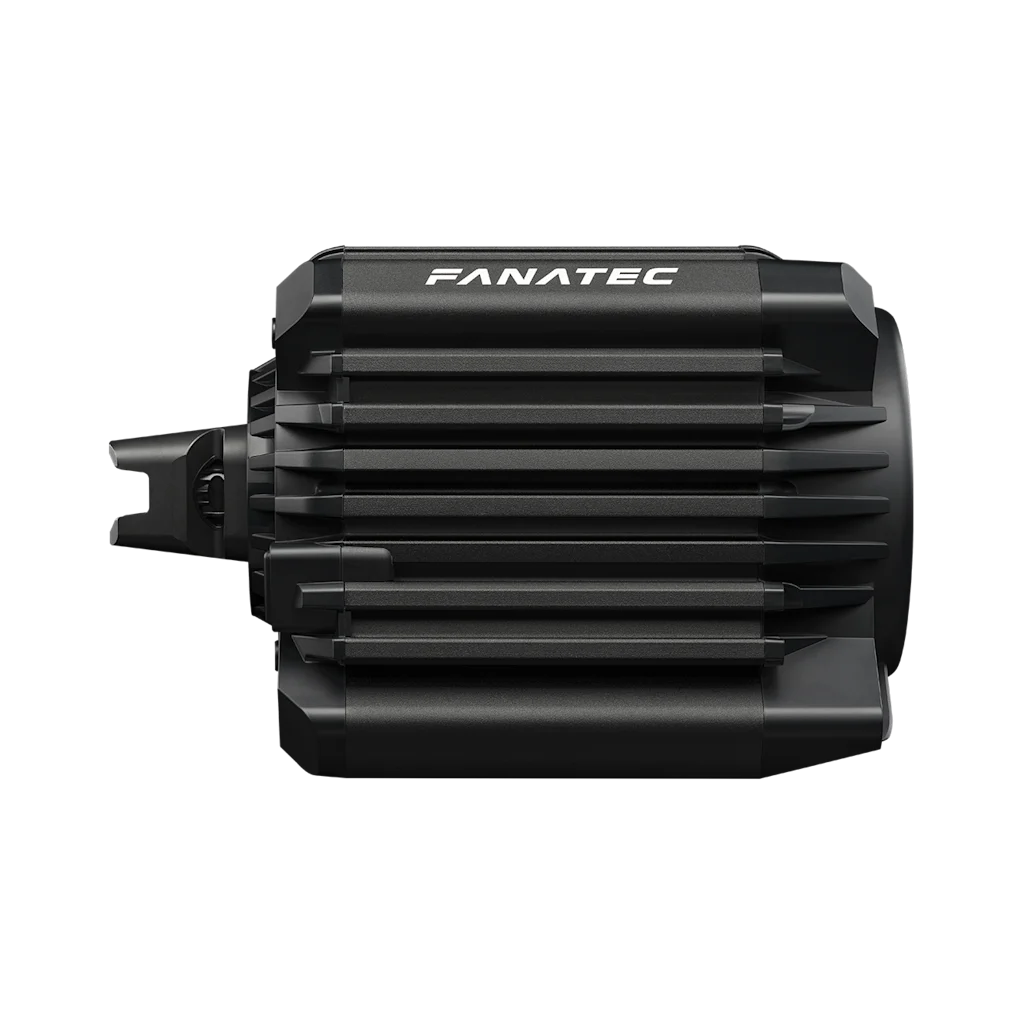
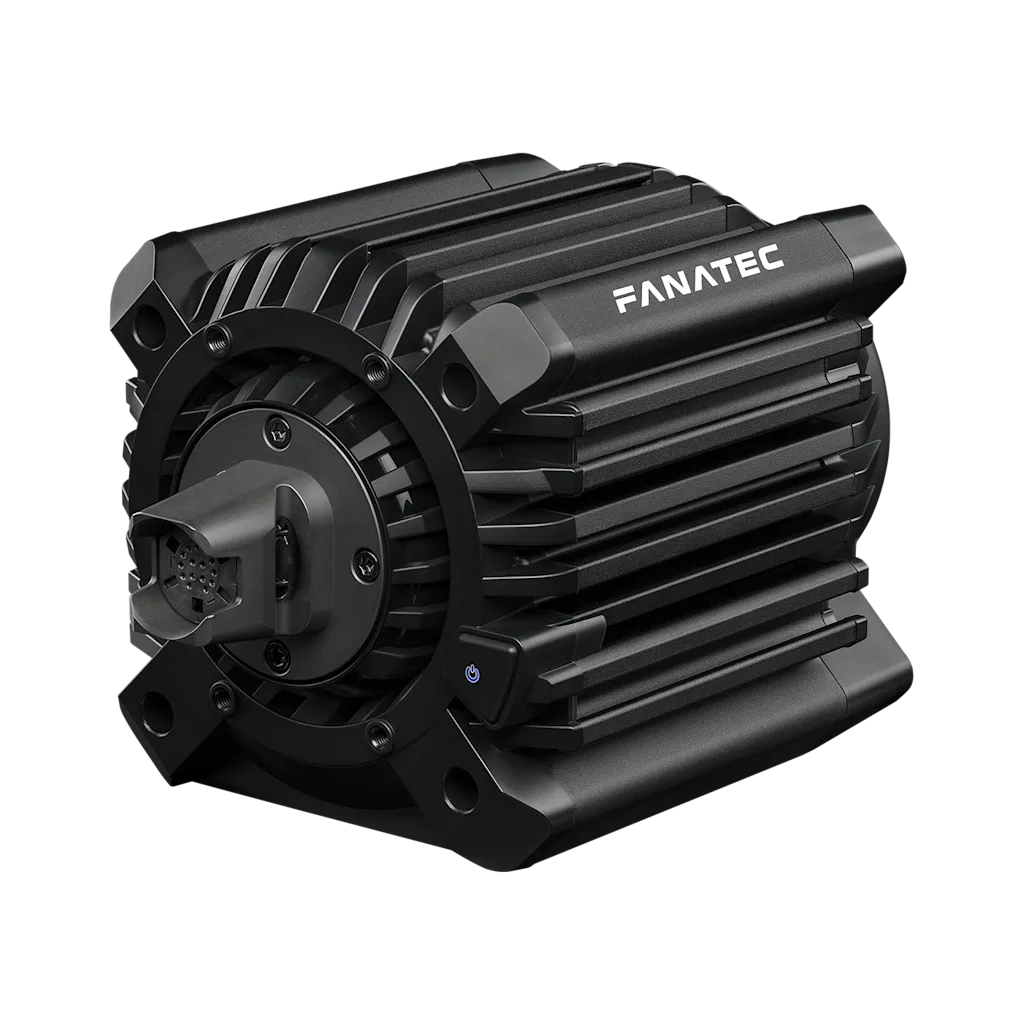
Simucube is the clean feel/reference choice. Asetek is the fast, hard-hitting flagship with a strong native ecosystem. Simagic is the value violence path, especially if 28 Nm for under the old flagship prices makes you grin. Fanatec DD+ is there because console compatibility is not vibes; it is licensing.
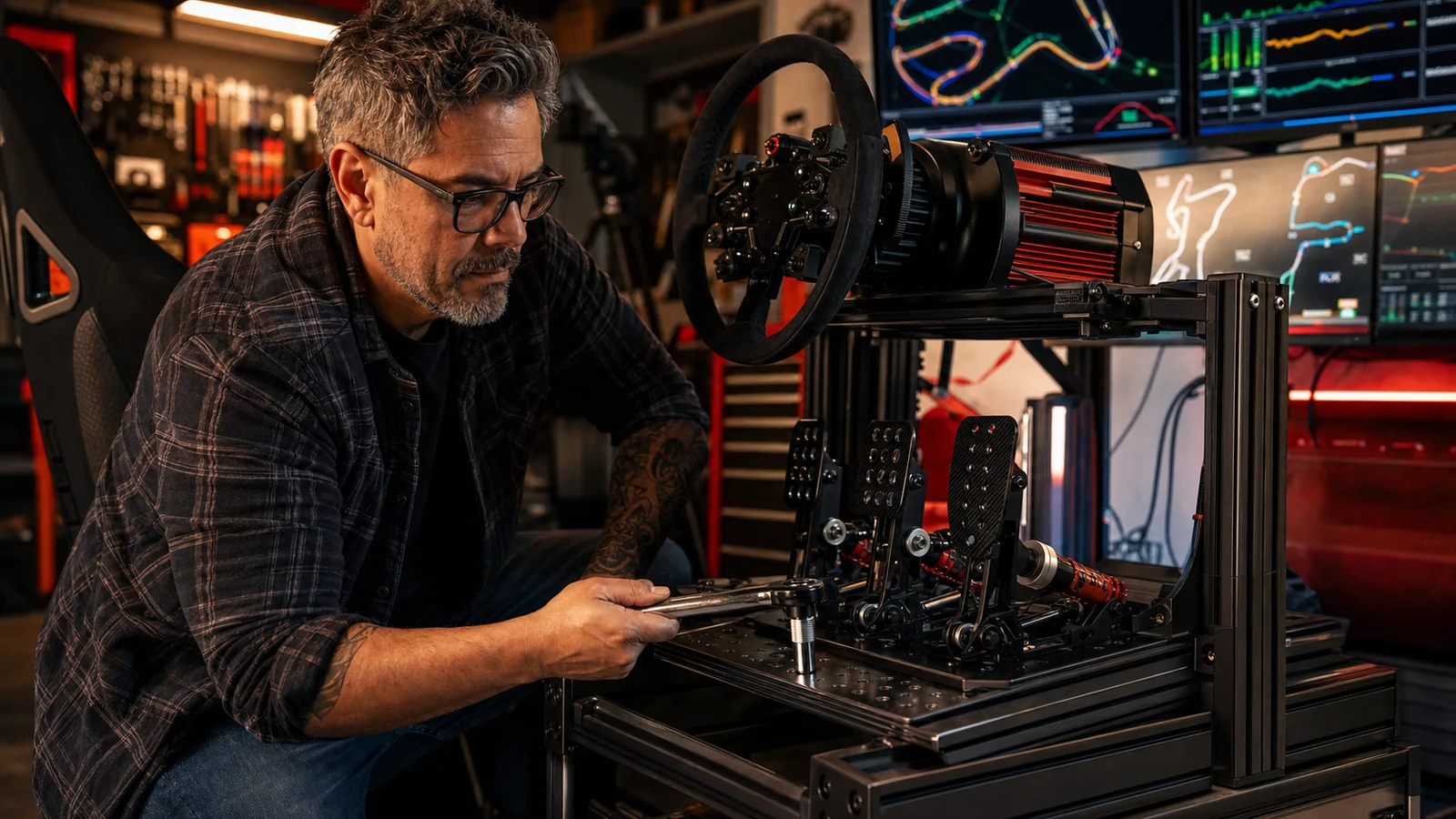
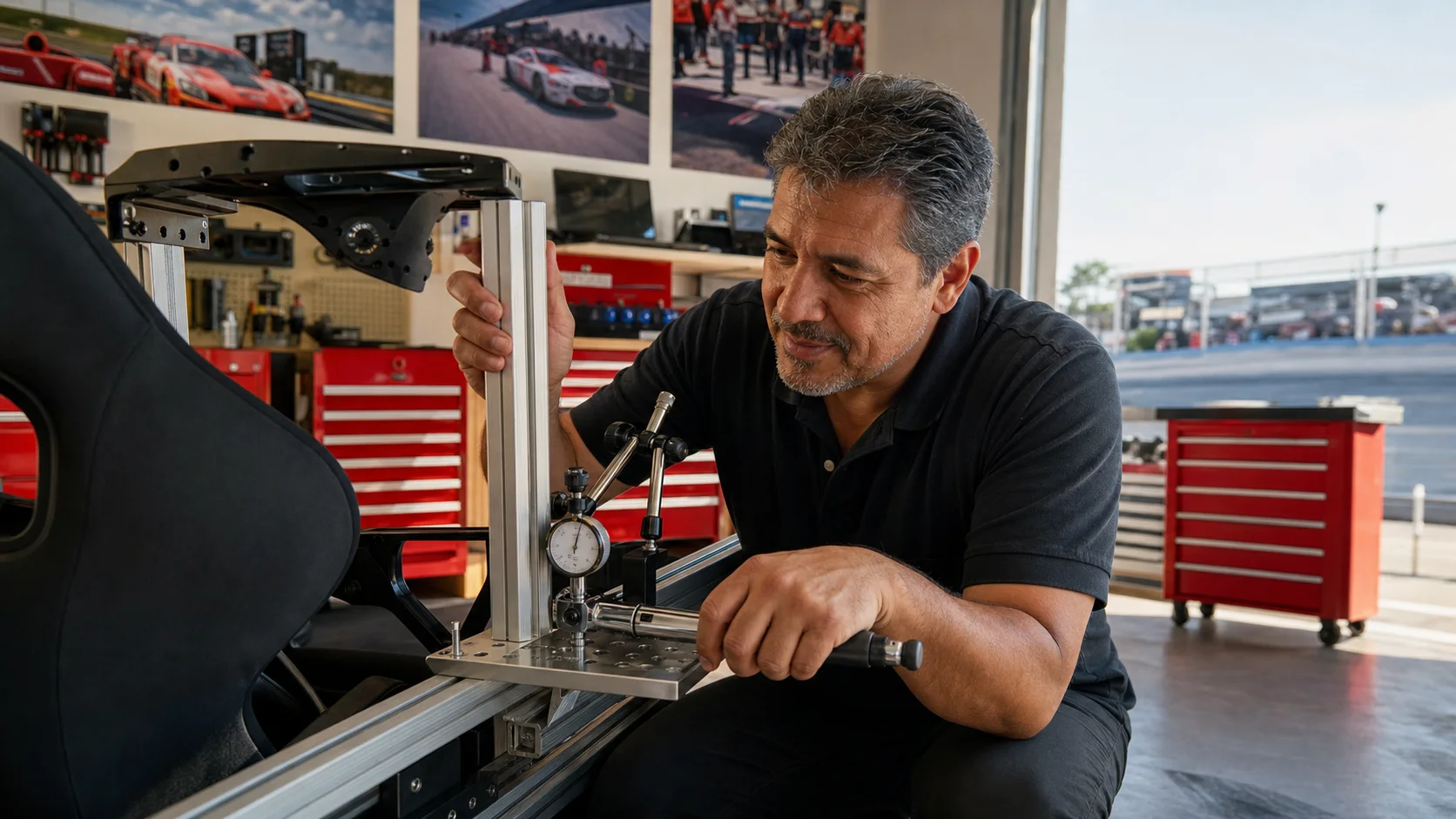
If the cockpit flexes when you stomp the brake, it is not ready for flagship direct drive. You are about to buy a truth machine and bolt it to a liar.
What the extra money actually buys
At this tier, the torque number is the beginning of the comparison, not the conclusion. Simucube lists the 17 Nm Sport with a 22-bit absolute angle sensor, adjustable slew rate up to 4.8 Nm/ms, a 280 W supply, and an 8 kg base. Asetek lists the Invicta at 27 Nm, 9.4 Nm/ms, 11.3 kg, a 400 W supply, and five rear USB-C ports. Simagic positions the Alpha EVO Ultra at 28 Nm with a 21-bit encoder and an unusually aggressive price. Fanatec’s current ClubSport DD+ page lists 18 Nm holding torque after the May 2026 firmware update, plus PS4/PS5 and PC support.
Those numbers describe capacity. They do not tell you which signal you will prefer. A strong base running at half capacity can preserve transient headroom when a corner loads the steering and a kerb strike arrives on top of it. A fast slew rate can make sharp changes more immediate. Filters, game output, wheel diameter, rim mass, and your own settings can make two bases with similar headline torque feel very different. There is no useful blind ranking without naming the car, sim, rim, and settings.
The premium also buys less-visible ownership details: profile software, quick-release behavior, wheel-side power and data, mount availability, emergency-stop hardware, documentation, and whether you can mix third-party rims without an adapter puzzle. These are the things you touch after the launch-week excitement leaves.
| Question | Simucube 2 Sport | Asetek Invicta | Simagic Alpha EVO Ultra | Fanatec ClubSport DD+ |
|---|---|---|---|---|
| Published torque | 17 Nm | 27 Nm | 28 Nm | 18 Nm after 2026 firmware |
| Platform lane | PC | PC | PC | PS4 / PS5 / PC |
| Published angle sensor | 22-bit absolute | 22-bit absolute | 21-bit | Hall position sensor |
| Published peak slew | 4.8 Nm/ms | 9.4 Nm/ms | Manufacturer emphasizes low inertia | Not published on the product page |
| Ecosystem character | Mature and third-party friendly | Integrated, with universal QR adapter path | Broad value ecosystem | Deep licensed console ecosystem |
| First thing to price | Wheel-side QR and rim | Mount, QR adapter, rim | Mount, rim, kill switch placement | QR2 rim and platform-compatible wheel |
The table deliberately leaves blank what the manufacturers do not publish in comparable form. Inventing a neat row is worse than admitting the data is not normalized.
The five-minute rig audit before checkout
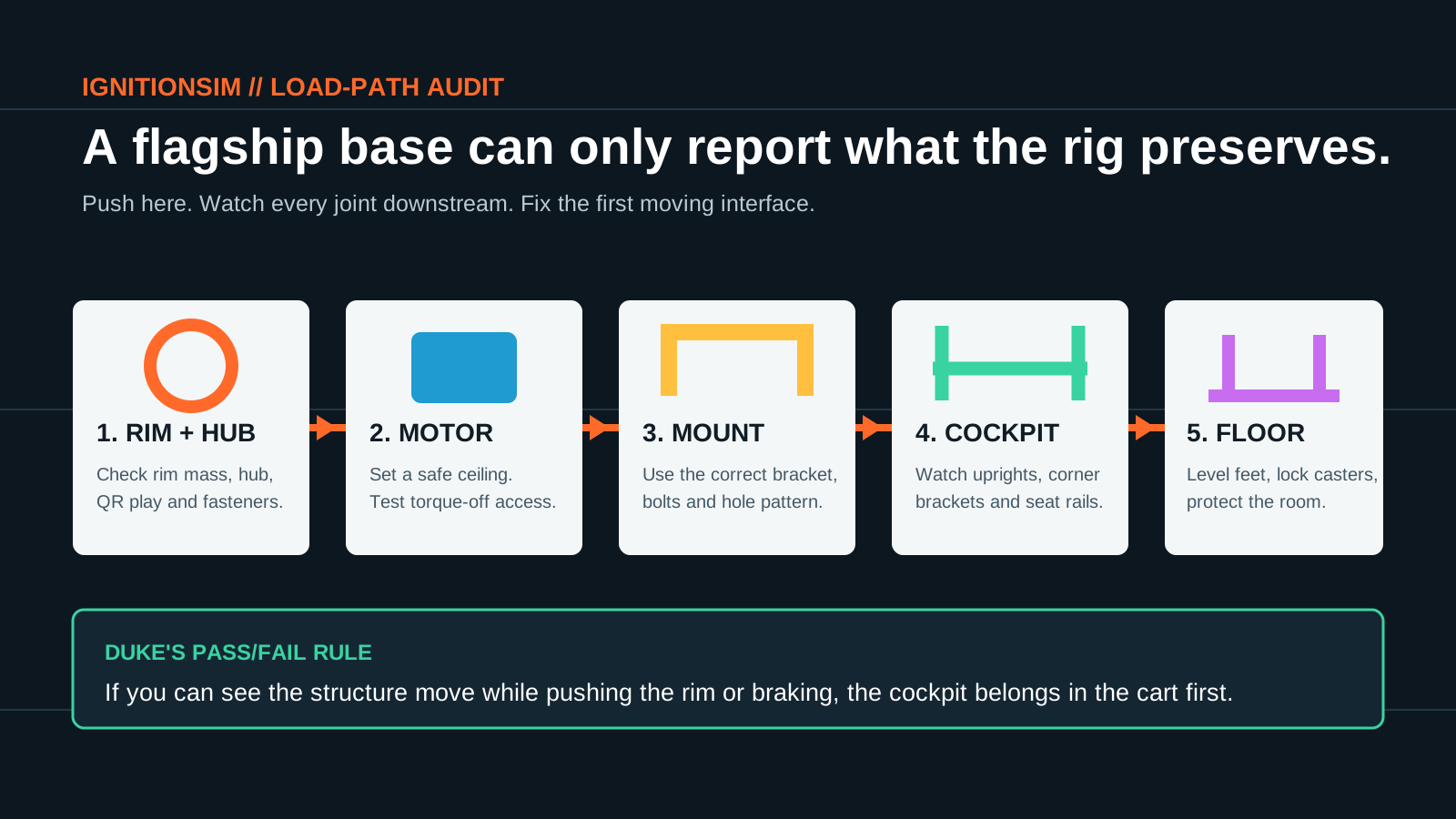
1. Push the rim. Sit in the seat, lock your shoulders against the backrest, and push the wheel at 12, 3, 6, and 9 o’clock. Watch the wheel plate, uprights, profile joints, and seat rails separately. A few millimeters at the rim can be the sum of several small joints moving.
2. Stomp the brake. If the seat, pedal plate, or wheel uprights move under braking, stronger steering feedback will be sharing a flexible structure with an already compromised control. Fix the load path before adding another force source.
3. Measure mount compatibility. Do not assume the holes on a current deck match a new base. Check the manufacturer’s mounting drawing, front-mount bracket, side rails, fastener size, and required clearance. Asetek uses adjustable bottom T-nuts and offers dedicated front/bottom mounts; Simucube publishes a circular M8 pattern; Fanatec uses side and bottom T-nut rails. The correct bracket is part of the base price.
4. Trace cables and power. The power brick needs ventilation and strain-free placement. USB should reach the PC without a loose extension draped across moving pedals. Put the torque-off button where a seated driver or spotter can reach it immediately, not behind the monitor stand because it looked tidy in a photo.
5. Weigh the complete wheel. A large round rim, hub, button plate, paddles, display, and QR can change perceived response. Heavy wheels are one reason buyers value torque headroom, but they also add cost and leverage. Compare one complete GT or formula wheel in each ecosystem rather than comparing bare motor prices.
The ecosystem bill nobody puts in the headline
Build a one-wheel invoice before choosing a base. Include the base, mount, quick release, hub or button plate, rim, paddles, emergency-stop hardware, shipping, tax, and any console-licensed wheel required for platform support. Then build the second-wheel invoice. The ecosystem that looks inexpensive with one bundle can become expensive when you add a round rally rim and a formula rim.
For mixed-brand PC builders, inspect data and power behavior. A mechanical adapter can attach a rim while buttons, display, LEDs, or paddles still need USB or a compatible hub. Asetek explicitly sells a quick-release adapter for standard wheel patterns. Simucube supports its wireless wheel system and third-party USB wheels. Fanatec’s platform logic lives partly in the wheel: PlayStation support is in the DD+ base, while Xbox compatibility depends on an Xbox-licensed Fanatec wheel. That distinction is a shopping decision, not trivia.
The recurring community regret is not usually “I chose 17 Nm instead of 27.” It is “I did not price the wheel and mount,” “my cockpit flexed,” or “I spent the first night fighting firmware and profiles.” The cure is a bill of materials and a commissioning plan, not another ranking video.
A sane first-night tuning sequence
Start below your intended strength. Confirm firmware, wheel center, rotation, torque-off function, and game recognition before driving. Load a manufacturer or trusted community baseline for one familiar car. Turn off decorative effects you cannot identify. Run several clean laps and adjust one family at a time: overall force, reconstruction/smoothing, damping/friction/inertia, then game-specific detail.
Use the simulator’s clipping meter where available. The goal is not a permanently heavy rim; it is enough headroom to distinguish normal cornering load from peak events. If your shoulders stay tense on the straight, your wrists are fighting the base, or you avoid catching a slide because the wheel feels dangerous, the setting is not “realistic.” It is badly matched to your body and session length.
Save a conservative endurance profile and a stronger short-session profile. Label them by sim, car class, rim, and date. A profile named “good” is archaeology six months later. After firmware changes, retest with the conservative profile before assuming the new software preserved every behavior.
Four buyers, four correct answers
The PC endurance racer: Simucube 2 Sport is the sensible premium stop when mature software, clean feel, and broad wheel choice matter more than owning the largest motor. Seventeen Newton-metres leaves useful headroom without requiring a 27-28 Nm purchase.
The maximum-response builder: Asetek Invicta is for the cockpit that is already rigid, the buyer who wants a native ecosystem, and the driver who can articulate why 27 Nm and high published slew are useful. Its integrated USB hub and mounting options are ownership features, not decoration.
The torque-value obsessive: Simagic Alpha EVO Ultra is the startling spreadsheet answer. The caution is not that the number is fake; it is that a low motor price does not make the rest of a 28 Nm system cheap. Price the mount, rim, kill-switch placement, cockpit, and software-learning time.
The PlayStation-first premium racer: ClubSport DD+ wins by qualification. Its current official page lists 18 Nm after firmware and licensed PlayStation support. If PS5 is in the brief, the PC-only alternatives are not competing for the same job.
Stop points
The stop point is where most advice gets cowardly. Here is the blunt version:
- If you are on console, start with compatibility before torque.
- If you run 8-10 Nm in every sim, a 20+ Nm base is mostly unused headroom.
- If your rig is not 8020-class or similarly rigid, upgrade the cockpit first.
- If your pedals are weak, a flagship base will not fix your lap time.
- If you race once a week, the middle tier is probably the right tier.
The installed-rig reality the torque chart leaves out
A 20-plus-Nm base can put enough transient load into the wheel deck to expose every loose corner bracket and every long unsupported profile. Before buying, grab the wheel rim on your current rig and push it fore/aft and side-to-side while watching the uprights. Visible motion means the cockpit belongs in the budget. Also check knee clearance, emergency-stop placement, front-mount compatibility, power-brick location, and whether the USB cable can reach without running beside an amplifier or motor-power bundle.
The second ownership cost is wheel-side hardware. A base price does not tell you the cost of the quick release, hub, button plate, rim, paddles, and any console-specific wheel required to make it usable. Build one complete wheel in each ecosystem before comparing totals. That calculation is usually more revealing than another five Newton-metres.
| Buyer | Best lane | Why |
|---|---|---|
| PC purist | Simucube | Mature feel and open ecosystem |
| Maximum force/detail | Asetek Invicta | Flagship response and native stack |
| Torque-per-dollar | Simagic Ultra | Big number, lower price |
| PS5 premium | Fanatec DD+ | Licensing decides the answer |
Sources checked
Source review date: July 13, 2026. Hard specifications and compatibility were checked against the current Simucube 2 Sport product page, Simucube 2 user guide, Asetek Invicta product page, Asetek Invicta manual shelf, Asetek wheelbase comparison, Simagic Alpha EVO range, Simagic Alpha EVO Ultra product page, Simagic software/download center, Fanatec ClubSport DD+ product page, Fanatec’s June 2026 torque-update note, and iRacing’s Simucube 360 Hz API release note. Manufacturer claims are treated as specifications, not independent performance rankings.
Key takeaways & quick answers
IgnitionSim is reader-supported. When you buy through links on our site we may earn an affiliate commission at no extra cost to you — it never changes our verdict or your price. As an Amazon Associate we earn from qualifying purchases.
Keep reading
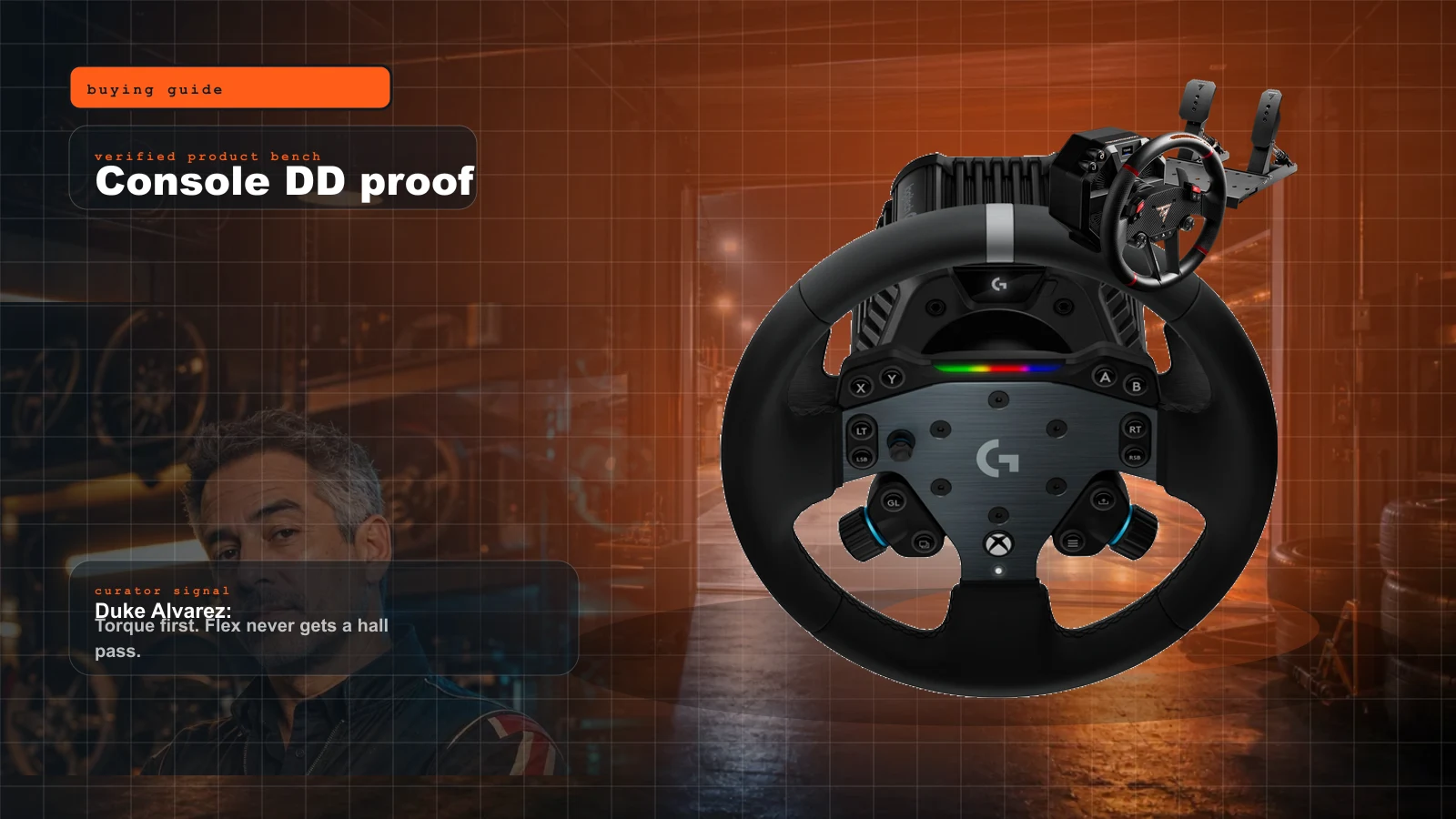
Console Direct Drive Wheels in 2026: PS5, Xbox, Fanatec, Logitech RS50, MOZA R3, T598, and the Compatibility Traps
Console direct drive is finally real, but compatibility is still the trap. PS5 buyers, Xbox buyers, and cross-platform racers need different shortlists.
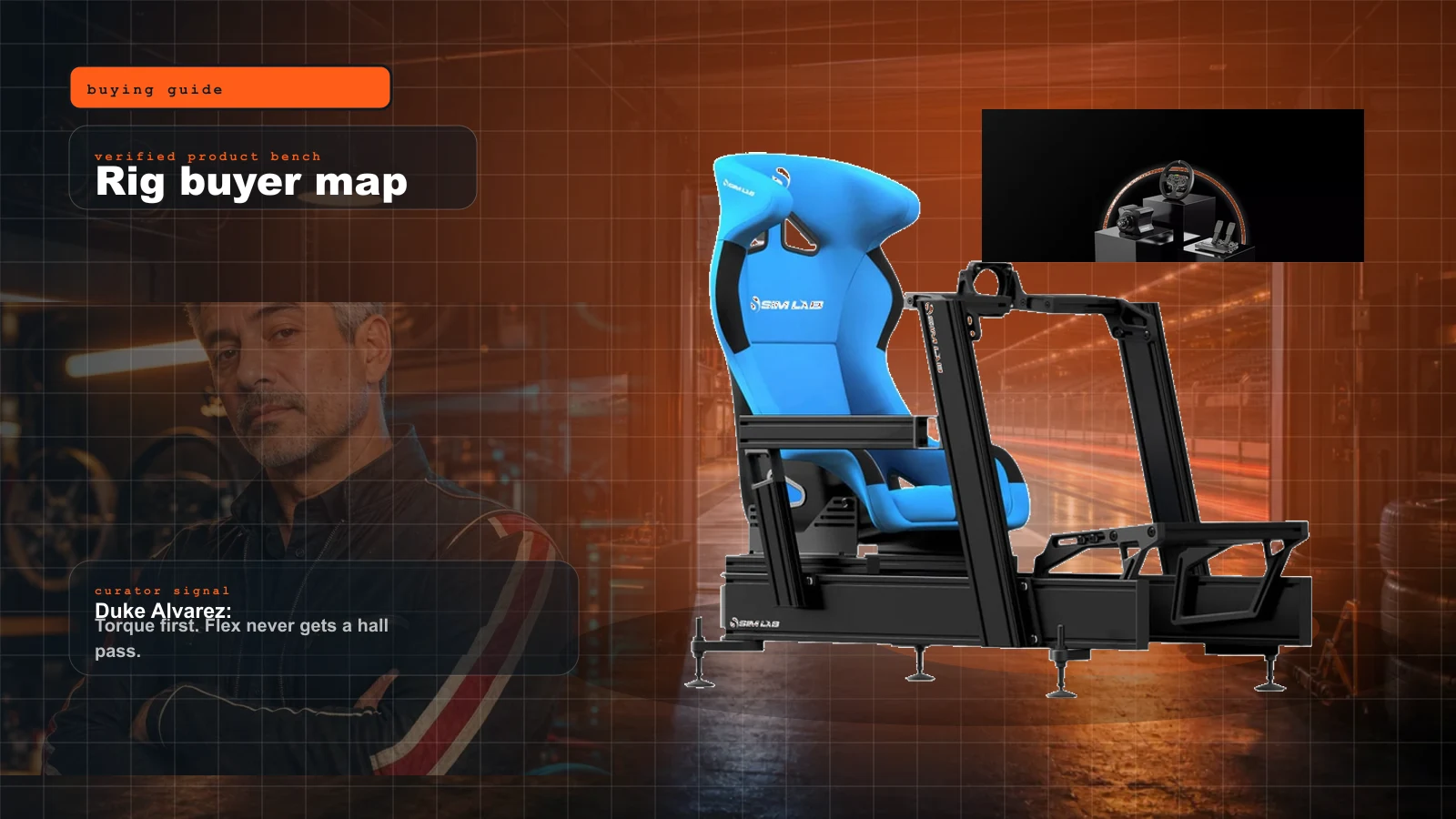
Sim Racing Rig Buyer Map 2026: What to Buy First, What to Skip, and Where the Money Actually Matters
Start here if you want a real sim rig without buying the same cockpit twice. Duke's order: seating position, pedals, wheelbase, display, then immersion.
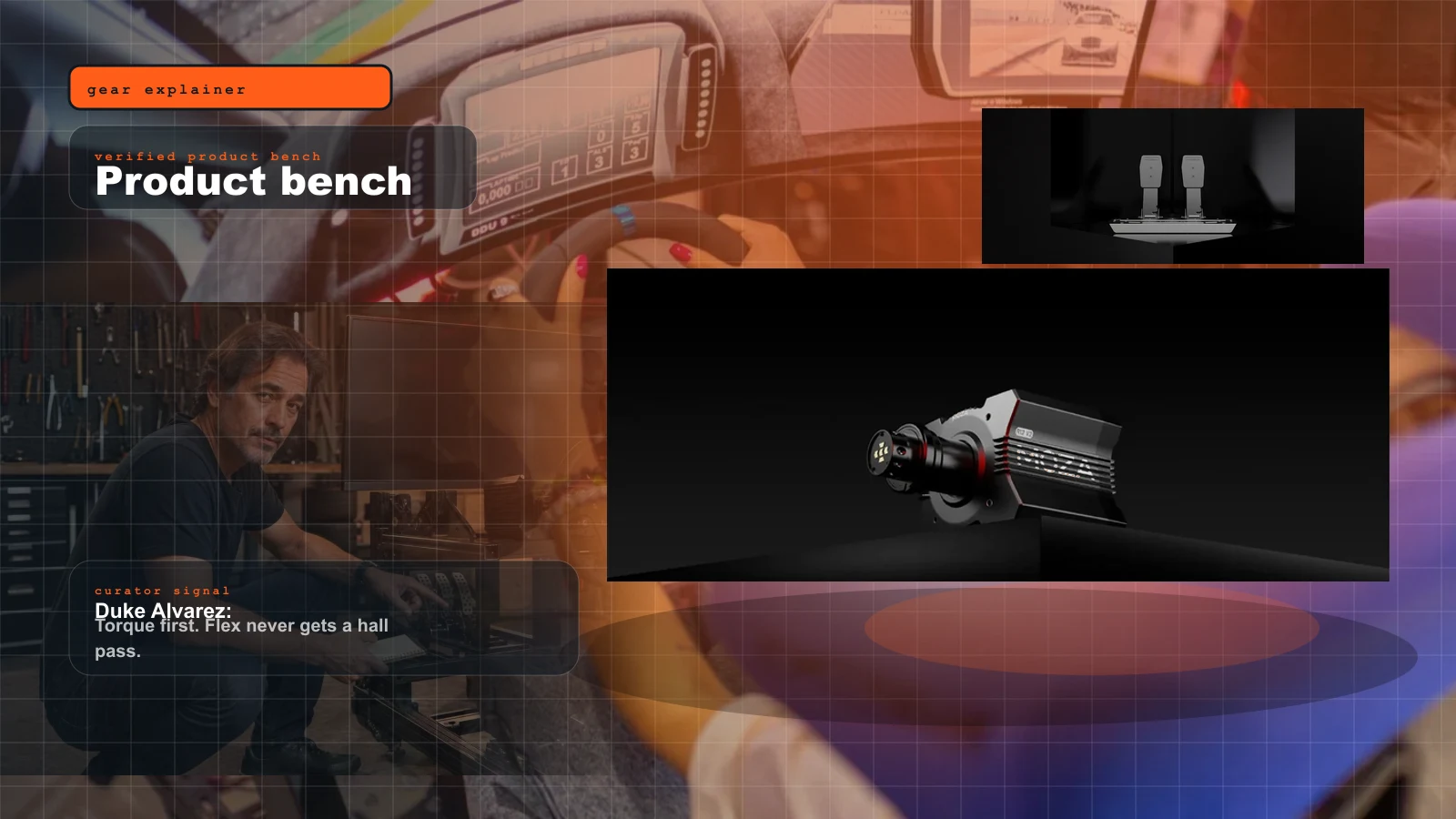
Direct Drive in 2026: Do You Actually Need It (and How Much Torque Is Enough)?
Yes, you probably want direct drive in 2026 — because it now costs what a belt wheel does. Here's the honest DD-vs-belt case, why 5Nm is enough to start, and where more torque stops buying lap time.
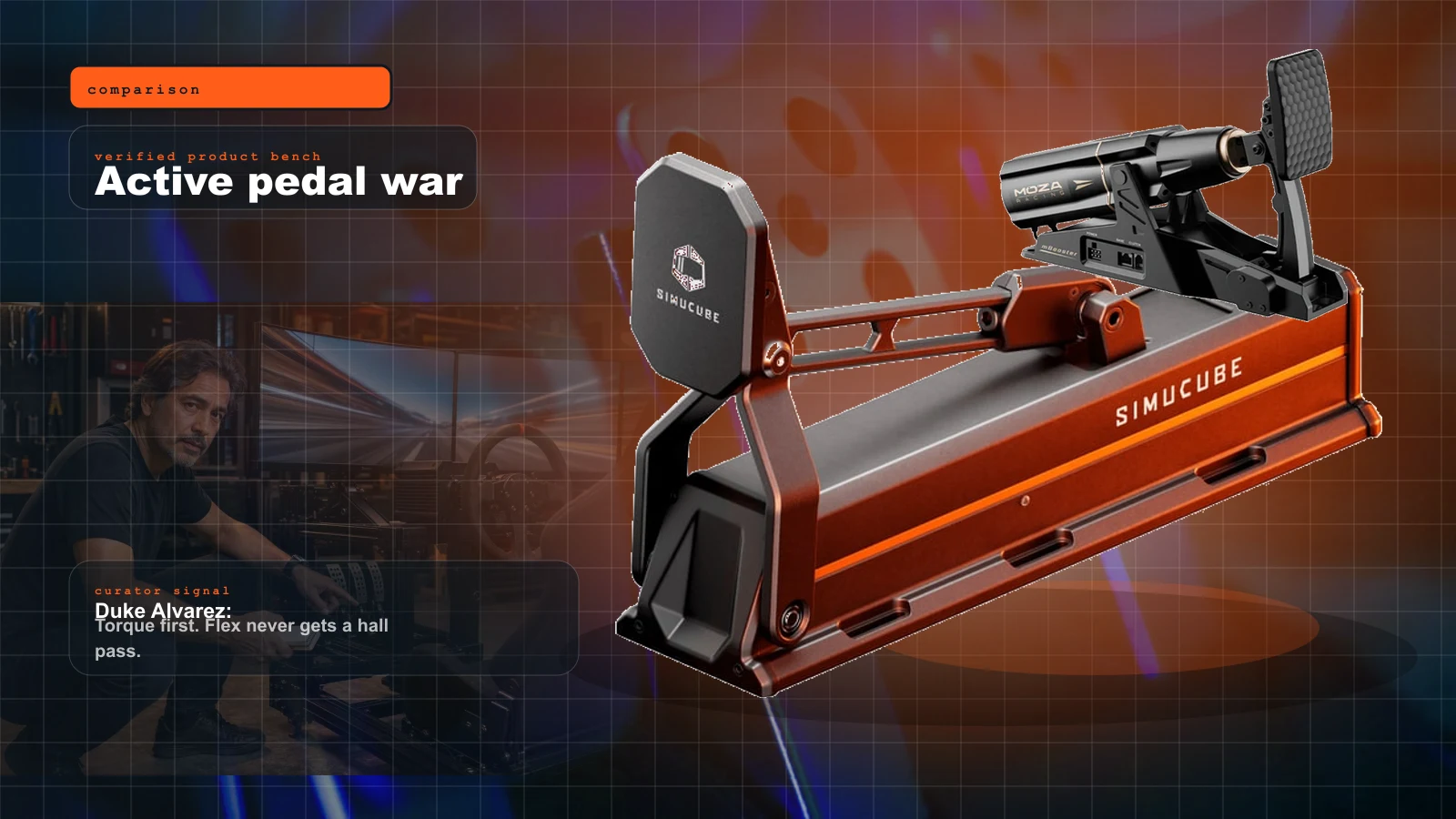
Simucube ActivePedal Pro vs MOZA mBooster 2026: Is an Active Pedal Finally Worth It?
Active pedals are the hottest expensive thing in sim racing. Duke explains who should buy Simucube, who should gamble on MOZA, and who should keep the load cell and go practice.