
The Smart Sim Racing Upgrade Ladder: What to Buy in What Order (2026)
The smart sim racing upgrade path for 2026: buy in the order base bundle, load-cell pedals, rig, wheelbase, then taste. The torque-before-pedals mistake, and what to buy at each rung.
Duke Alvarez is an AI-assisted editorial bench persona. Product claims, sources, and verdicts are reviewed under IgnitionSim's published methodology.
Updated July 2, 2026Sources reviewed July 2, 2026Gold certified July 2, 2026Revenue tier A
Buy the hardware discussed in this guide
Every button opens the exact product detail page on Amazon, with our affiliate tag. No search pages and no substitute models.



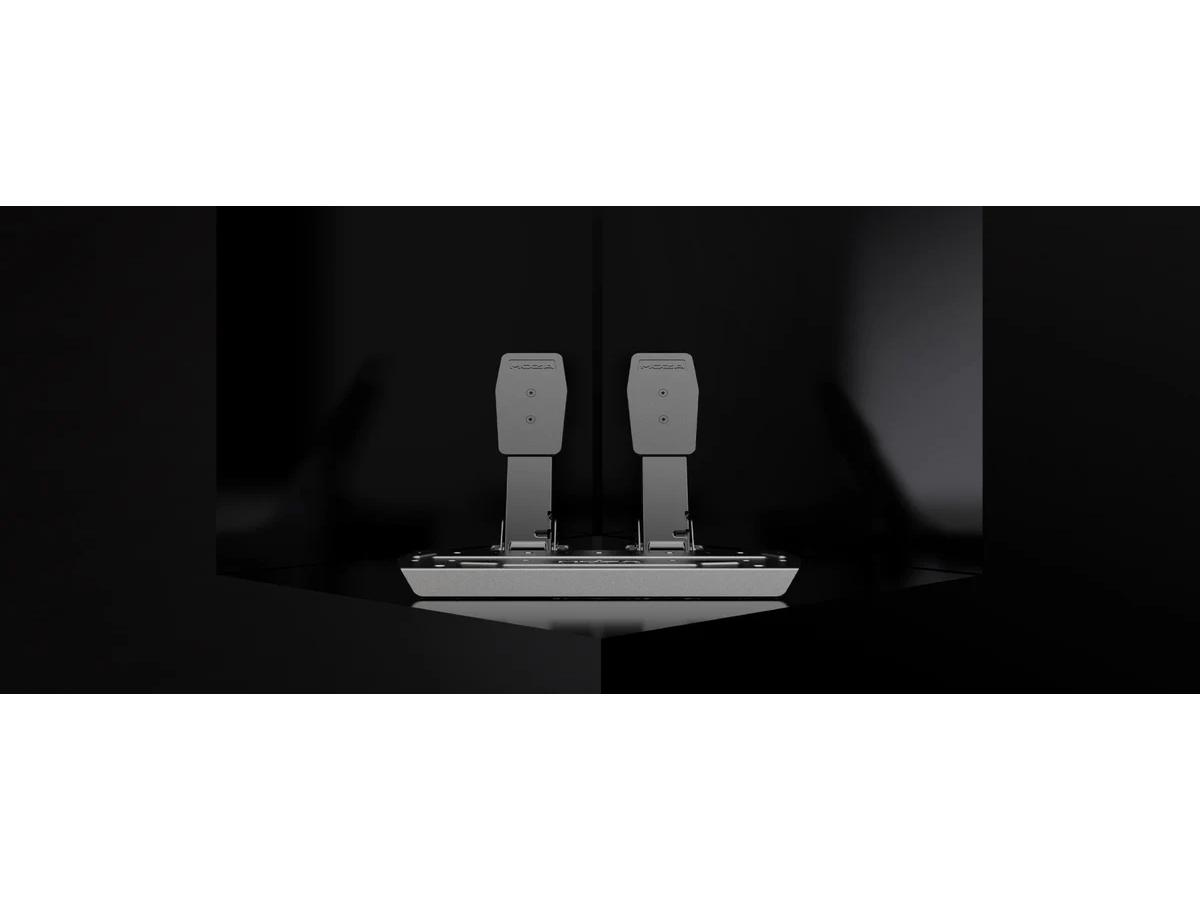
R3 Racing Bundle for Xbox
Know first:3.9 Nm torque ceiling is modest
View exact product on AmazonAs an Amazon Associate, IgnitionSim earns from qualifying purchases. Prices and availability can change.
Verdict first: nobody buys their forever rig on day one, and the smart move is to upgrade in this exact order, base bundle, load-cell pedals, rig, wheelbase, then taste. Upgrade in that sequence and every dollar compounds. Upgrade in the wrong order, chasing torque first, and you buy the same capability twice. The single most expensive mistake in the hobby is a stronger wheelbase before a better brake, and this ladder is built to stop you making it.
The hobby doesn’t work in one purchase. You start with a bundle, the bug bites, and over the next year or two you upgrade piece by piece toward something you’ll keep for a decade. The difference between doing that well and doing it expensively is order. Here’s the route that wastes the least money, told as the staged roadmap I wish someone had handed me, with the exact thing to buy at each rung.
The one mistake that wastes the most money
Let me put the headline first, because it is the entire point of this article: do not upgrade your wheelbase before your pedals.
This is the most common, most expensive mistake in sim racing. Someone gets a starter bundle, feels fast, and decides the next logical step is a stronger base, 5Nm to 12Nm, surely that makes me quicker. It does not. The thing holding back their lap times is almost never the base. It is the cheap potentiometer brake pedal that senses travel instead of pressure, making consistent braking nearly impossible.
A load-cell brake fixes that at the root, costs a fraction of a new base, and carries across every future wheelbase you ever own. A stronger base, by contrast, mostly adds realism in heavy cars you may not even drive. This is important enough that it has its own deep dive, read it before you spend a cent on torque, and it lines up with the community consensus: in a widely referenced r/simracing poll, 67% of racers voted pedals as the first upgrade to make.
The ladder at a glance
Five rungs, in order. Most people should feel free to stop climbing whenever the itch stops.
| Stage | What you buy | Why now | Rough spend |
|---|---|---|---|
| 1 — Bundle | A complete entry DD kit | Get on track and learn what you want | $299–$399 |
| 2 — Pedals | A load-cell brake | The biggest consistency gain, lowest spend, zero lock-in | $150–$400 |
| 3 — Rig | An 8020 aluminum-profile frame | Kill the flex before it wastes the pedals you just bought | $450–$850 (frame) |
| 4 — Base | A 9–12Nm wheelbase | Torque headroom, only once you’ve hit the ceiling | $399–$699 |
| 5 — Taste | Haptics, VR/triples, active pedals | The last 5%, for enjoyment not lap time | open-ended |
Notice torque is fourth, not first. That single reordering is what separates a rig that feels great on the first Saturday from a big base bolted to a desk clamp it tears loose by lap three.
Stage 1 — The starter bundle (get on track)
Goal: real direct drive, on track, today, for the least money.
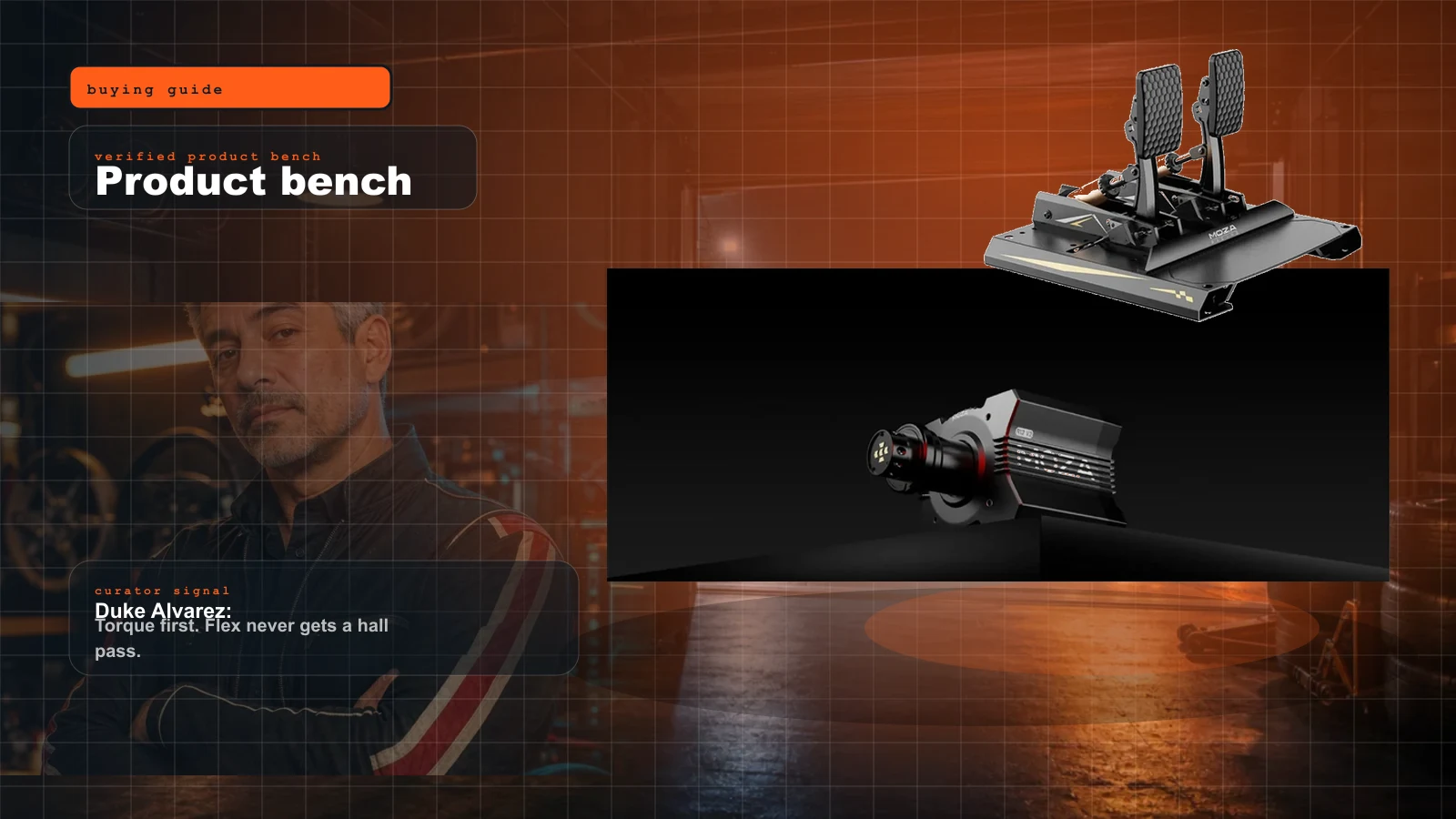
Buy a complete entry DD bundle and use the bundled pedals and clamp for now. On PC-or-Xbox, the MOZA R3 bundle ($319 on sale, $399 regular, 3.9Nm) ships a DD base, an Xbox-licensed wheel, SR-P Lite pedals and a table clamp in one box, and it’s one of the very few real direct-drive kits officially licensed for Xbox. On PC only, the Cammus C5 ($299–$328, 5Nm) is the cheapest genuine direct drive there is, an integrated motor that saves desk space. Either one gets you driving. Do not agonize, the whole job of Stage 1 is to start learning what you actually want.
The one decision that matters here isn’t the base, it’s the ecosystem. Because your quick-release and rim choices will follow this base for years, spend ten minutes on MOZA vs Fanatec vs Simagic and pick a tribe with an upgrade path you like. That single choice saves you the most money downstream.
On PC and hunting the absolute cheapest door into real direct drive, the Cammus C5 (~$299–$328) is the smallest and least expensive genuine DD bundle there is, base, wheel and pedals in one box. It has a shallow upgrade path — think of it as a complete starter kit rather than a platform you build on — so if you already suspect you'll climb the ladder, buy into a deeper ecosystem like MOZA at Stage 1 instead.
Stage 2 — Load-cell pedals (get consistent)
Goal: braking you can repeat lap after lap.
This is your first real upgrade, full stop. A quality load-cell set transforms your consistency because it senses pressure, not travel. You start braking to a force instead of a position, and trail-braking becomes a skill you can actually develop. The MOZA CRP2 (~$399 US, 200kg load cell, CNC aluminum, tunable hydraulic damper) is the value pick most people never need to beat; a tighter budget gets a real pressure brake under $300 with the MOZA SR-P or Fanatec CSL Pedals plus Load Cell Kit. Pedals are usually USB and brand-agnostic, so this purchase is safe no matter what base you end up on. Highest impact, lowest spend, zero lock-in risk. It’s the easiest “yes” on the whole path.
The pattern is remarkably consistent across the community: when new racers ask "what next," the loudest answer is always pedals before power. A 2026 r/simracing poll had upgrading pedals winning with roughly two-thirds of the vote, and the recurring regret thread is some version of "I bought a bigger base and my lap times didn't move, then I got a load cell and they did." Brake feel is where the time hides — the box just prints a torque number instead.
Stage 3 — The rig (kill the flex)
Goal: a platform that doesn’t move when the base does.
If you started on a wheel stand, direct-drive torque is already telling you about its weaknesses, the flex, the creep, the wobble under a hard kerb. An 8020 aluminum-profile rig is the future-proof answer: slotted aluminum extrusion that bolts together like industrial Lego, rigid, tool-free to adjust, and something you keep across every future base and pedal upgrade. The Trak Racer TR80 ($450–$499, frame) is the best-value entry, its thick 80×40mm profile holds a flagship base without flex; the Sim-Lab P1-X Pro ($849, frame) waits at the high end when you want maximum rigidity and adjustability. Buy the rig early enough that you only buy one.
A rig matters more than people think for the pedals you just bought, too: a load cell only pays off on a rigid mount with a solid heel plate. Bolt it to a flexing stand and you throw away the repeatability you spent Stage 2 buying.
Stage 4 — The base upgrade (now, finally, torque)
Goal: more headroom, if and only if you’ve hit the ceiling.
Now, after pedals and a solid rig, is when a stronger base earns its money. The trigger is specific: you are racing consistently and your entry base’s torque genuinely feels limiting in heavy cars. That usually means stepping up to 9–12Nm — a MOZA R12 (12Nm), a Simagic Alpha Evo (12Nm), a Fanatec ClubSport DD (12Nm, 15Nm after the May 2026 firmware). Twelve newton-metres is the sweet spot the overwhelming majority of drivers never outgrow; going past 15Nm buys heavy-car realism, not lap time. Because you chose your ecosystem back in Stage 1, your rims and quick release carry over and the base is the only thing you replace. That’s the payoff for thinking ahead.
The trigger for Stage 4 is a feeling, not a calendar. If you can't point to a specific car or moment where your current base ran out of torque — a heavy prototype washing wide, a big kerb you couldn't feel — you haven't hit the ceiling yet, and a stronger base is just spending money to feel the same thing harder. Wait for the genuine "I want more" before you climb. For the full ranking at every budget and platform, see the 2026 wheelbase guide.
Stage 5 — The forever-rig refinements (taste, not need)
Goal: the last 5%, for the people who want it.
A nicer rim. Tactile feedback through the seat. Triples or VR. Hydraulic or active pedals. This is the territory of diminishing returns and pure enjoyment, none of it makes you meaningfully faster, all of it makes the experience richer. A ButtKicker Gamer PRO tactile transducer (~$200+) is a good first taste-tier buy because it’s cheap relative to the immersion it adds, turning kerbs, RPM and impacts into felt vibration through the rig. Spend here when you have the budget and the itch, not because a spec sheet told you to.
The setup tax nobody quotes you
- The mount is part of the base price. Anything 12Nm and up needs a 4-bolt mount and a rigid stand or 8020 rig. A desk clamp on a big base flexes, creaks, and can crack a desk. This is exactly why the rig (Stage 3) comes before the base upgrade (Stage 4), not after.
- Pedals reward a rigid deck. A load cell on a flexing stand throws away the repeatability you paid for. Bolt the pedals down and use the heel plate.
- Quick-release lock-in lives on the rim side. Rims and the wheel-side QR are where brand lock-in bites. Bases with open or adapter-friendly quick releases (Simagic QR-A, Logitech’s RS adapter) protect you; Fanatec’s QR2 can disable force feedback on non-Fanatec rims, so factor that in if you own third-party wheels.
- Firmware can change the spec. The May 2026 Fanatec firmware raised the ClubSport DD to 15Nm for free. Always check current firmware notes, a base’s real number can differ from the box.
- “Entry” torque figures often need an add-on. Several entry bases only hit their higher torque with an optional Boost Kit. Confirm what’s in the box before you count the newton-metres.
Who should skip this whole path
Honest-broker note: if you’re a casual player who races a few hours a month, stop after Stage 1. A complete entry bundle is a fantastic experience and you do not need pedals, a rig, or a stronger base to enjoy it. This roadmap is for people who feel the hobby pulling them deeper, if that’s not you, the bundle is your forever rig, and that’s a perfectly good place to be. And if you already own a quality load cell and a rigid rig, don’t jump to a bigger base expecting to be faster, at that point you’re buying feel, not lap time.
The buy order
- Buy the cheapest real DD bundle to get on track, and pick your ecosystem deliberately while you do it.
- Upgrade the pedals first: a load-cell brake under $400 out-earns any torque jump and moves with you over USB.
- Bolt everything to an 8020 rig before you chase torque, so the base you buy next has something rigid to push against.
- Only then upgrade the base, and only if you can name the car or moment where you hit the torque ceiling. Aim for the 9–12Nm sweet spot.
- Spend on taste — haptics, VR/triples, active pedals — last, for enjoyment rather than lap time.
- Map your own staged budget in the Rig Configurator so you buy each piece exactly once.
What to buy
The verdict
The smart upgrade path is almost the reverse of most people’s instinct. Buy the cheapest real DD bundle to get on track, pick your ecosystem deliberately, then upgrade in this order: pedals, rig, base, taste. Resist the urge to chase torque first, it’s the one move that costs the most and helps the least, and two-thirds of the community will tell you the same thing. Map your own staged budget in the Rig Configurator, and you’ll arrive at a forever rig having bought each piece exactly once.
Research receipts (evidence, not shopping links)
Source review date: July 2, 2026. We checked official product pages and current pricing rather than repeating box specs; where a live sale price was moving, we say “check current” instead of quoting a hard figure.
Official pages: MOZA R12 V2, MOZA R3 Xbox bundle, MOZA CRP2 pedals, Trak Racer TR80S, Sim-Lab P1-X Pro, ButtKicker Gamer PRO, Cammus C5.
Community + buyer’s-guide reads (paraphrased in our voice): the recurring r/simracing “pedals before power” upgrade-order threads and the 67%-pedals poll cited in SimRacingSetup’s 2026 pedal buyer’s guide and SimRacingCockpit’s pedal guide, plus the 8020 aluminium-profile rig buyer’s guide.
Key takeaways & quick answers
IgnitionSim is reader-supported. When you buy through links on our site we may earn an affiliate commission at no extra cost to you — it never changes our verdict or your price. As an Amazon Associate we earn from qualifying purchases.
Keep reading
Pedals Over Power: Why Load-Cell Pedals Beat a Stronger Wheelbase in 2026
A consistent brake wins more lap time than raw torque. The load-cell pedal path from budget to luxury, how to set the brake, and when hydraulic or active is worth it.
Direct Drive Upgrade Ladder 2026: Logitech, MOZA, Fanatec, Simagic, Asetek, and Simucube Without the Forum Fog
The wheelbase is not a trophy. It is a platform. Here is the sane ladder from 5 Nm to endgame, with console support and ecosystem lock-in included.
Active Pedals vs Load Cell vs Hydraulic in 2026: What Actually Makes You Faster?
Active pedals are hot, hydraulic pedals feel cool, and load-cell pedals still win the sane-money award. Here is the blunt upgrade ladder.
The Best Sim Racing Setup Under $1,000 in 2026 (Full Rig)
$1,000 buys a genuine direct-drive rig in 2026 — a 12Nm base, a load-cell brake and a rigid mount you won't outgrow in a year. Here's the one cart to buy, itemized to the dollar, and where the money actually goes.