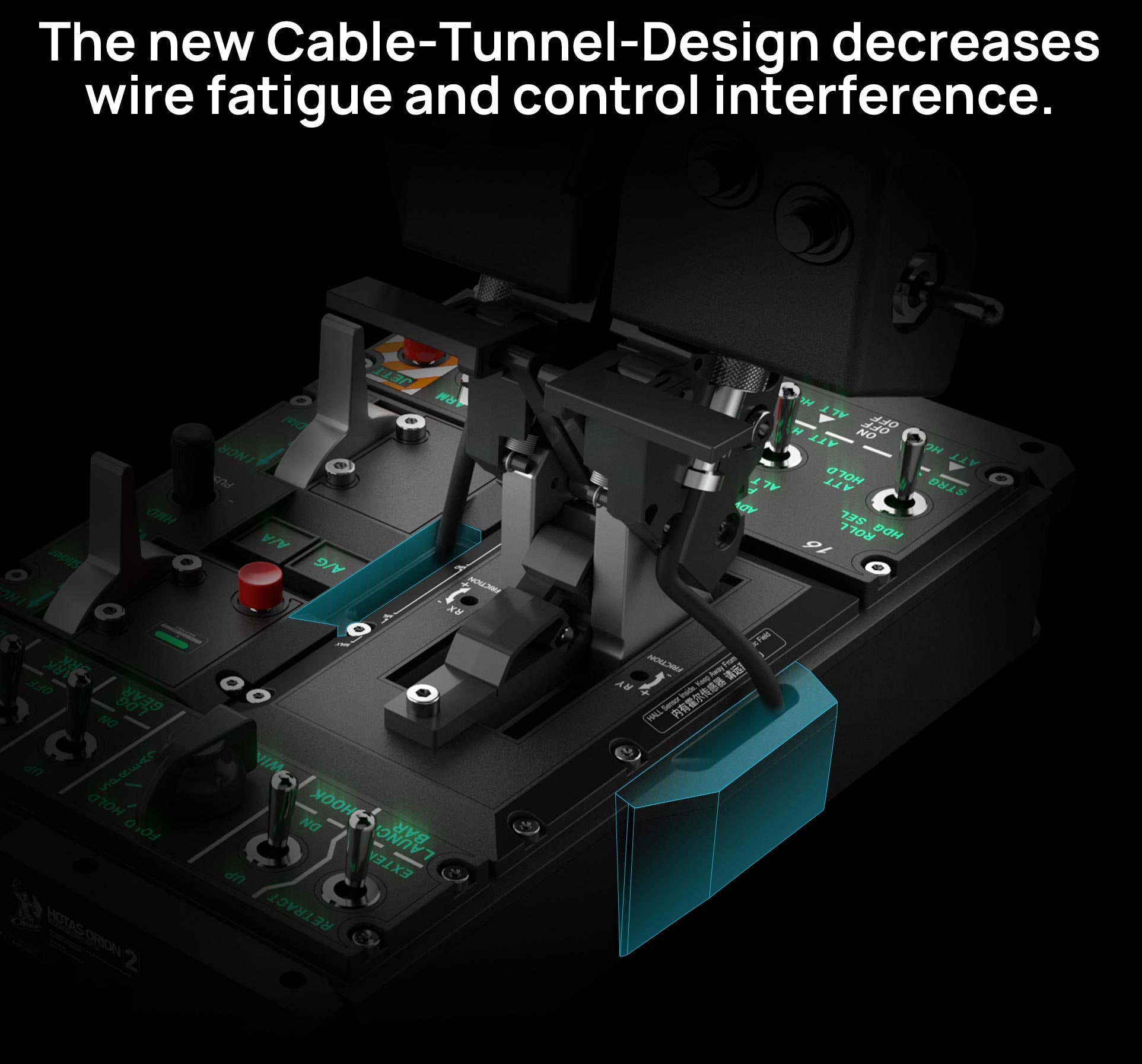
VKB STECS Mk II vs Virpil VMAX Prime vs WINCTRL Orion2 F-15EX: Best Premium HOTAS Throttle in 2026
VKB STECS Mk II vs Virpil VMAX Prime vs WINCTRL Orion2 F-15EX premium throttle comparison: detents, ergonomics, mounting, software, support, and the honest 2026 verdict.
Val Chen is an AI-assisted editorial bench persona. Product claims, sources, and verdicts are reviewed under IgnitionSim's published methodology.
Updated July 15, 2026Sources reviewed July 15, 2026Gold certified July 15, 2026Revenue tier A
Buy the hardware discussed in this guide
Every button opens the exact product detail page on Amazon, with our affiliate tag. No search pages and no substitute models.

HOTAS Warthog
Know first:Overkill and the wrong layout for civil GA or airliner flying
View exact product on Amazon
Bravo Throttle Quadrant
Know first:Plastic build at a near-$300 price
View exact product on AmazonAs an Amazon Associate, IgnitionSim earns from qualifying purchases. Prices and availability can change.
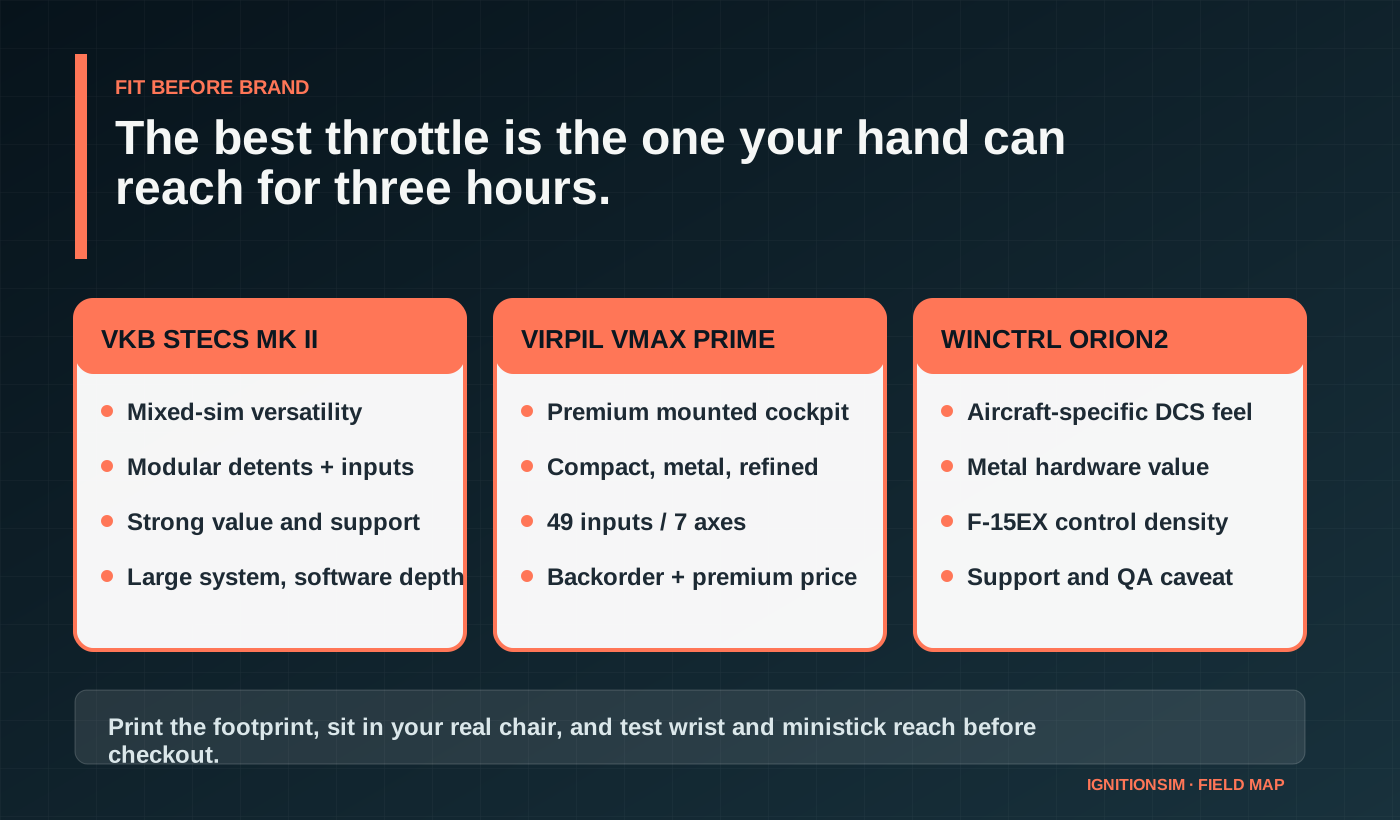
Verdict first: buy VKB STECS Mk II Standard for the broadest capability with the least regret; buy Virpil VMAX Prime for a premium mounted cockpit where compact control density and finish matter; buy WINCTRL Orion2 F-15EX when an aircraft-specific DCS layout is worth accepting more support and software caveats. Buy none before you print the footprint and test your wrist position.
Premium throttles are unusually easy to buy with your eyes. Metal toggles. backlit buttons. twin levers. hats everywhere. The ownership decision happens lower down: whether the grip is comfortable at idle and full military power, whether the ministick lands under the correct finger, whether the detent matches the aircraft, and whether you can recover the profile after an update.
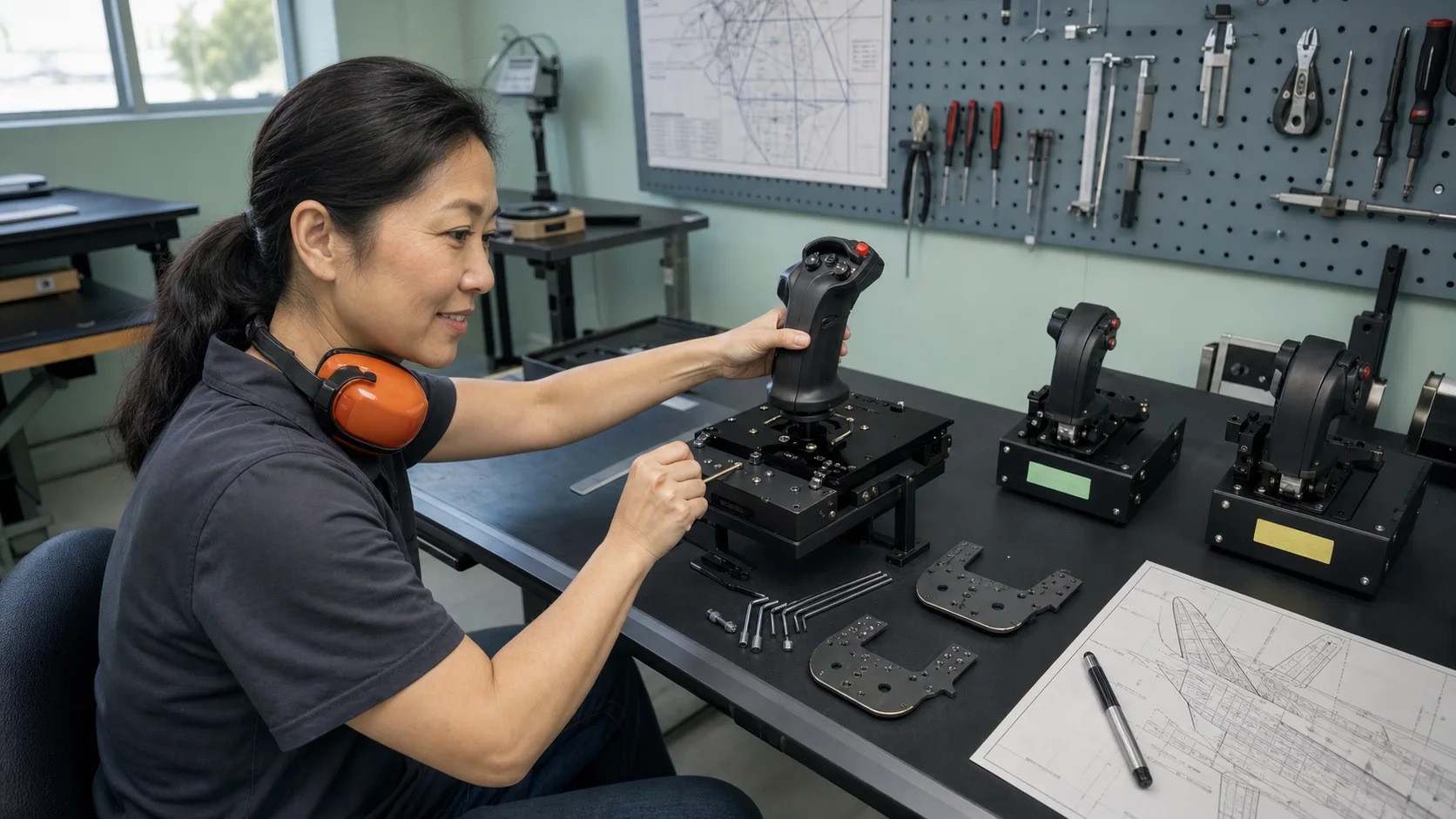
AI-assisted editorial scene, not product proof. Val is doing the useful work: setting geometry before binding fifty inputs.
The throttle you admire in a product render can become the throttle you avoid using because the slew control is one knuckle too far away. Ergonomics beats switch count after the second hour.
What does each throttle do best?
Why is VKB STECS the least-regret choice?
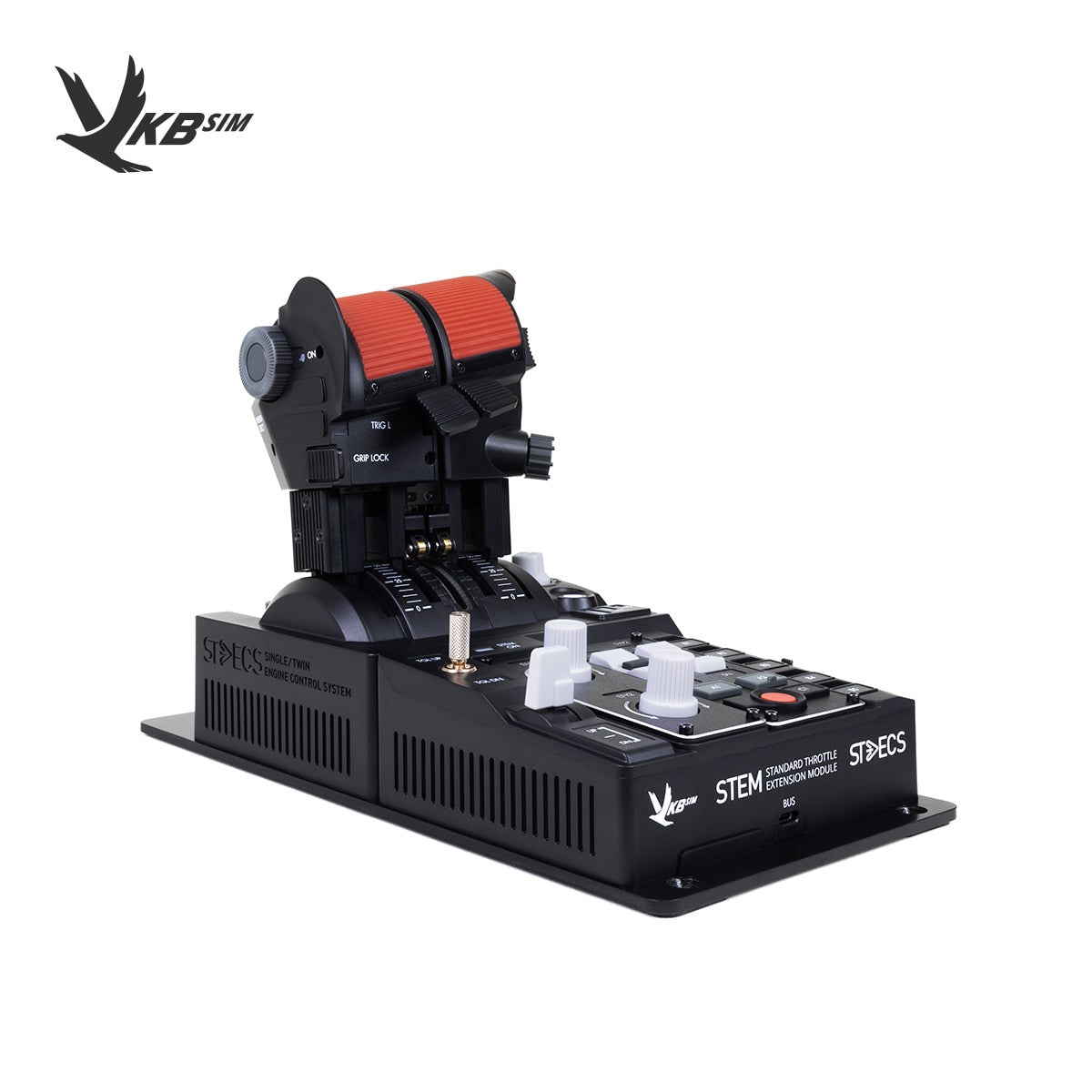
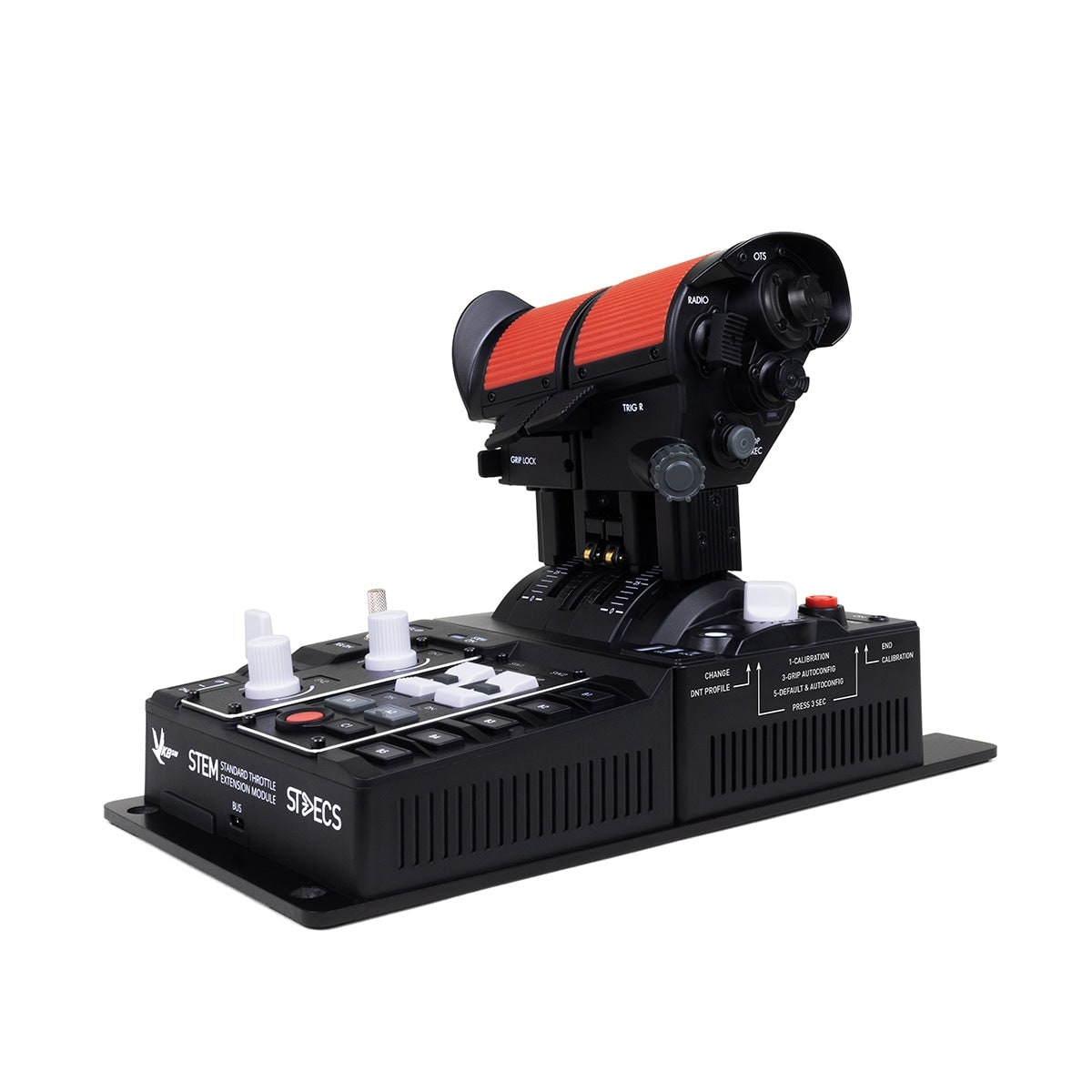
STECS wins when the buyer flies more than one kind of machine. The Mk II Standard bundle combines twin throttle axes, modular detent frames, swappable controls, front-panel inputs, and VKB’s deep configuration software. It is unusually good at becoming a different throttle instead of forcing every aircraft into one physical story.
The clever part is the detent ecosystem. You can build idle/cutoff and afterburner behavior for military jets, a center detent for spaceflight, or a relatively clean civil profile. The less glamorous advantage is support culture: the VKB community has years of configuration notes, diagrams, and owner troubleshooting.
The tradeoff is that modularity creates choices. First-time users can spend too long changing buttons, frames, curves, and modes before flying. The unit also occupies real desk or mount space. A Standard system that looks tidy in a product photo becomes a layered control surface once cables, mounts, and neighboring panels arrive.
Choose STECS if you fly DCS today, Elite or Star Citizen tomorrow, and MSFS on Sunday. It is the throttle least likely to punish that indecision.
Who should buy Virpil VMAX Prime?
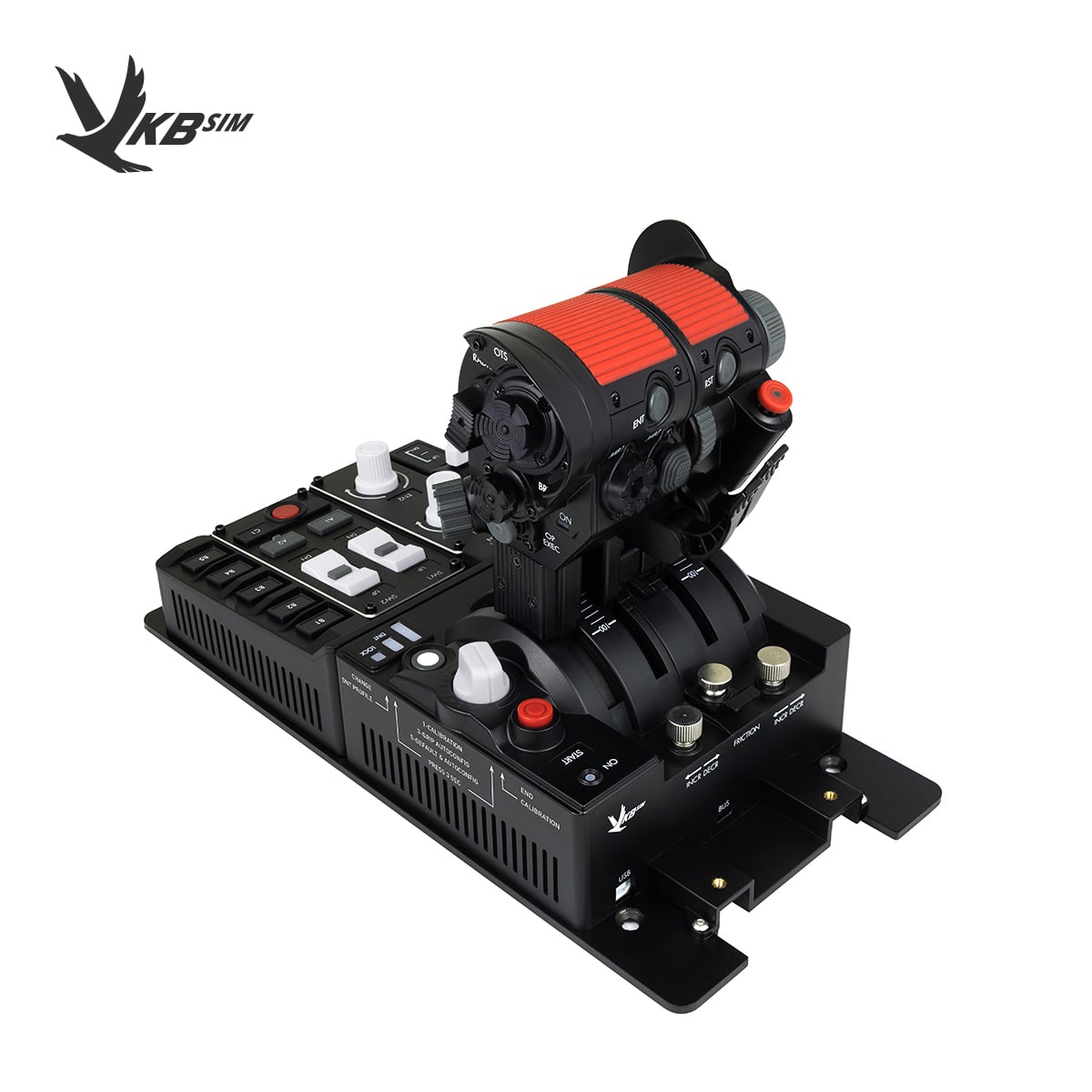
VMAX Prime is for the builder who wants a compact premium throttle and already accepts a mounted cockpit. Virpil lists seven total axes and 49 physical button inputs, with metal handles, rubber grip pads, adjustable tension, swappable input modules, and included Classic Plus, Warthog, Aerobatic, and CosmoSim detent options.
The ergonomic redesign is the buy case. Virpil moved away from simply cramming inputs onto the older shape and emphasizes natural hand position and reduced crowding. The contactless ministick, twin axes, encoders, toggles, and mode dial make it capable across fixed-wing, rotary, and space use.
The caveats are premium-hardware caveats: stock and lead time can vary, a mount may be effectively mandatory, configuration software rewards patience, and the correct grip fit remains personal. Current store material showed backorder status during this review. Do not build a deadline-sensitive cockpit around an optimistic dispatch assumption.
VMAX Prime is the emotional pick that still has an engineering case. It feels like a deliberate cockpit control. Buy it when the physical fit has been tested on paper and the price does not force you to delay rudders or mounts.
When is WINCTRL Orion2 F-15EX the better buy?
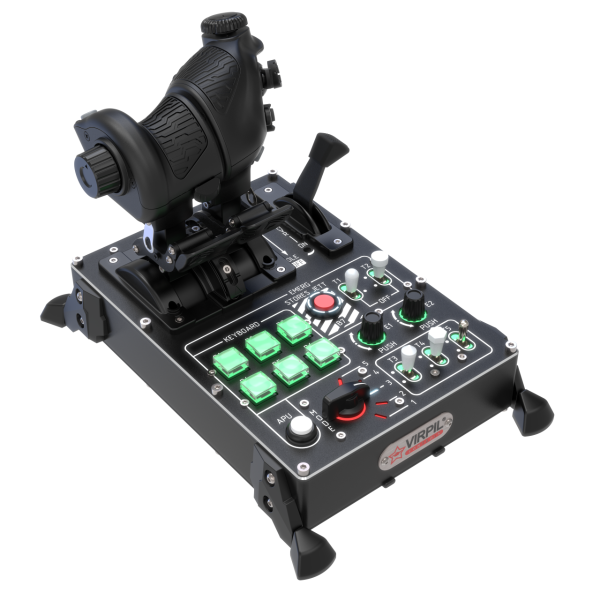
Orion2 is the value winner for a pilot who wants specific combat-aircraft controls, especially for DCS. The metal base and F-15EX-style grip deliver a dense layout at a price that often undercuts boutique European hardware. The appeal is immediate: switches and levers that look like they belong to a combat jet rather than a universal peripheral.
The risk is equally consistent in owner discussions. Happy users praise hardware value and aircraft feel. Unhappy users describe uneven support, shipping, quality-control, or software experiences. That does not make every Orion2 a gamble; it does make the return route and regional storefront part of the product.
SimApp Pro is not optional background. It handles configuration, profiles, and device behavior. Install it before the return window becomes theoretical. Test every axis, detent, switch, backlight, and grip input. Export a known-good profile. Photograph the serial number and packaging before the box leaves the room.
Orion2 is the correct buy when you can say, “I want this F-15EX control language for DCS,” not merely, “It has the most metal for the money.”
Which one fits a desk, mount, and human arm?

If your shoulder lifts at military power, the mount is wrong even when the throttle is excellent.

The fit test takes fifteen minutes and prevents a year of micro-annoyance.
- Print or tape the published footprint onto cardboard.
- Sit in the chair at normal height with shoulder relaxed.
- Place the throttle so the forearm is roughly level and the elbow remains near the torso.
- Mark idle, mid-travel, military power, and full travel.
- Reach every critical hat and ministick without lifting the shoulder or rotating the wrist hard.
- Add the height of the mount plate and clearance beneath the desk.
- Check the cable exit and service loop at both ends of travel.
A desktop throttle often sits too high. This produces shoulder elevation and wrist extension that feels fine for ten minutes and tiring after a mission. A mount also stops the base from moving when you cross a firm detent. The cheapest premium-throttle upgrade is frequently lowering the hardware.
How should detents be commissioned?

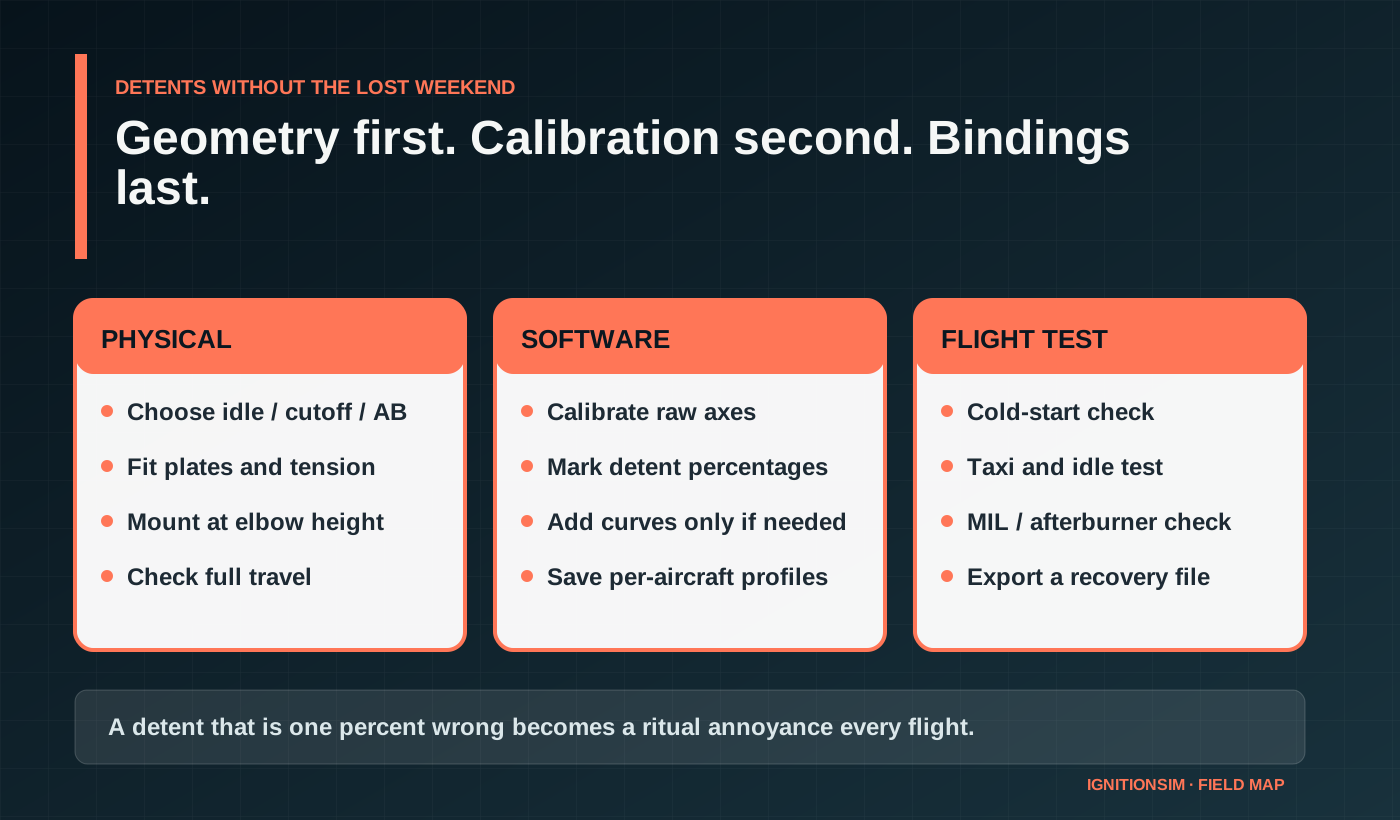
A detent is a physical promise. Calibrate the software range after every mechanical change or the promise becomes a dead zone.

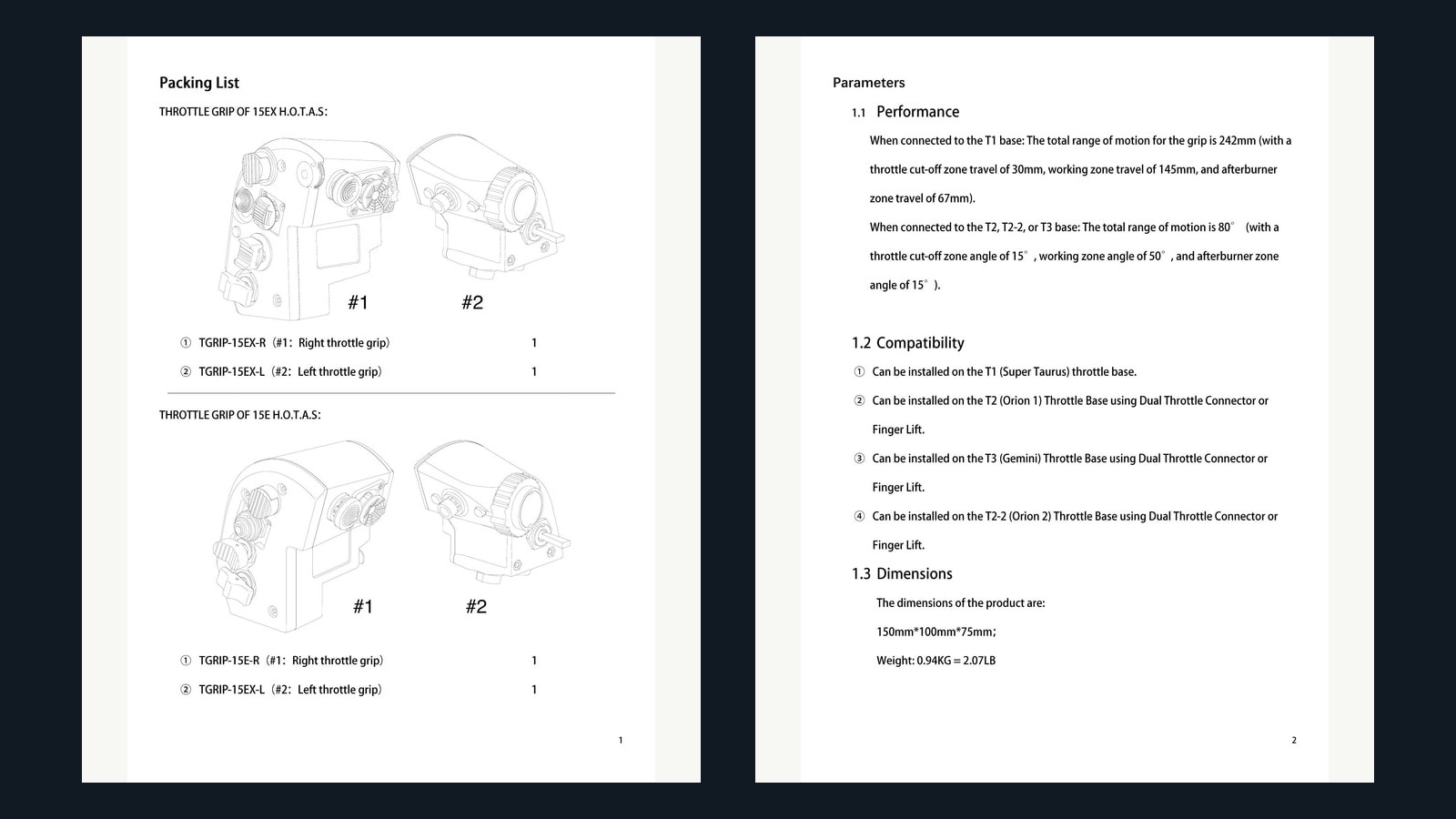
Choose the aircraft behavior before fitting the plastic or metal. Idle cutoff, ground idle, flight idle, military power, afterburner, reverse, and center detent are different jobs. Write the profile’s intended aircraft at the top of the page.
Fit the detent and set lever tension. Calibrate the raw physical axis through its entire travel. Record the percentage where the simulator recognizes each gate. Only then apply curves or saturation. Test a cold start, taxi/idle behavior, full military power, afterburner or reverse, and shutdown.
Do not solve a wrong physical detent with a heroic software curve if moving the plate is the honest fix. Save one profile per aircraft family and name it with the simulator, aircraft, detent set, and date.
What must be ready before the throttle is commissioned?
| Bench item | Why it matters | Failure it prevents |
|---|---|---|
| Correct desk mount or profile plate | Keeps the base still across a firm detent | Sliding hardware and raised shoulder posture |
| Driver/configuration package saved locally | Lets you recover after an update | Rebuilding a known profile from memory |
| Small parts tray and labeled detent bags | Keeps cams, frames, and fasteners with the matching profile | A mystery screw and the wrong gate six months later |
| Direct USB test path | Separates device behavior from hub behavior | Diagnosing the wrong layer |
| Cable service loop through full travel | Prevents the grip or lever from tugging the connector | Intermittent disconnects at maximum power |
| Printed first-aircraft binding sheet | Limits the first session to controls that matter | Forty-nine mapped inputs and no muscle memory |
VIRPIL’s official VMAX package list includes the throttle, cable, modules, fasteners, detent parts, covers, stickers, and manual. VKB and WINCTRL bundles vary by configuration. Open the exact contents tab or manual before paying; “shown in the photo” is not a packing list.
How should one throttle serve DCS, MSFS, and space sims?
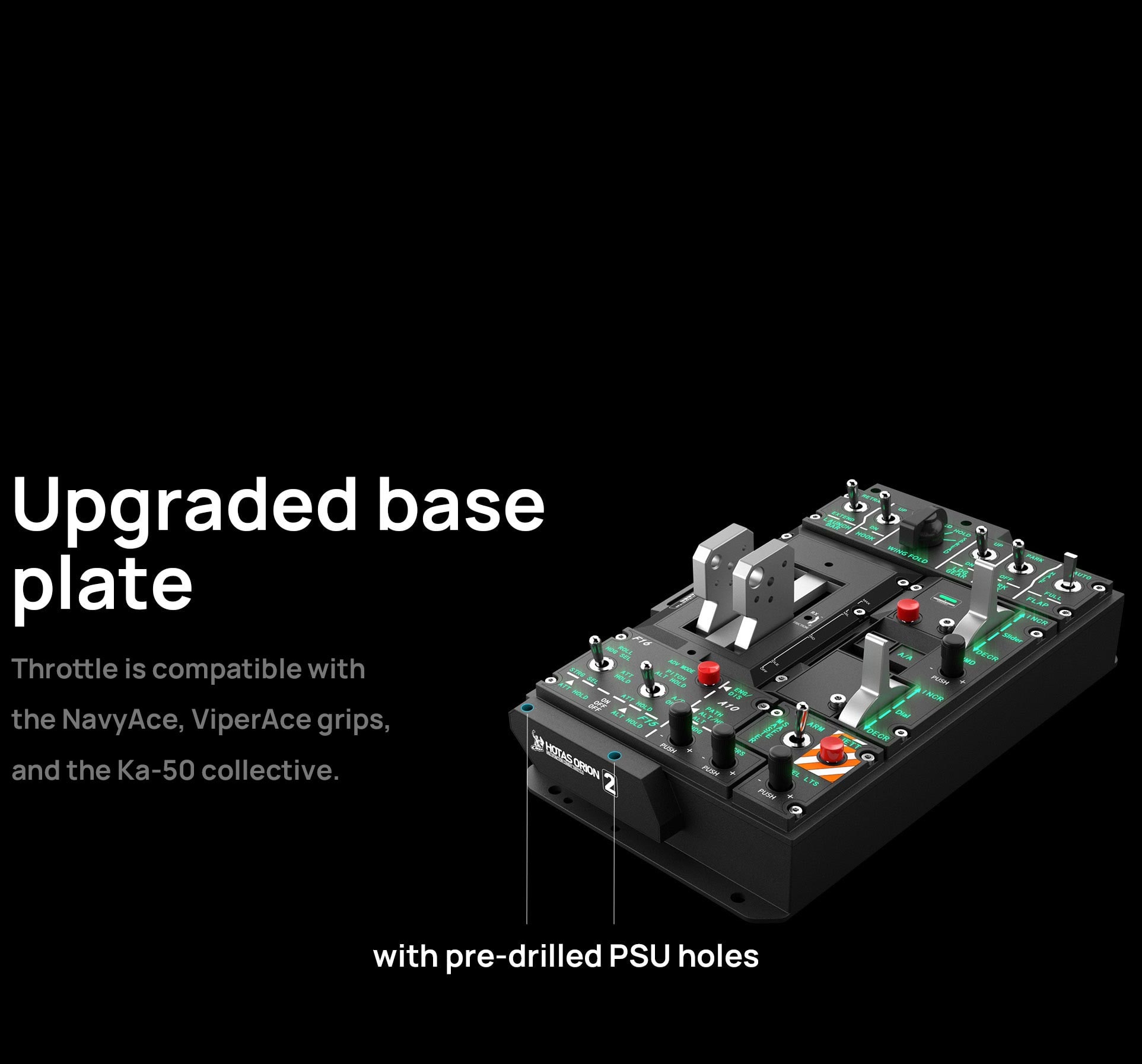
Do not make one universal profile carry three incompatible ideas of power. Build three shallow layers with the same emergency logic.
Combat flight: reserve the physical gates for cutoff, idle, military power, and afterburner where the aircraft supports them. Keep speed brake, boat switch or sensor control, countermeasures, and a modifier under fingers that can reach them without releasing the grip. Map the controls your aircraft actually exposes, not every label printed on a generic diagram.
Civil flight: remove or bypass an afterburner gate that has no meaning. Split levers for twin-engine work when appropriate. Give reverse, propeller, mixture, condition, or speed-brake logic a deliberate home. A premium combat throttle can fly airliners and turboprops, but the physical story should stop shouting “fighter” at every movement.
Spaceflight: a center or soft detent can separate forward and reverse thrust, while a ministick or auxiliary axis handles translation. Keep boost, speed limiter, cruise, landing mode, and countermeasures consistent. Space sims have enough controls to make a five-layer profile technically possible and practically forgotten; visible labels or a companion deck are better than modifier archaeology.
Use the same red-line actions in every profile: pause or escape, view reset, push-to-talk, and whatever control safely returns the simulator to a neutral state. Consistency at the edges makes variety in the middle usable.
Installing all three vendor suites, changing USB ports, fitting new detents, updating firmware, and binding a full aircraft in one night destroys your ability to diagnose anything. Change one layer, fly, save, then continue.
What do owners love?
STECS owners repeatedly value adaptability, detent options, and the fact that controls can be rearranged around actual use. Virpil owners value the dense premium feel, compact shape, and a grip that feels purpose-designed. Orion2 owners value aircraft-specific hardware and the amount of metal, switching, and axis control they receive for the money.
Across all three, the biggest upgrade is not immersion language. It is reducing keyboard reach. Engine starts, radar work, sensors, countermeasures, speed brakes, flaps, and mode changes become physical habits. That makes a complex simulator calmer.
What causes regret?
The current owner split is sharper than a feature table suggests. STECS keeps winning multi-airframe recommendations because the button modules, front-mounted ministick, software depth, and changeable detents solve practical reuse. VMAX attracts buyers who prioritize metal finish and premium feel, but several experienced owners question its grip ergonomics. Orion2 earns fierce loyalty for aircraft-specific control density and metal tactility, while support history and software are the recurring caveats. This is not quality versus quality; it is adaptable system versus premium object versus replica identity.

Commission from idle to stop with the cable connected and the chair occupied. The last ten percent of travel finds every lazy mount.
The first regret is buying before mounting. The second is discovering the ministick or hats do not suit the buyer’s hand. The third is assuming one detent profile will feel correct in every aircraft. The fourth is support friction after a damaged shipment or failed input.
Another common mistake is mapping every switch immediately. A throttle with 49 inputs does not require 49 decisions on night one. Start with engine, power, flaps/speed brake, trim if appropriate, sensors, and the controls that currently force the hand onto the keyboard. Add layers after muscle memory exists.
What should you buy now?
| Pilot | Recommendation | Why | Official verification route |
|---|---|---|---|
| Mixed DCS, MSFS, Elite, and Star Citizen pilot | VKB STECS Mk II Standard | Best modularity and least ecosystem regret | Read the current STECS Mk II specifications{:target=“_blank” rel=“nofollow noopener”} |
| Premium mounted cockpit builder | Virpil VMAX Prime | Refined compact metal control with excellent density | Verify VMAX Prime contents and dimensions{:target=“_blank” rel=“nofollow noopener”} |
| DCS aircraft-specific value buyer | WINCTRL Orion2 F-15EX | Strong hardware value and recognizable combat layout | Verify the exact Orion2 specification{:target=“_blank” rel=“nofollow noopener”} |
| Unmounted desk pilot | Mount first | Ergonomics and stability unlock the expensive control | Read the flight-control mounting guide |
These premium models are commonly sold direct. We found no exact, consistently verifiable Amazon listing for these configurations, so the links above are documentation routes and no retail CTA is shown.
Bench easter egg: the fifteen-minute cardboard throttle
Cut the footprint from a cereal box. Tape a marker upright where the grip will be. Move it through the full arc while flying one mission with your current throttle. Where the marker hits your wrist or monitor stand is where the expensive version will annoy you too.
Sources and research shelf
- VKB STECS Mk II Standard official product page
- VKB STECS Standard mechanical drawing
- Long-term STECS review and ownership notes
- Virpil VMAX Prime official product page
- Virpil user manuals and support portal
- Virpil custom detent documentation and files
- WINCTRL Orion2 official product overview
- WINCTRL SimApp Pro manual
- WINCTRL Orion2 F-15EX throttle user manual
- Current HOTAS community comparison: STECS vs VMAX
- Current community comparison: STECS vs Orion2
- Long-term upgrade discussion: WinWing vs Virpil vs VKB
- Current owner discussion: VKB vs Virpil
- Current installed-control discussion and owner setup notes
Bottom line
STECS is the rational winner, VMAX Prime is the premium ergonomic winner, and Orion2 is the aircraft-specific value winner with the largest support caveat. The right throttle is not the one with the most controls. It is the one whose controls remain reachable, memorable, recoverable, and useful after the screenshots stop being exciting.
Key takeaways & quick answers
IgnitionSim is reader-supported. When you buy through links on our site we may earn an affiliate commission at no extra cost to you — it never changes our verdict or your price. As an Amazon Associate we earn from qualifying purchases.
Keep reading
Best HOTAS for MSFS 2024 in 2026: Stick-and-Throttle Picks by Budget and Aircraft
A yoke isn't the only way to fly MSFS 2024. Here's the honest 2026 HOTAS ladder — from a $100 plug-and-play stick to a $1,000-plus modular base — matched to what you actually fly, and which ones bind without a fight.
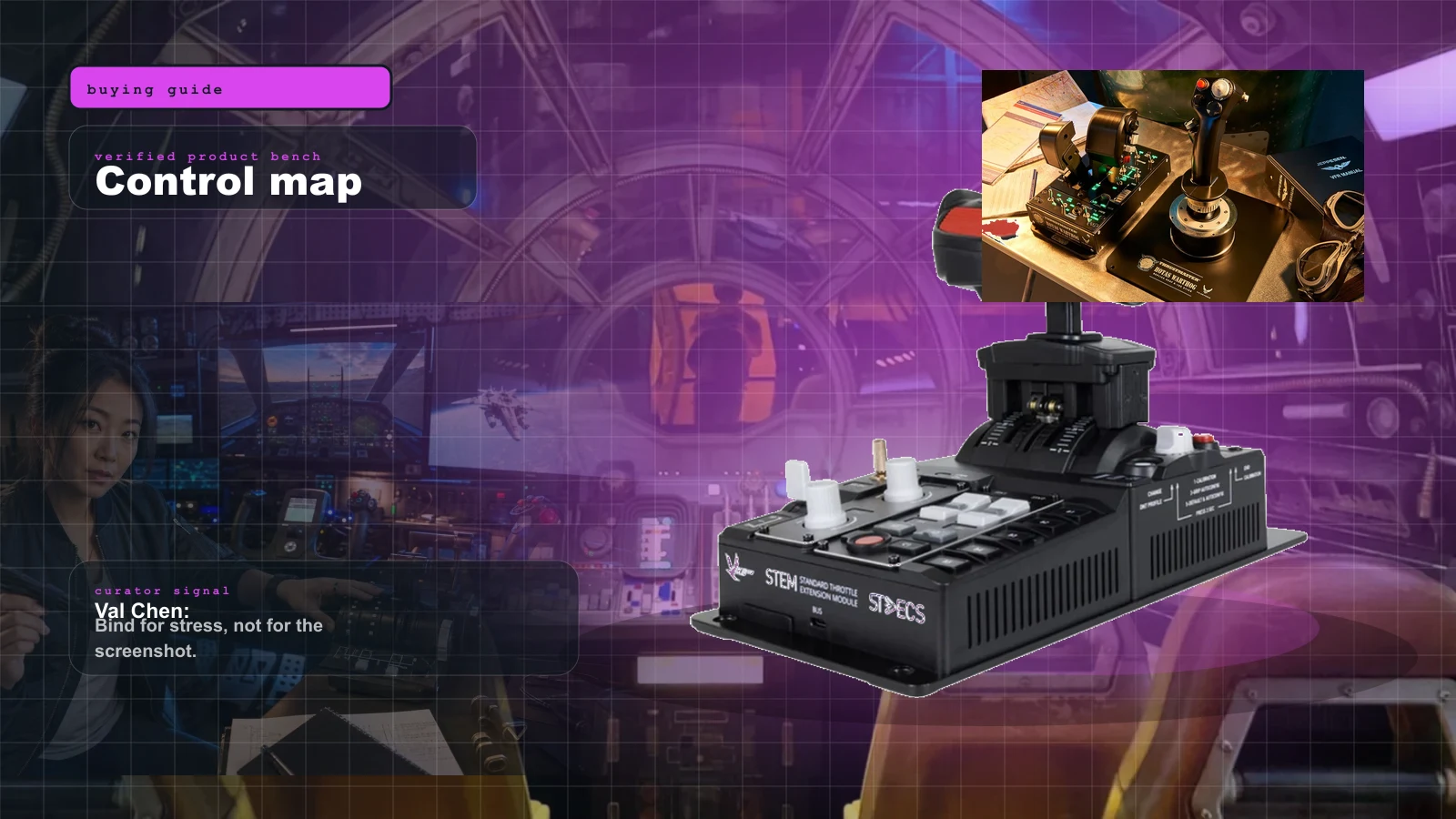
Best HOTAS Throttle for DCS World in 2026: Warthog, Virpil, VKB STECS, and WinWing Compared
DCS rewards the throttle more than any space sim does. Detents, afterburner gates, and dual levers are the whole game — here is what a real DCS throttle buys you across the budget, mid, and flagship tiers in 2026.
FlightSimBuilder G1000 vs RealSimGear G1000 vs MOZA MGX1000: Best Glass Cockpit Hardware in 2026
The new $449 MOZA panel is exciting, but G1000 hardware lives or dies by aircraft matching, screen routing, connector software, and whether you are buying one display or a complete trainer.
MOZA AY210 vs Brunner CLS-E MK II vs FliteSim CLS-60: Which Force-Feedback Yoke Is Worth It in 2026?
Force feedback finally makes trim feel like trim, but the best yoke is not the one with the loudest force number. Val maps the mounting, software, aircraft support, and ownership tax.